русский
 Español
 عربى
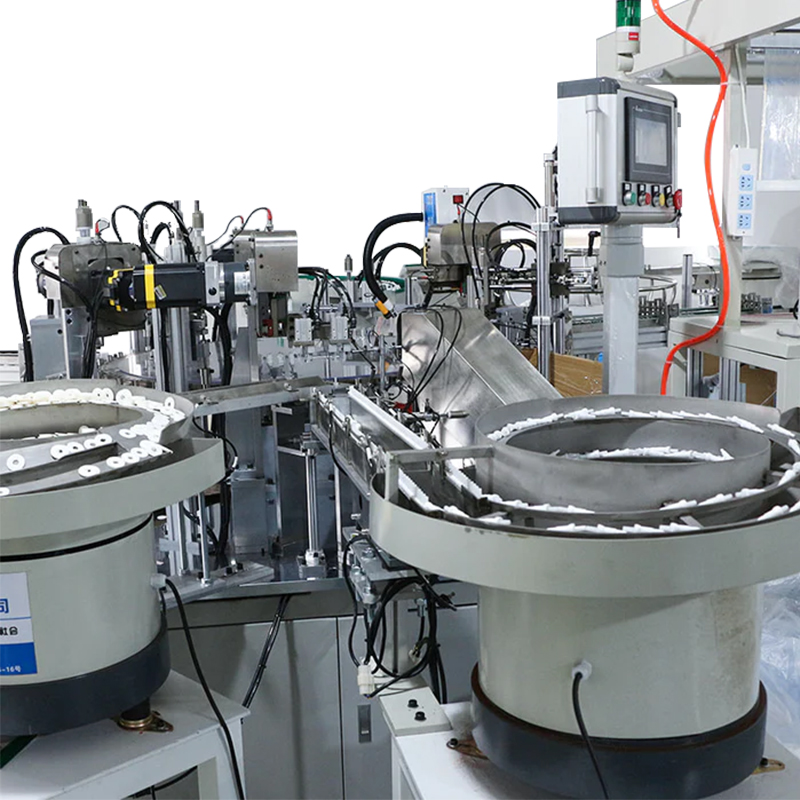
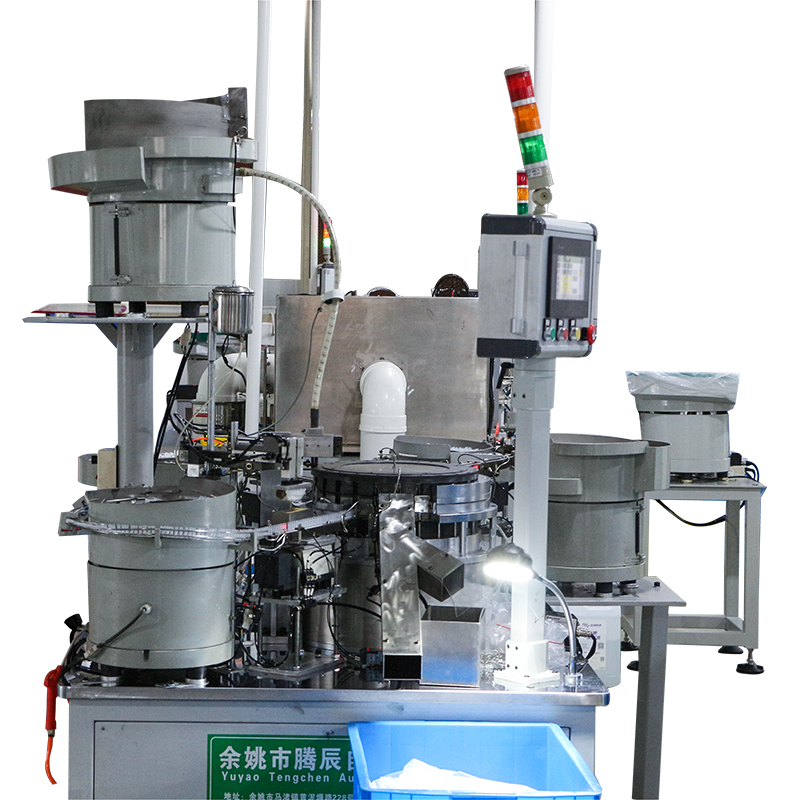
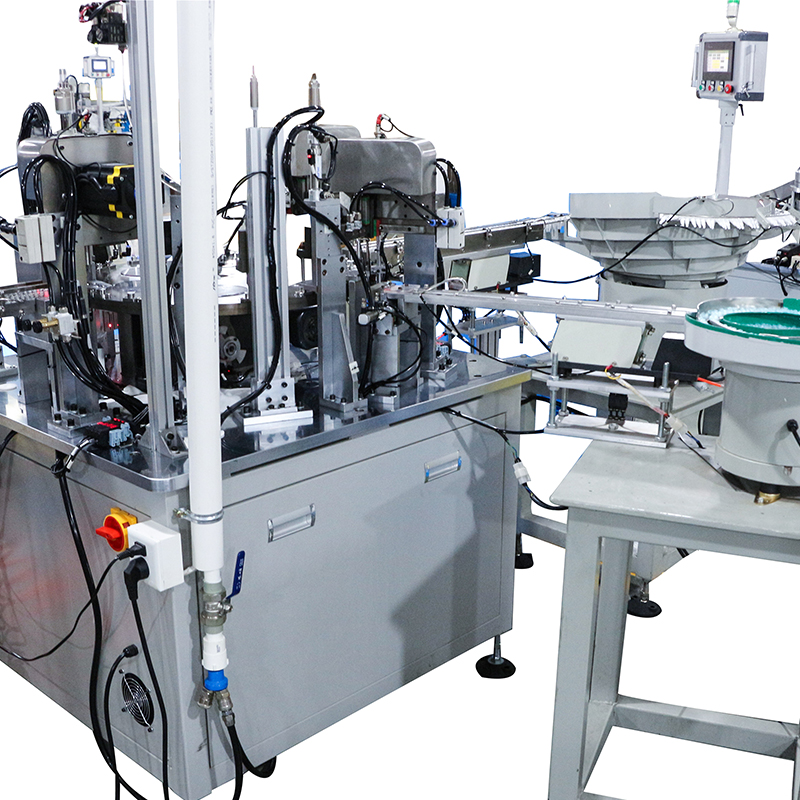
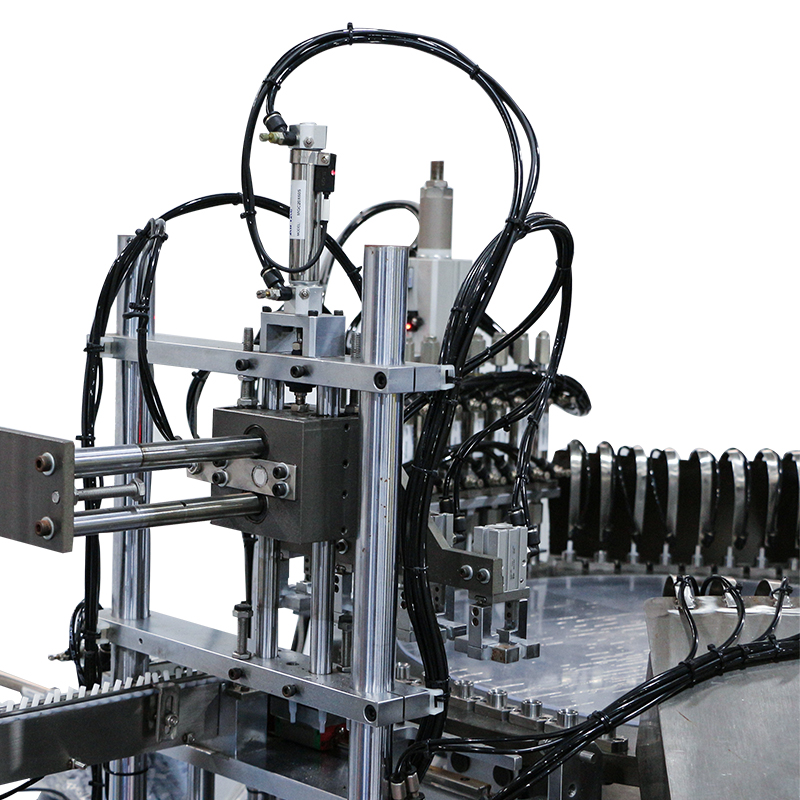
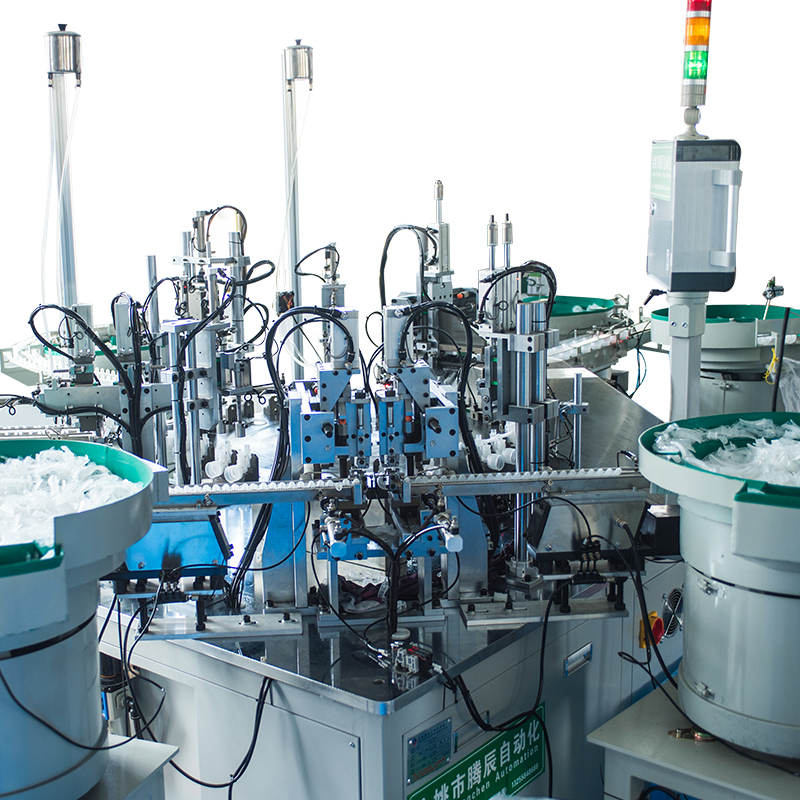
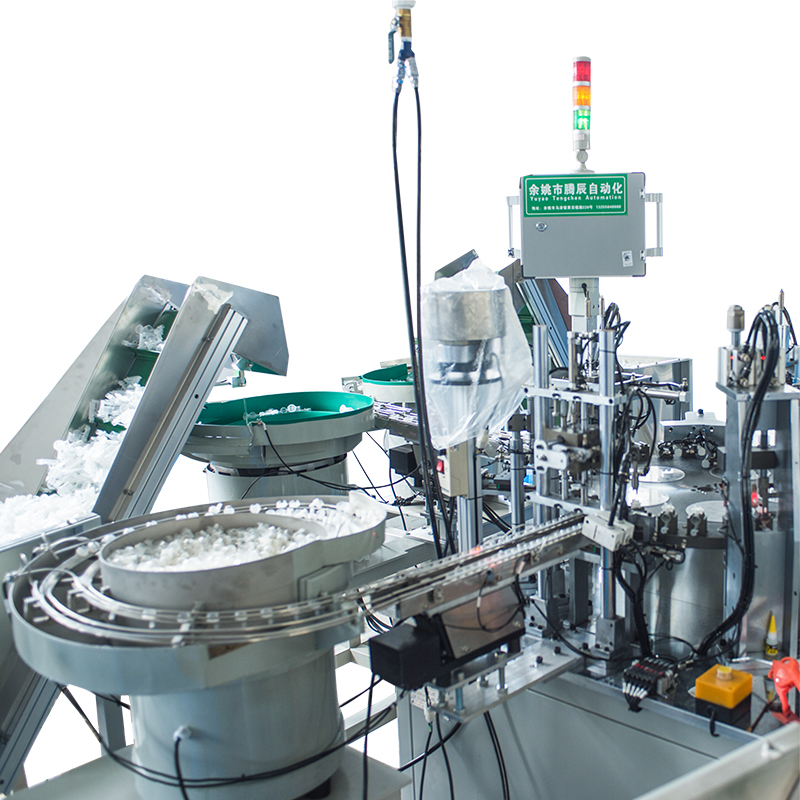
Deploying Automated Assembly Equipment for a new product involves a moderate-to-high level of programming complexity — but the actual difficulty depends heavily on the machine architecture, software platform, and product variability. In most industrial environments, initial programming for a new product line takes anywhere from 20 to over 200 hours, depending on the number of assembly steps, sensor integrations, and motion paths required. Understanding this complexity upfront helps manufacturers plan realistic deployment timelines and allocate the right engineering resources.
What Drives Programming Complexity in Automated Assembly Equipment
Programming complexity is not a single variable — it is shaped by several interacting factors. The more of these factors present in a given deployment, the steeper the development curve.
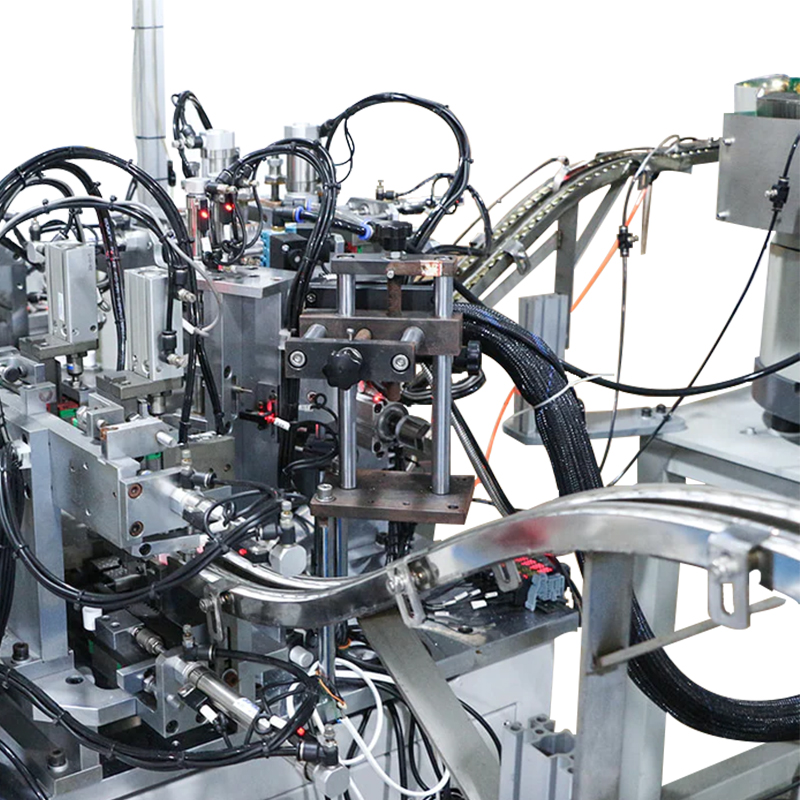
- Number of assembly stations: Each station typically requires its own motion sequence, I/O logic, and fault-handling routines. A 10-station line may require 3–5× the programming time of a 3-station system.
- Component geometry and tolerance: Irregular or flexible parts increase the number of conditional logic branches needed in the control program.
- Vision system integration: Machine vision adds object recognition routines, calibration sequences, and pass/fail decision trees that can account for 20–40% of total programming effort.
- Communication protocols: Linking the Automated Assembly Equipment to MES, SCADA, or ERP systems via OPC-UA, PROFINET, or MQTT requires additional middleware configuration.
- Safety logic: ISO 10218 and ISO/TS 15066-compliant safety zones, light curtains, and emergency stop sequences must be programmed and validated separately from production logic.
Programming Time Benchmarks by Equipment Type
Different categories of Automated Assembly Equipment have significantly different baseline programming requirements. The table below provides realistic time estimates based on typical industrial deployments.
| Equipment Type | Typical Programming Time (New Product) | Skill Level Required | Changeover Reprogramming Time |
|---|---|---|---|
| Simple Pick-and-Place Unit | 20–40 hours | Technician (PLC basics) | 2–6 hours |
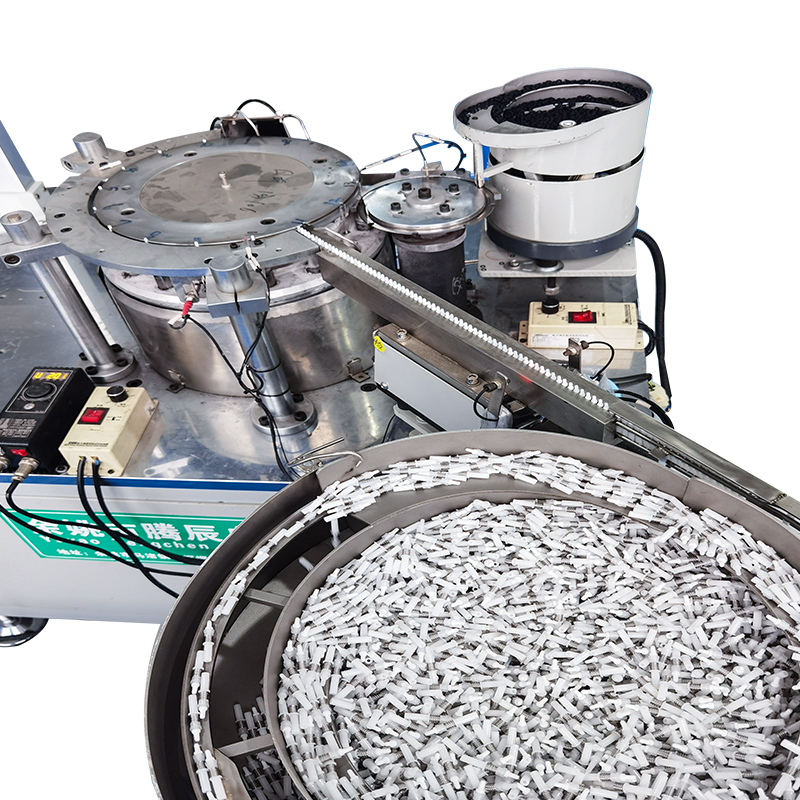
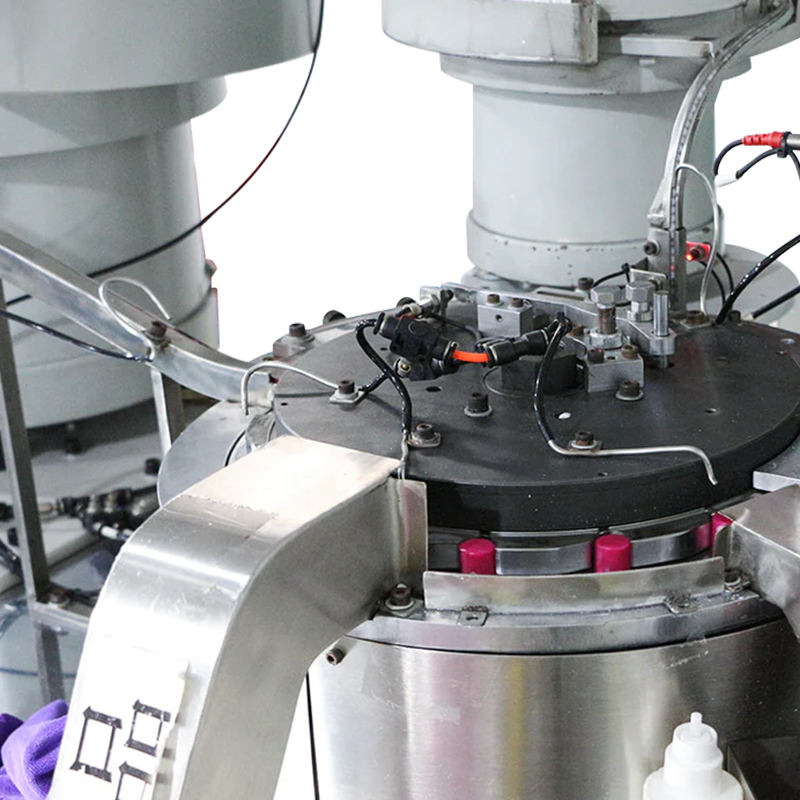
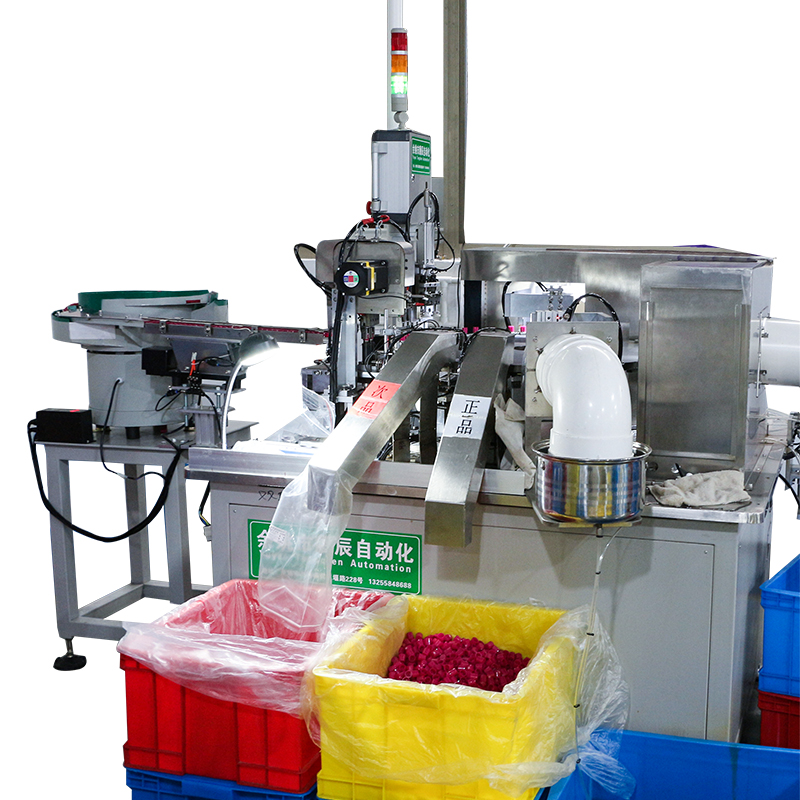
| Bottle Automatic Assembly Machine | 40–80 hours | Engineer (PLC + HMI) | 4–12 hours |
| Multi-Station Rotary Index Line | 80–150 hours | Senior Engineer | 8–24 hours |
| Collaborative Robot (Cobot) Cell | 30–80 hours | Technician (graphical teach) | 2–8 hours |
| Vision-Guided 6-Axis Robot Line | 120–200+ hours | Robotics Engineer + Vision Specialist | 16–40 hours |
PLC-Based vs. PC-Based Control: A Programming Complexity Comparison
The choice of control architecture fundamentally affects how complex programming becomes for new product deployments. PLC-based Automated Assembly Equipment typically uses ladder logic or structured text (IEC 61131-3), which is well-understood across the industry but can become cumbersome for highly conditional or data-intensive tasks. PC-based control platforms offer greater flexibility through high-level languages (Python, C++), but require more specialized software engineering skills.
PLC-Based Control Characteristics
- Standardized programming environment familiar to most automation engineers
- Suitable for deterministic, cycle-based assembly tasks with fixed sequences
- Limited flexibility for AI-driven decisions or dynamic routing logic
- Product changeover typically involves loading a saved recipe file — lower reprogramming effort
PC-Based Control Characteristics
- Higher initial programming investment, but more scalable for complex assembly logic
- Better suited for vision-guided Automated Assembly Equipment and adaptive motion control
- Requires dedicated software developers, not just technicians, increasing labor cost
- Greater capability for MES integration and real-time data analytics
For a Bottle Automatic Assembly Machine in a high-volume consumer goods environment, PLC-based control with recipe management is typically the more practical choice, offering faster changeover at the cost of adaptability.
The Role of Modular Software Architectures in Reducing Complexity
Modern Automated Assembly Equipment increasingly relies on modular software frameworks that allow engineers to build new product programs by assembling pre-validated function blocks rather than writing code from scratch. This approach can reduce new-product programming time by 30–60% compared to monolithic code architectures.
Key benefits of modular programming in assembly automation include:
- Reusable motion profiles: Standard pick-and-place, screw-driving, and press-fit modules can be called with product-specific parameters rather than reprogrammed entirely.
- Recipe-based product management: A centralized HMI stores product recipes that automatically configure machine parameters — ideal for lines running multiple SKUs.
- Digital twin simulation: Engineers can validate new product programs in a virtual environment before live commissioning, cutting on-machine debugging time by up to 40%.
On-Site Engineers vs. Vendor Support: What Do You Actually Need?
A common question when deploying Automated Assembly Equipment is whether the manufacturing team can handle programming internally or whether vendor engineers must be on-site. The answer depends on equipment complexity and available in-house expertise.
For straightforward systems — such as a single-station Automatic Assembly Machine running one primary product — a trained in-house technician with PLC experience can typically manage product changeover programming after an initial training period of 3–5 days. However, for complex multi-axis systems with integrated vision inspection, most manufacturers rely on vendor support for the first 1–3 new product deployments before building sufficient internal competency.
Industry data suggests that over 60% of manufacturers using advanced Automated Assembly Equipment retain at least one dedicated automation engineer on staff to manage ongoing programming tasks, reducing dependency on costly vendor call-outs that can run $1,500–$3,000 per day.
Programming Complexity for High-Mix, Low-Volume Environments
The most demanding programming scenarios arise in high-mix, low-volume (HMLV) production, where the Automated Assembly Equipment must be reconfigured for dozens of different products throughout a single shift. In these environments, the programming burden shifts from one-time setup to continuous management of a growing product library.
Key strategies for managing programming complexity in HMLV settings include:
- Parameterized templates: Create master programs with adjustable parameters for dimensions, torque values, and cycle speeds, rather than separate programs per product.
- Graphical teach pendant interfaces: Cobot-class Automated Assembly Equipment with drag-and-drop or hand-guided teaching dramatically lowers the skill barrier for programming new part variants.
- Centralized recipe management: Store all product programs in a networked recipe database accessible from the machine HMI, enabling operators to load a new product in under 5 minutes.
- Offline programming tools: Use CAD-integrated offline programming software to generate motion paths from 3D models, then transfer them to the live machine — reducing physical setup time by 50% or more.
Practical Example: Programming a Bottle Automatic Assembly Machine for a New Cap Format
To illustrate realistic complexity, consider the deployment of a Bottle Automatic Assembly Machine being reconfigured to handle a new flip-top cap design after previously running a standard screw cap. The programming tasks required would typically include:
- Adjusting feeder bowl vibratory parameters and part orientation logic for the new cap geometry (~4 hours)
- Modifying gripper motion path and force profile for the different cap insertion angle (~6 hours)
- Updating vision inspection parameters — region of interest, feature detection thresholds — for the new cap profile (~5 hours)
- Validating torque or snap-fit confirmation sensors and adjusting pass/fail thresholds (~3 hours)
- Full line trial run, fault simulation, and recipe saving (~4 hours)
Total estimated reprogramming time: approximately 22 hours for an experienced engineer — a manageable investment that underscores the value of building internal programming competency rather than relying solely on vendor support for every product change.
Key Takeaways for Procurement and Engineering Teams
When evaluating Automated Assembly Equipment for a new product deployment, programming complexity should be a primary consideration alongside throughput and cost. The following questions should be addressed during vendor selection:
- Does the equipment support recipe-based product management, and how many recipes can be stored?
- What programming environment is used, and does it match your in-house engineering skillset?
- Is offline programming or digital twin simulation supported to reduce live machine commissioning time?
- What is the vendor's standard training package, and how many days are included for new product programming support?
- For a Bottle Automatic Assembly Machine or similar high-throughput system, what is the realistic changeover programming time for a new container or closure format?
Choosing Automated Assembly Equipment with a well-structured software architecture, comprehensive training support, and modular programming tools will consistently deliver lower long-term programming costs and faster time-to-production for each new product introduction.