русский
 Español
 عربى
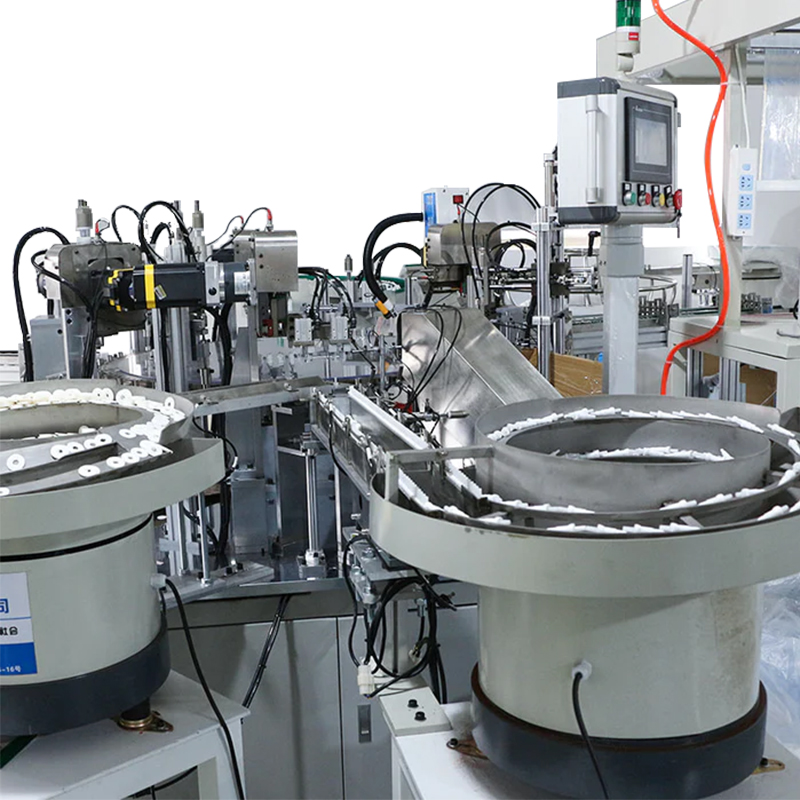
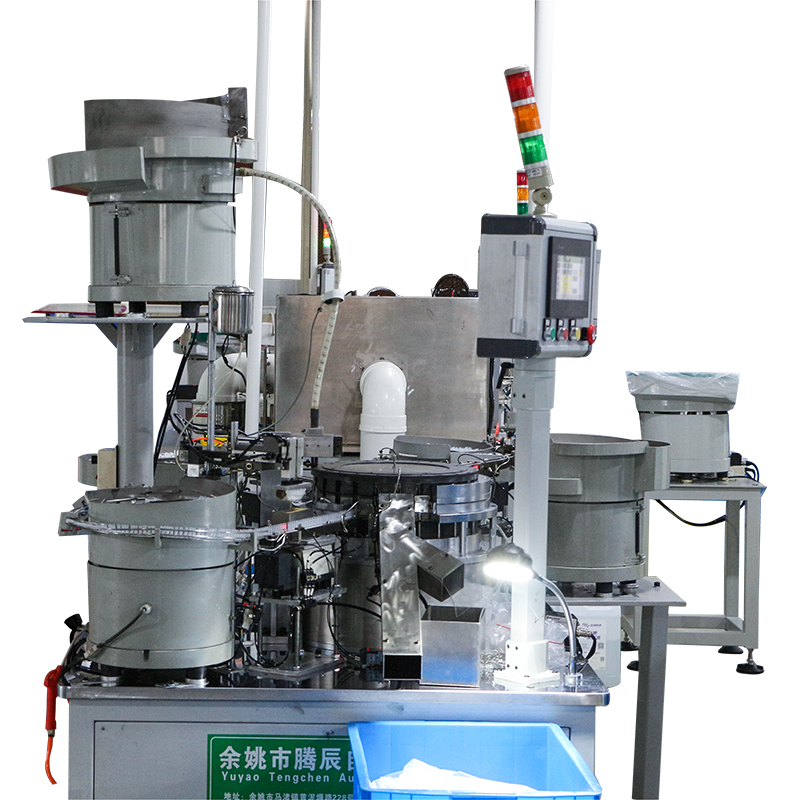
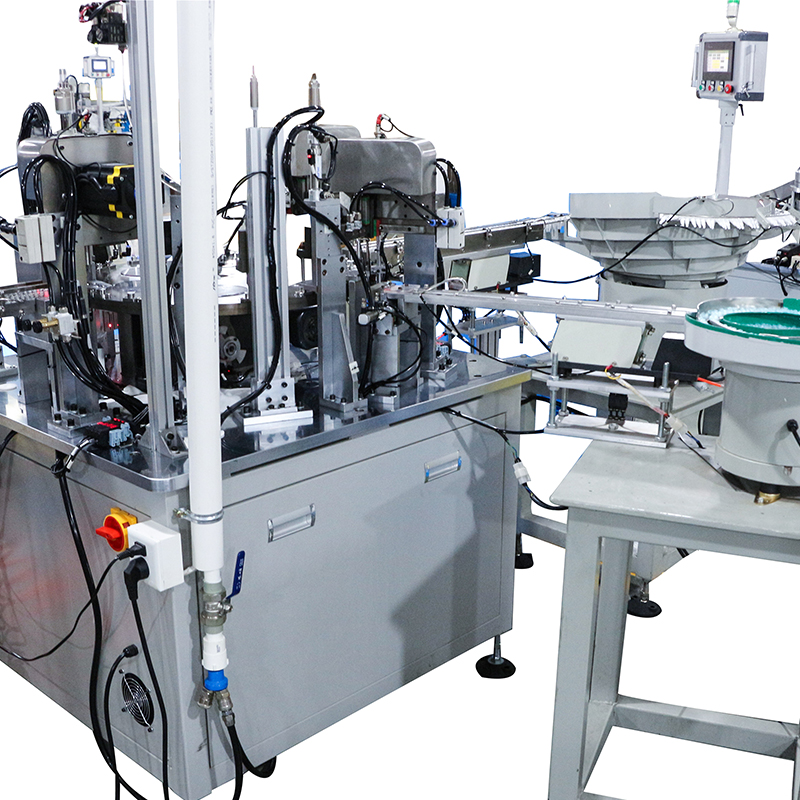
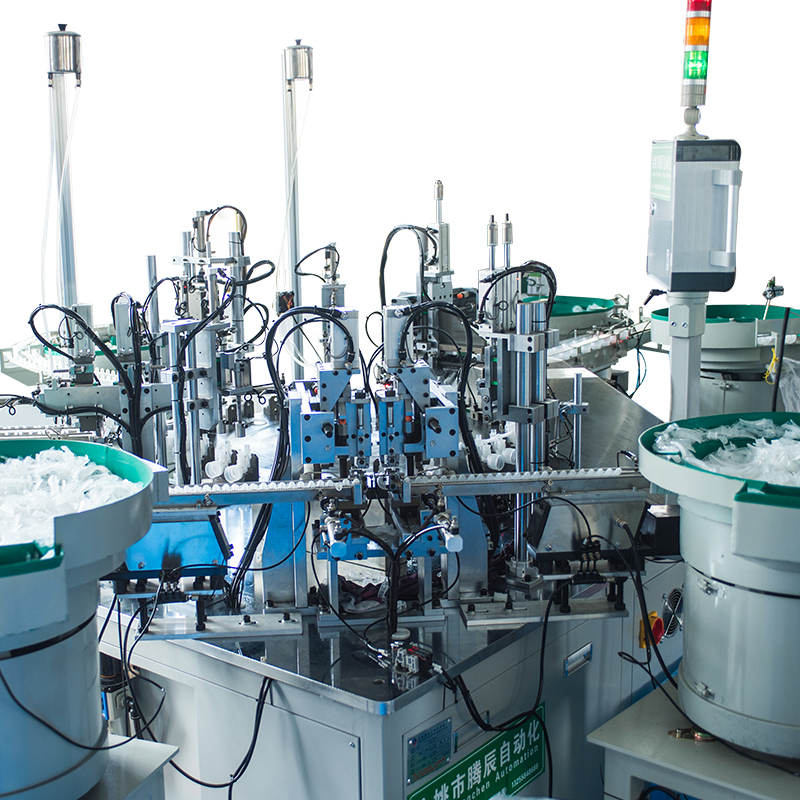
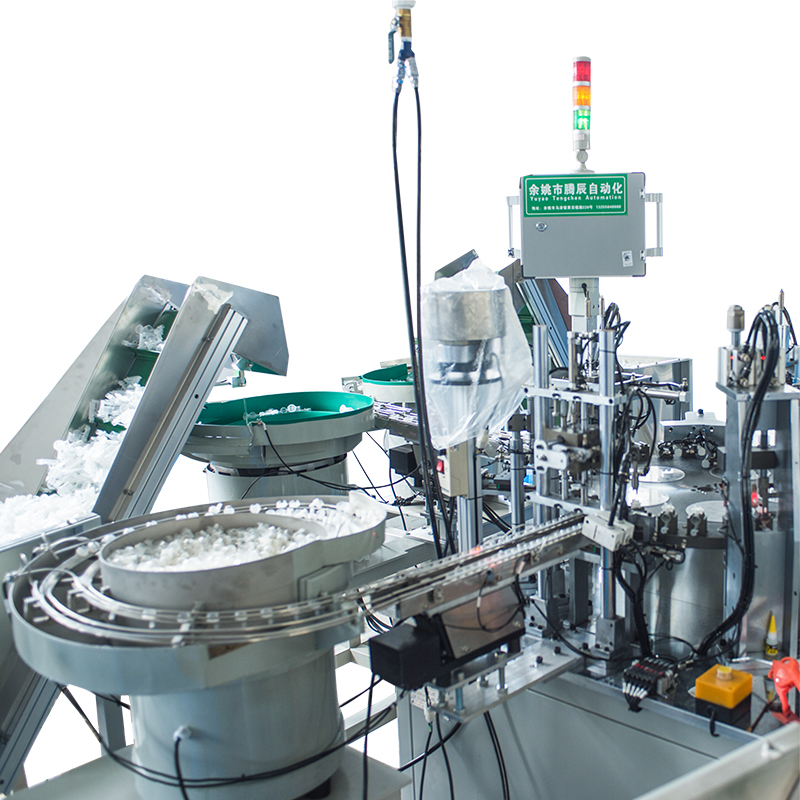
The main downtime factors in automatic assembly machines compared with conventional automated production lines are driven by three dominant categories: system complexity, integration sensitivity, and fault detection speed. In general, automatic assembly machines experience more software- and sensor-related stoppages, while conventional automated production lines suffer more from mechanical wear, conveyor failures, and manual intervention delays.
Industry benchmarks show that modern automated assembly machines typically achieve 85%–95% uptime under stable conditions, while conventional automated production lines range between 80%–92%, depending on maintenance maturity. However, the type of downtime differs significantly, affecting cost, recovery time, and production flexibility.
Mechanical Failures and Wear in Automated Assembly Machines
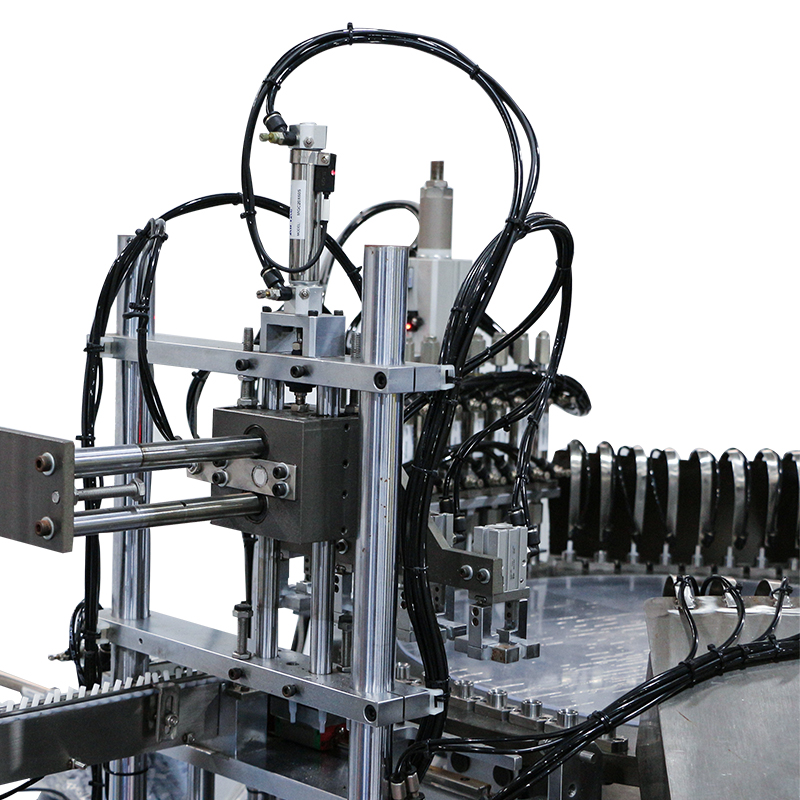
Mechanical issues remain one of the most visible downtime contributors in automatic assembly machines, particularly in high-speed precision environments. Common failures include actuator fatigue, misalignment of robotic arms, and wear in grippers or end-effectors.
- Gripper wear leading to part slippage or incorrect placement
- Servo motor overheating in continuous high-load operations
- Lubrication failure in high-speed joints
Compared to conventional automated production lines, automated assembly machines experience fewer conveyor-related breakdowns but higher precision component degradation due to tighter tolerances. For example, a 0.2 mm misalignment in a robotic placement arm can halt the entire station, whereas conveyor-based systems may continue partial operation.
Control System and Software-Related Downtime
One of the most critical differences in downtime causes lies in control systems. Automatic assembly machines rely heavily on PLCs, industrial IoT sensors, and real-time feedback loops. As a result, software glitches or synchronization errors can immediately stop production.
Typical software-related downtime sources include:
- Sensor misreads or calibration drift
- PLC communication errors between modules
- Firmware incompatibility after updates
In contrast, conventional automated production lines often use simpler logic systems, which reduces software failure frequency but increases manual troubleshooting time. Studies show that software-related downtime in automated assembly machines accounts for 18%–25% of total downtime, compared to 8%–15% in older production lines.
Material Handling and Supply Disruptions
Material flow interruptions are another major downtime source in both systems, but the impact differs. In automatic assembly machines, tightly synchronized operations mean that even a minor delay in component feeding can halt the entire system.
Conventional automated production lines are more tolerant, as buffer zones and conveyors can temporarily store work-in-progress items.
| System Type | Buffer Capacity | Downtime Sensitivity |
|---|---|---|
| Automated Assembly Machines | Low | High |
| Conventional Automated Lines | Medium to High | Medium |
This structural difference explains why automated assembly machines require more precise supply chain synchronization than traditional systems.
Changeover and Production Flexibility Impacts
Changeover downtime is significantly more impactful in automatic assembly machines designed for multi-product environments. When switching product types, recalibration of robotic paths, tooling heads, and vision systems is required.
In conventional automated production lines, changeovers often involve mechanical adjustments and conveyor reconfiguration, which can be slower but more predictable.
On average, changeover time for automated assembly machines ranges from 15 minutes to 2 hours, while conventional systems may require 1 to 4 hours depending on product complexity.
Preventive Maintenance vs Unplanned Downtime
Preventive maintenance plays a crucial role in reducing downtime across both systems. However, automatic assembly machines rely more heavily on predictive analytics and sensor-based monitoring.
Unplanned downtime in these systems often results from:
- Unexpected actuator failures
- Vision system misalignment
- Network communication interruptions
Conventional automated production lines, while less complex, often suffer from delayed detection of mechanical wear, leading to longer unplanned stoppages. In contrast, automated assembly machines can detect anomalies earlier but may shut down faster to prevent damage.
Comparison Table: Automated Assembly Machines vs Conventional Lines
| Factor | Automated Assembly Machines | Conventional Automated Lines |
|---|---|---|
| Primary Downtime Cause | Sensor/software faults | Mechanical/conveyor failures |
| Average Recovery Time | 10–45 minutes | 30–120 minutes |
| Fault Detection | Real-time automated | Periodic/manual checks |
Reducing downtime in automatic assembly machines requires a combination of predictive maintenance, modular system design, and advanced diagnostics. Unlike conventional systems, improvements must focus more on software stability and sensor reliability than purely mechanical robustness.
- Predictive analytics: Use real-time data to forecast failures before they occur
- Modular replacement: Enable quick swapping of faulty robotic modules
- Redundant sensors: Reduce single-point failures in critical operations
- Software validation cycles: Prevent downtime caused by faulty updates
When properly optimized, automated assembly machines can achieve up to 98% operational efficiency in high-volume manufacturing environments, significantly outperforming traditional setups in consistency and fault recovery.