русский
 Español
 عربى
When comparing a Pneumatic Vacuum Testing Machine with a Chamber Vacuum Testing Machine for leak detection procedures, the best choice depends on the testing environment, throughput requirements, and accuracy expectations. Pneumatic Vacuum Testing Machines generally provide faster operation, simpler maintenance, lower operating costs, and better suitability for production-line environments. In contrast, Chamber Vacuum Testing Machines often offer enhanced visual inspection capabilities and are widely used for standardized package integrity testing.
For manufacturers seeking efficient quality control and high-volume testing, a Pneumatic Vacuum Testing Machine is frequently the preferred solution. For applications requiring direct observation of package deformation or bubble generation during testing, a Chamber Vacuum Testing Machine remains a valuable option. Understanding the strengths and limitations of each system helps ensure optimal leak detection performance and product quality assurance.
Understanding the Two Testing Technologies
Both systems are designed to identify leaks in sealed products, packaging, containers, and industrial components. However, they achieve this goal using different operating principles.
Pneumatic Vacuum Testing Machine
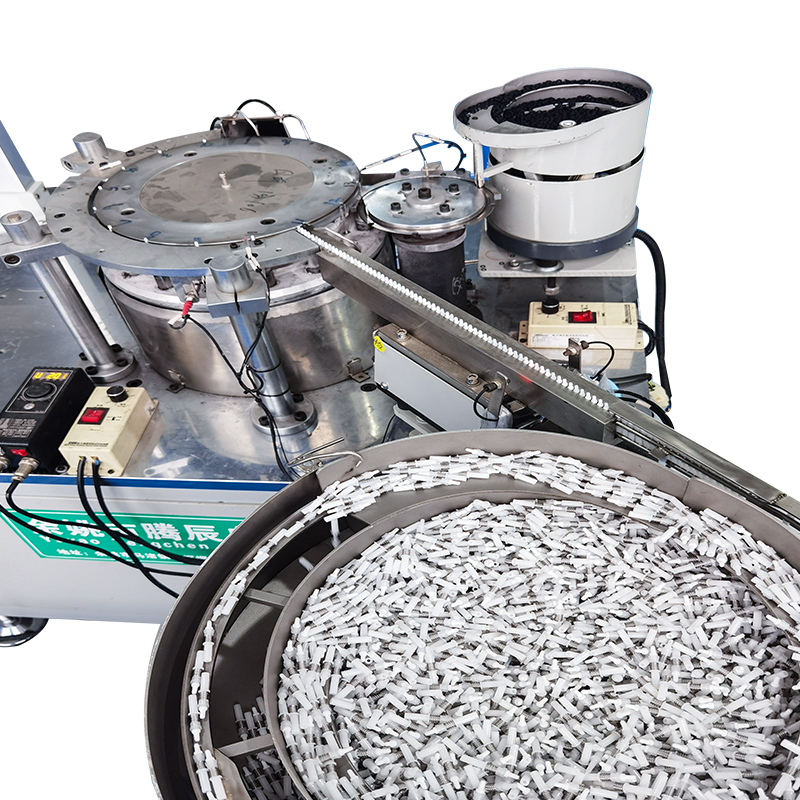
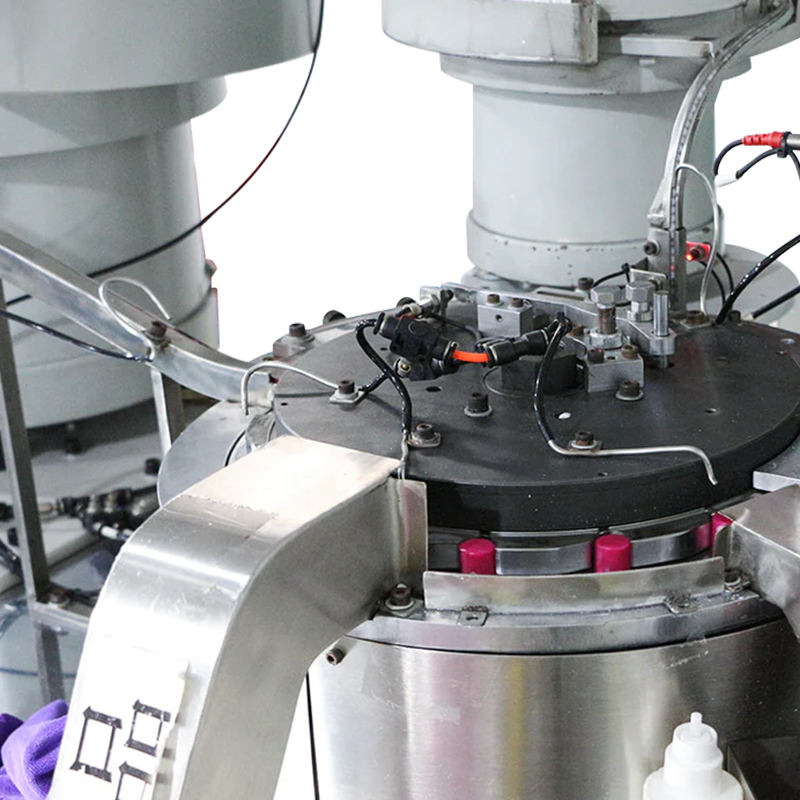
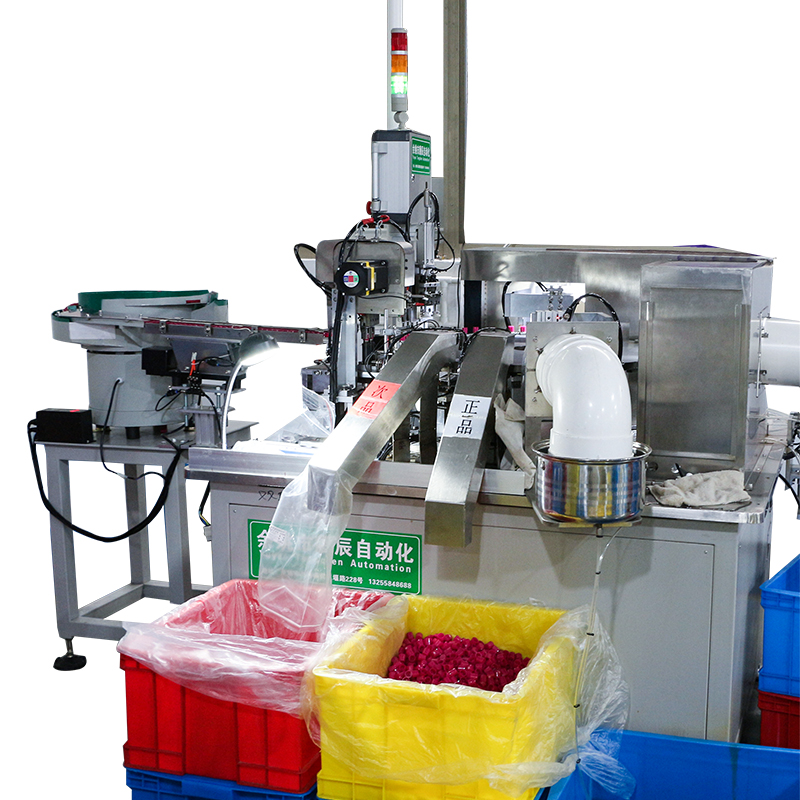
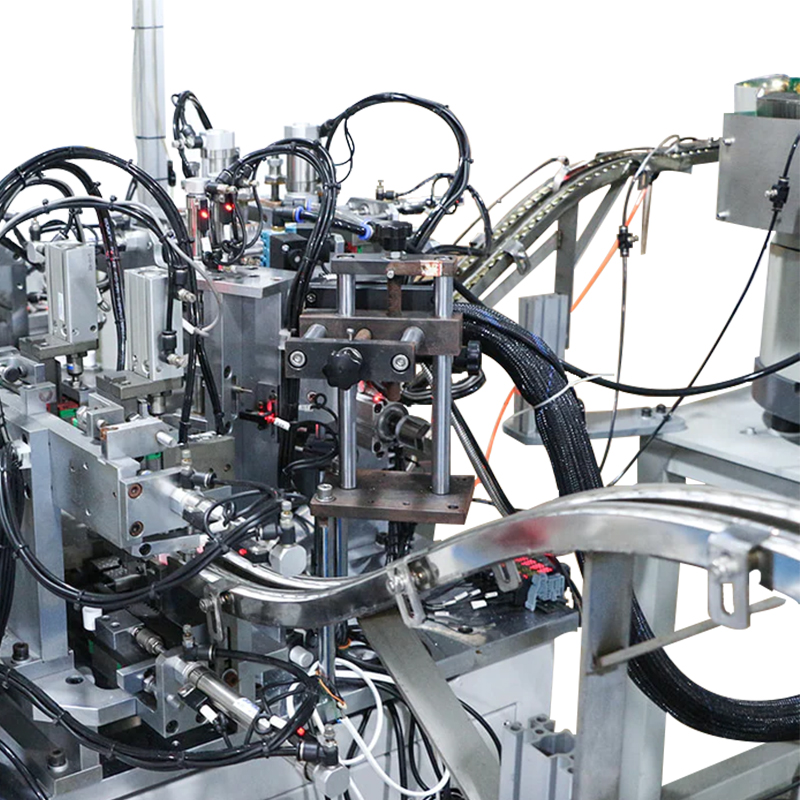
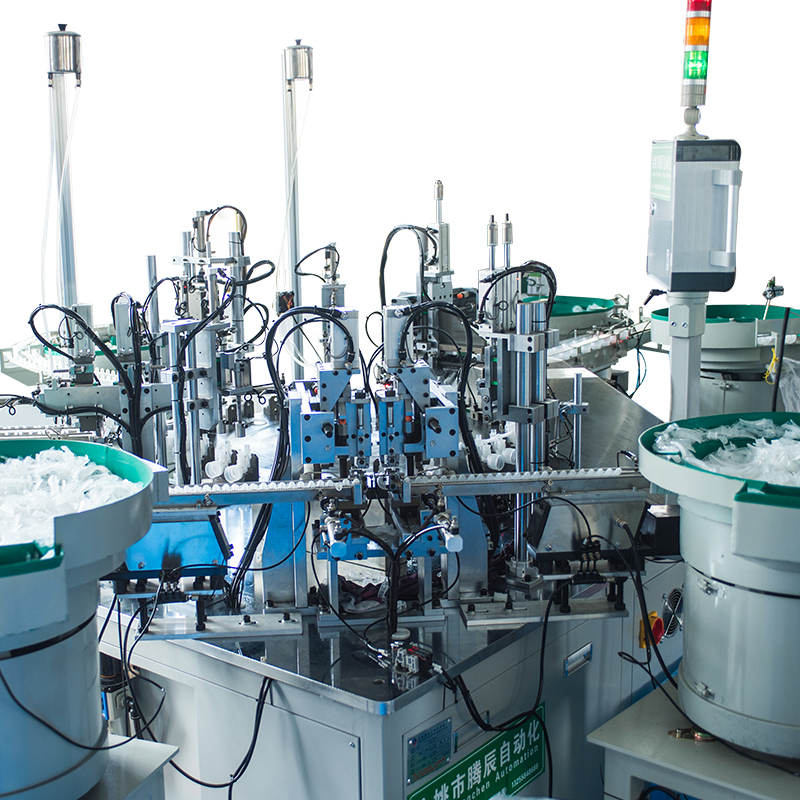
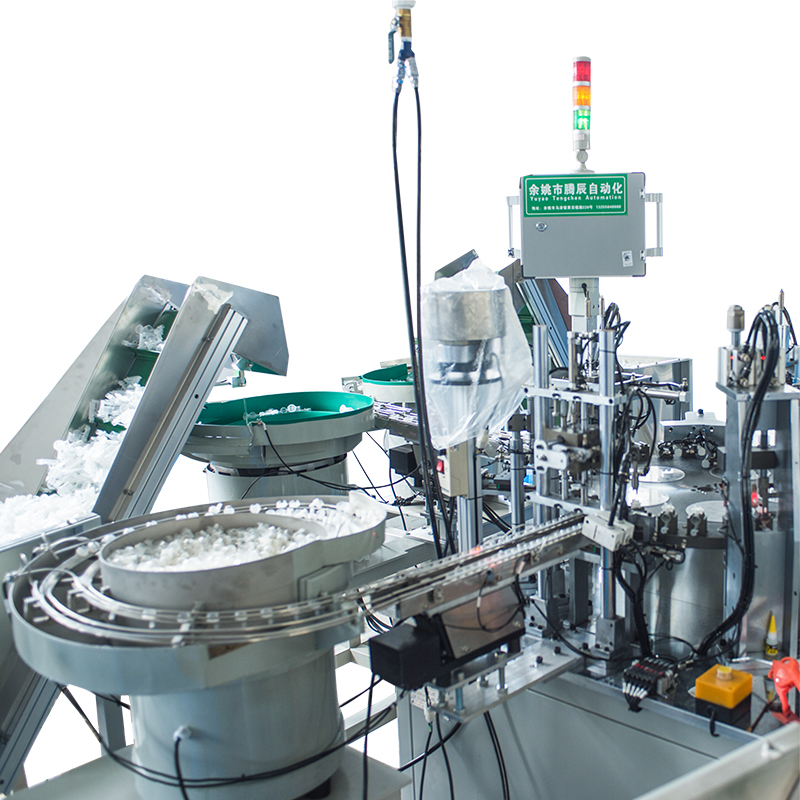
A Pneumatic Vacuum Testing Machine uses compressed air to generate a controlled vacuum environment. The machine monitors pressure changes or vacuum stability to determine whether a leak is present. These systems are commonly integrated into production lines because they can perform tests rapidly and repeatedly with minimal operator intervention.
Chamber Vacuum Testing Machine
A Chamber Vacuum Testing Machine places the test sample inside a sealed chamber where vacuum pressure is applied. Operators often observe package expansion, deformation, or bubble formation to identify leakage points. This method is commonly used as a vacuum leak tester for packaging in food, pharmaceutical, and consumer goods industries.
Performance Comparison
| Factor | Pneumatic Vacuum Testing Machine | Chamber Vacuum Testing Machine |
|---|---|---|
| Testing Speed | High | Moderate |
| Automation Potential | Excellent | Limited to Moderate |
| Visual Leak Detection | Limited | Excellent |
| Maintenance Requirements | Low | Moderate |
| Operating Costs | Lower | Higher |
| Production-Line Integration | Excellent | Limited |
Advantages of a Pneumatic Vacuum Testing Machine
Pneumatic systems have become increasingly popular because they support fast and repeatable testing cycles. In many manufacturing facilities, a single test cycle may be completed within a few seconds, enabling hundreds or even thousands of products to be inspected during a production shift.
- Fast testing cycles improve production efficiency.
- Lower energy consumption compared with larger vacuum chamber systems.
- Easy integration into automated manufacturing lines.
- Reduced operator dependency.
- Consistent and repeatable testing conditions.
Many manufacturers use a pneumatic vacuum leak test machine when quality assurance requires continuous monitoring of product integrity. The ability to automate testing significantly reduces labor costs while improving consistency between batches.
Advantages of a Chamber Vacuum Testing Machine
Chamber systems remain highly valuable in industries where visual verification is important. During testing, operators can observe package expansion or the appearance of air bubbles, making leak identification straightforward.
- Direct visual confirmation of leaks.
- Suitable for a wide range of packaging materials.
- Widely recognized testing methodology.
- Useful for laboratory validation and quality audits.
As a vacuum leak tester for packaging, chamber systems are particularly effective when testing flexible pouches, sealed trays, and other products where visual indicators provide immediate confirmation of seal integrity.
Accuracy and Leak Detection Sensitivity
Accuracy is often one of the most important factors when selecting a leak detection solution. Modern Pneumatic Vacuum Testing Machines use pressure monitoring systems capable of detecting extremely small pressure variations. Depending on system design and test conditions, leaks as small as a few microns may be identified.
Chamber systems can also provide reliable leak detection, particularly when leak paths generate visible bubbles or package deformation. However, their effectiveness may depend on operator observation and environmental conditions. For highly repeatable automated testing, pneumatic systems often provide superior consistency.
Cost Considerations
Total cost of ownership includes equipment purchase, installation, maintenance, labor, and energy consumption. Although actual costs vary by configuration, pneumatic systems frequently offer lower long-term operating expenses due to simplified maintenance requirements and automation capabilities.
Chamber systems may require more manual involvement and periodic maintenance of vacuum chambers, seals, and associated components. Facilities that perform large-scale testing often discover that automated pneumatic equipment delivers faster return on investment through reduced labor and higher throughput.
Applications in Packaging Quality Control
Packaging integrity directly affects product quality, shelf life, and customer satisfaction. Both machine types are used extensively for packaging inspection, but their ideal applications differ.
- Food packaging quality verification.
- Pharmaceutical package seal testing.
- Medical device package validation.
- Consumer goods packaging inspection.
- Industrial component leak detection.
A vacuum leak tester for packaging is often selected according to production volume. Facilities with high output requirements frequently favor pneumatic systems, while laboratories and quality-control departments may prefer chamber-based visual inspection methods.
The ideal choice depends on operational priorities. If the goal is automated, repeatable, and cost-efficient leak detection across large production volumes, a Pneumatic Vacuum Testing Machine is typically the stronger option. Its speed, consistency, and ease of integration make it highly effective for modern manufacturing environments.
If visual verification is essential or testing is performed primarily in laboratory conditions, a Chamber Vacuum Testing Machine may provide advantages. It offers direct observation of leak behavior and remains a trusted solution for many packaging applications.
For most high-volume industrial leak detection procedures, Pneumatic Vacuum Testing Machines deliver the best balance of speed, operational efficiency, repeatability, and long-term cost savings. Nevertheless, Chamber Vacuum Testing Machines continue to play an important role where visual inspection and standardized package evaluation are priorities. Selecting the right vacuum leak test machine ultimately requires balancing testing sensitivity, production demands, budget constraints, and regulatory requirements.