русский
 Español
 عربى
Handling High-Viscosity Liquids
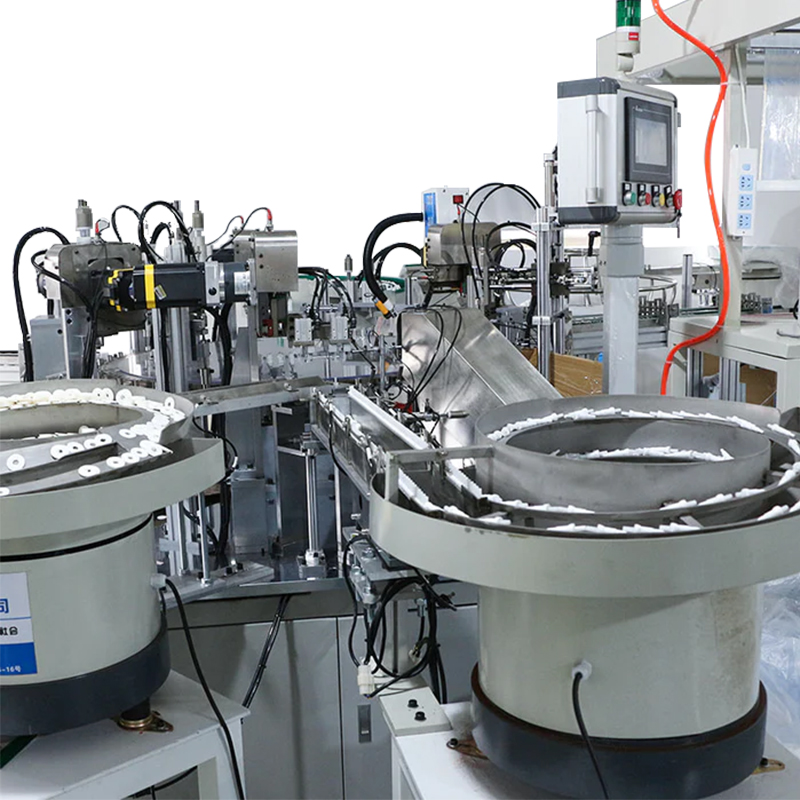
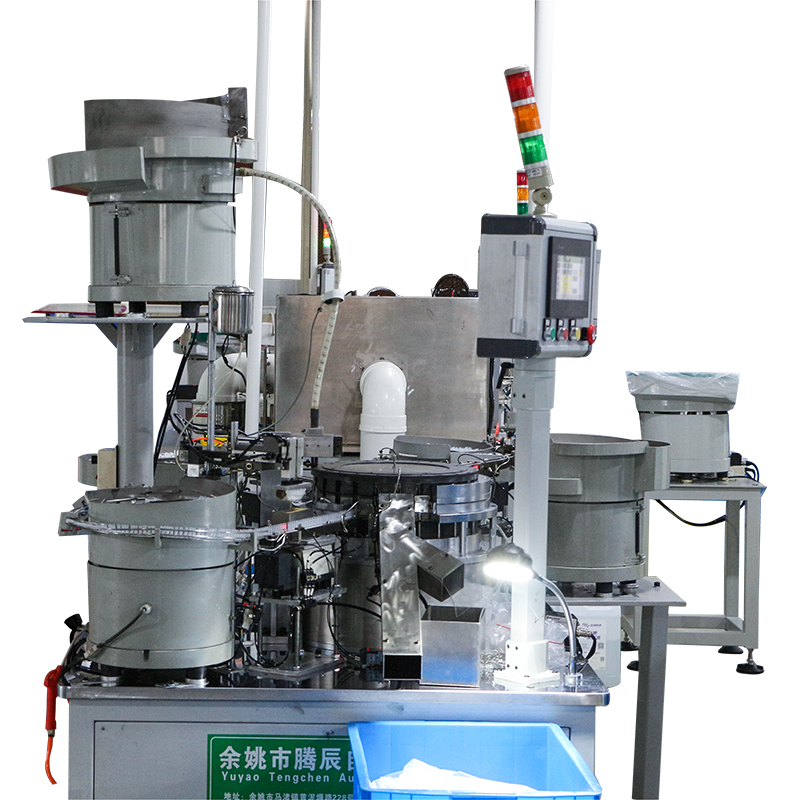
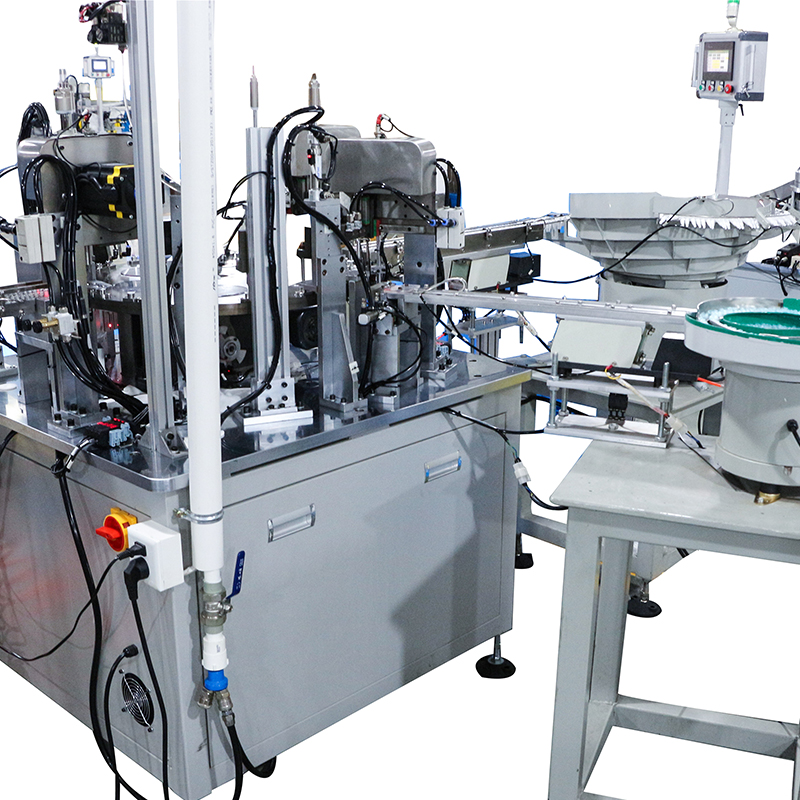
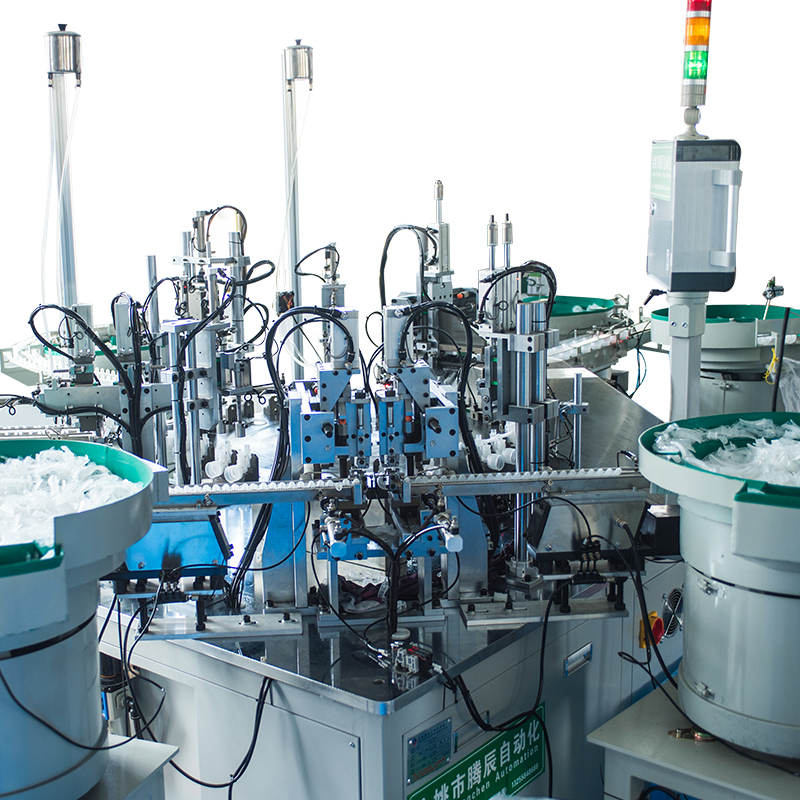
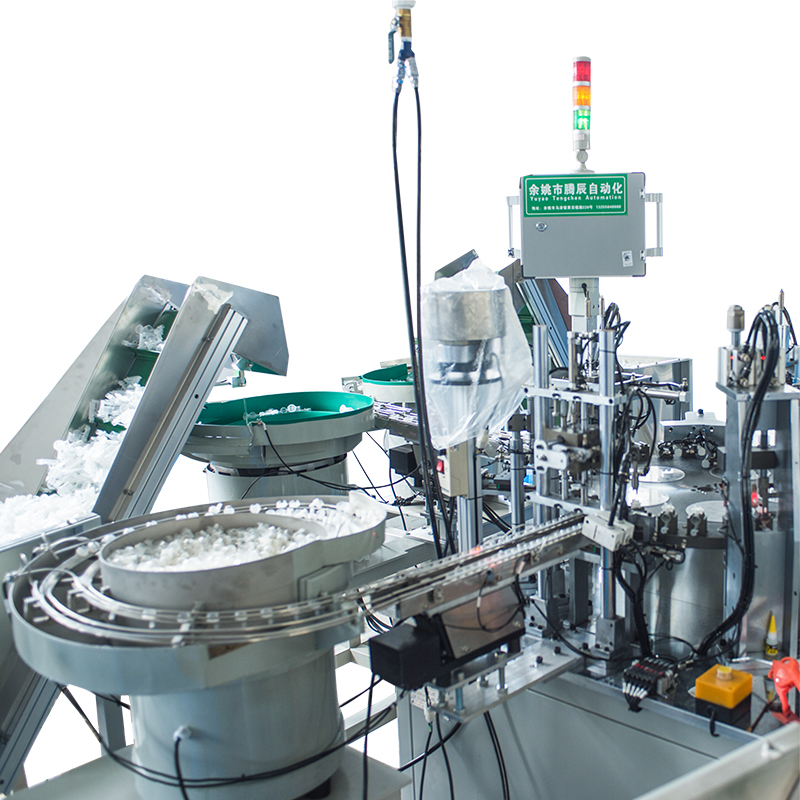
The Trigger Pump Assembly Machine handles high-viscosity liquids and gels by using a combination of precision torque control, adjustable pump stroke mechanisms, and reinforced feed systems. This ensures smooth dispensing, proper alignment, and consistent assembly even for liquids exceeding 5000 centipoise (cP) viscosity.
Understanding High-Viscosity Challenges
High-viscosity liquids and gels present unique challenges in trigger pump assembly. Their thick consistency can cause uneven dispensing, increased back-pressure, and misalignment of components. Without proper handling, this can lead to 20-30% assembly defects in high-volume production lines.
Key challenges include:
- Increased resistance during piston insertion, which may cause trigger misalignment.
- Slower filling and dispensing speeds due to high internal friction of the liquid.
- Potential leakage or incomplete sealing if torque is not properly adjusted.
- Higher wear on mechanical components without reinforced assembly parts.
Key Features of the Machine for Viscous Materials
The Trigger Pump Assembly Machine incorporates multiple features designed specifically to handle thick liquids and gels efficiently:
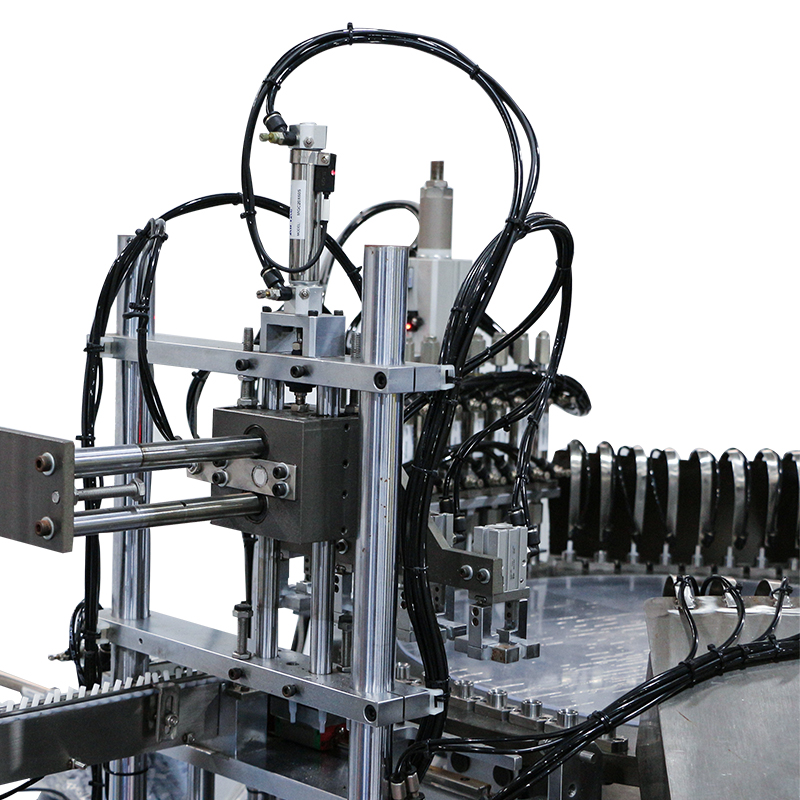
- Adjustable Torque Control: Ensures precise alignment and prevents damage to trigger pump components.
- Variable Pump Stroke: Allows customization of pumping distance based on liquid viscosity.
- High-Pressure Feed Systems: Maintains consistent liquid flow even for viscosities above 5000 cP.
- Reinforced Materials: Components such as pistons and actuators are made from hardened alloys to resist wear.
- Automated Flow Monitoring: Sensors detect backflow, blockages, or insufficient filling and adjust operations in real-time.
Optimizing Assembly Speed and Quality
Efficient handling of high-viscosity liquids requires balancing speed with quality. The machine uses servo-driven actuators to optimize stroke speed while maintaining alignment. For example, trigger pumps filled with gels like hand sanitizers (approx. 4000–6000 cP) can be assembled at rates of up to 250 units per minute without sacrificing accuracy.
Some practical adjustments include:
- Adjusting feed pressure to match liquid viscosity.
- Calibrating torque settings to avoid piston misalignment.
- Optimizing cycle time per assembly stroke for high-viscosity materials.
- Routine inspection of feed nozzles for clogging or wear.
Comparative Performance of Viscosity Handling
To illustrate the machine’s performance with different viscosities, the table below compares assembly efficiency and defect rates for liquids of varying thickness:
| Viscosity (cP) | Max Units/Min | Defect Rate (%) |
|---|---|---|
| 1000 | 300 | 0.5 |
| 3000 | 270 | 1.2 |
| 5000 | 250 | 2.0 |
Maintenance and Longevity Considerations
Handling high-viscosity liquids increases wear on mechanical parts. The Trigger Pump Assembly Machine mitigates this through reinforced pistons, hardened nozzle plates, and high-grade lubricant systems. Regular maintenance, such as cleaning feed channels and recalibrating torque settings every 500 operating hours, ensures consistent performance and extends machine lifespan to over 10 years.
Recommended maintenance practices include:
- Weekly inspection of feed and discharge channels for gel residues.
- Monthly calibration of torque and stroke mechanisms.
- Replacement of wear-prone components every 12 months for high-volume lines.
The Trigger Pump Assembly Machine efficiently handles high-viscosity liquids and gels by combining precise torque control, adjustable pump strokes, reinforced components, and real-time monitoring. With proper configuration and maintenance, it maintains high assembly speed, reduces defect rates, and ensures long-term reliability, even with liquids exceeding 5000 cP viscosity.