русский
 Español
 عربى
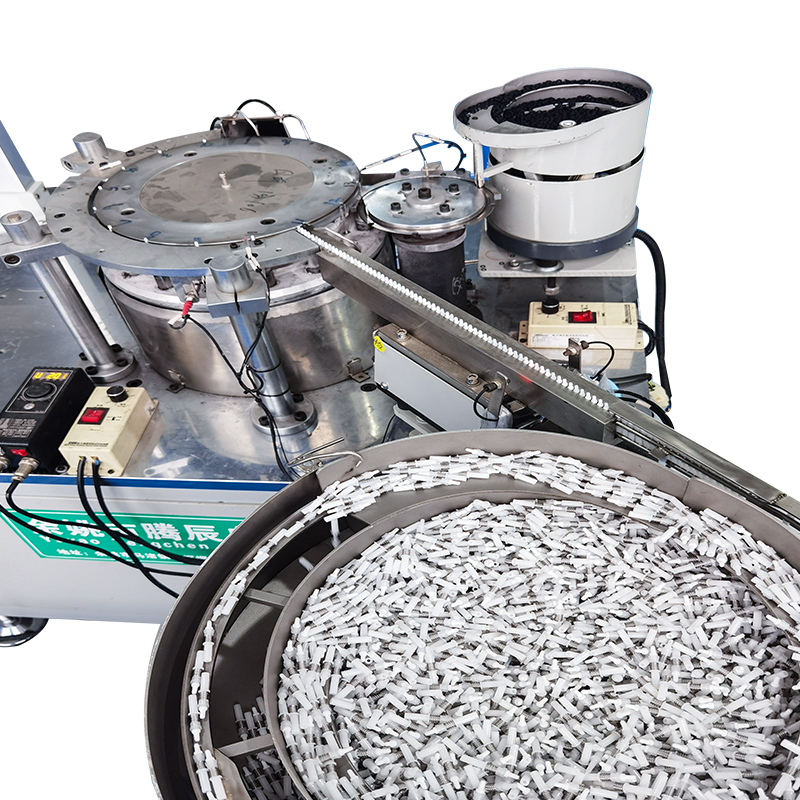
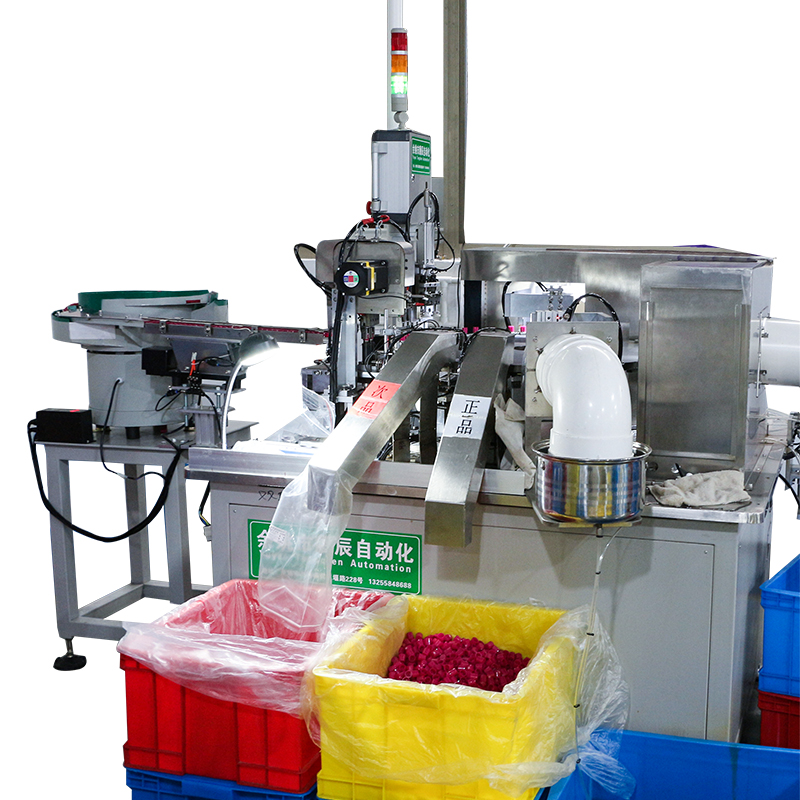
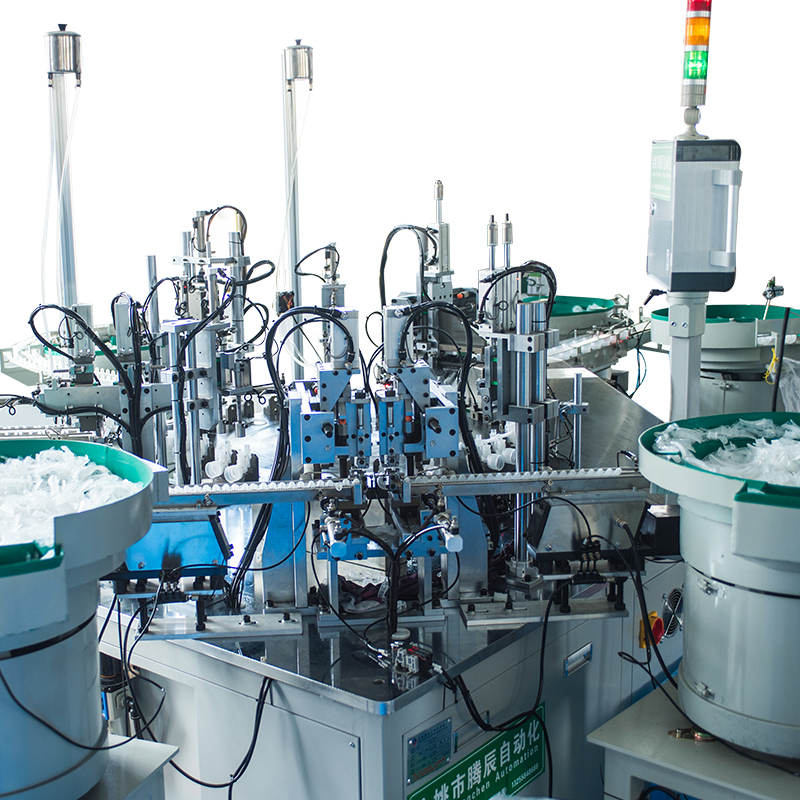
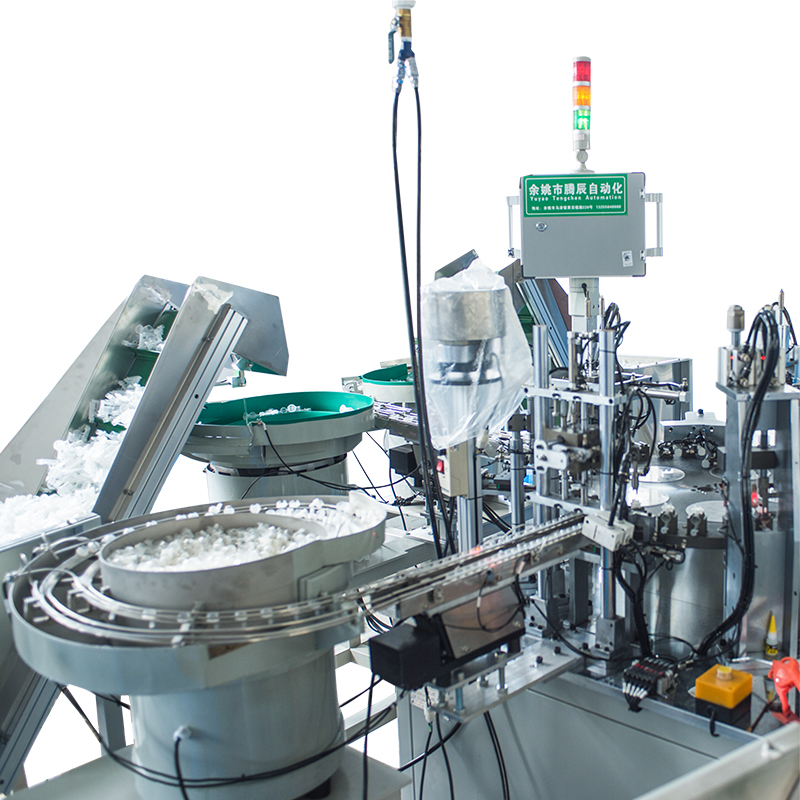
The straw insert machine performs more efficiently with rigid straws due to their structural stability, achieving up to 15% faster insertion rates and lower misalignment compared to flexible straws. Flexible straws are prone to bending, requiring careful adjustments in speed and insertion pressure, which slightly reduces throughput. However, modern machines with adaptive guides can accommodate flexible straws with over 90% accuracy, making them viable for specialty packaging.
Impact on Production Speed
Production speed is the most immediate difference between handling flexible and rigid straws. On average, the straw insert machine can process 2,400 rigid straws per hour without errors, while flexible straws drop to around 2,050 per hour. The slower speed results from the additional mechanical adjustments needed to prevent bending or jamming.
Operators often pair the straw insert machine with automatic coating machine in beverage packaging lines. The consistency of rigid straws complements the coating process, whereas flexible straws occasionally require manual verification, slightly reducing line efficiency.
Alignment Accuracy and Quality Considerations
Alignment precision is critical for both functionality and aesthetics. Rigid straws maintain a straight path through the guides of the straw insert machine, resulting in misalignment rates below 1%. Flexible straws, however, can bend at the entrance of the machine, causing misalignment rates to rise to 4–5%. This discrepancy is particularly noticeable in automated beverage assembly lines that also integrate an automatic coating machine, as misaligned straws can interfere with uniform coating.
| Straw Type | Insertion Rate (straws/hour) | Misalignment Rate |
|---|---|---|
| Rigid Straw | 2,400 | <1% |
| Flexible Straw | 2,050 | 4–5% |
Machine Settings and Customization
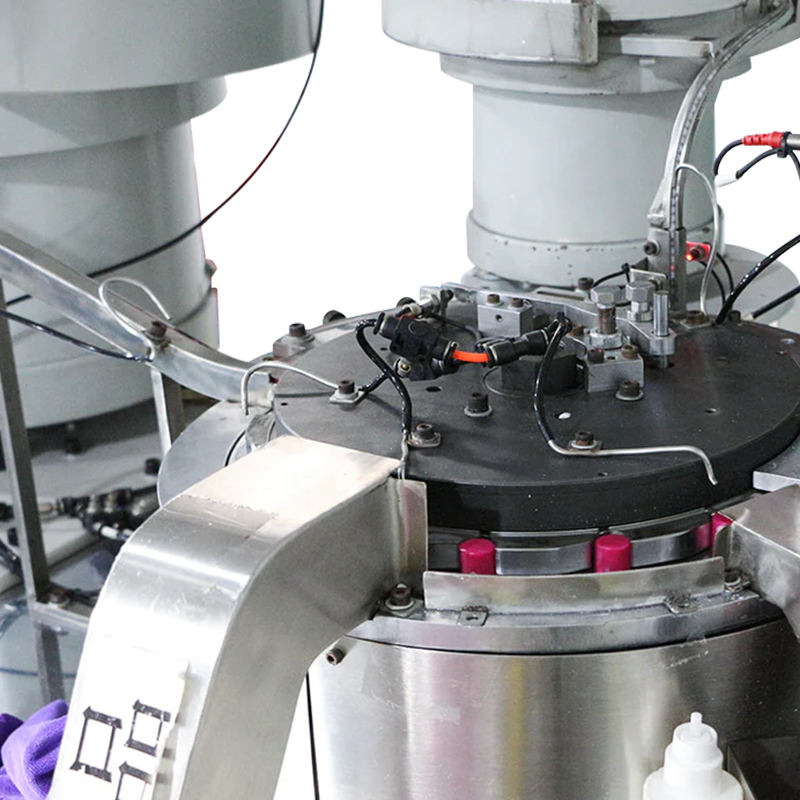
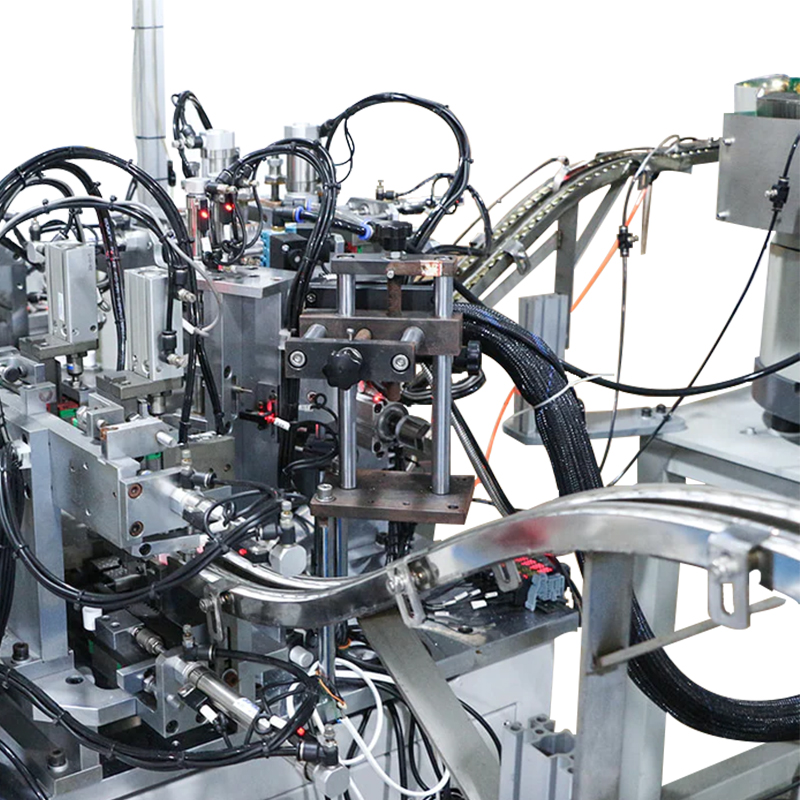
Adjusting the straw insert machine for flexible straws involves modifying insertion pressure, guide tension, and conveyor speed. For example, reducing insertion speed by 10–15% can significantly decrease straw deformation. Rigid straws typically require minimal adjustments, providing a plug-and-play experience that integrates seamlessly with existing lines, including those with an automatic coating machine.
Maintenance Implications
Flexible straws tend to leave small bends or creases within the machine’s feed system, requiring more frequent inspection and occasional guide replacement. Operators report that routine maintenance for flexible straw lines occurs every 300–400 hours, compared to 500–600 hours for rigid straws. Incorporating an automatic coating machine downstream emphasizes the need for consistent feeding to prevent coating defects.
Practical Recommendations for Users
For users prioritizing speed and reliability, rigid straws are the preferred choice. However, if product differentiation requires flexible straws, the following practices optimize performance:
- Calibrate guide rails to minimize bending stress.
- Reduce insertion speed by 10–15% to prevent deformation.
- Conduct regular inspections every 300 hours to maintain alignment.
- Pair with a high-precision automatic coating machine to avoid downstream defects.
By implementing these measures, users can achieve over 90% insertion accuracy with flexible straws, making them feasible for premium or specialty packaging applications.
The straw insert machine is more efficient and reliable with rigid straws, offering higher throughput and lower misalignment. Flexible straws, while slightly slower and more maintenance-intensive, can still be effectively handled with precise machine adjustments and regular monitoring. Integration with an automatic coating machine benefits from rigid straw consistency but can accommodate flexible straws with careful calibration. Users should weigh production speed, product requirements, and maintenance capabilities when selecting straw types for their automated lines.