русский
 Español
 عربى
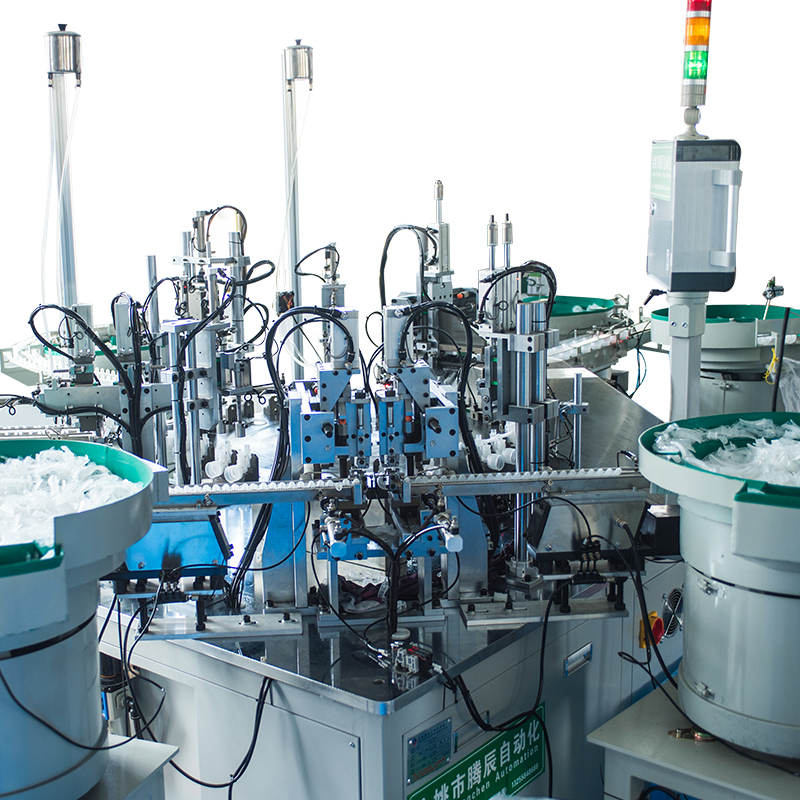
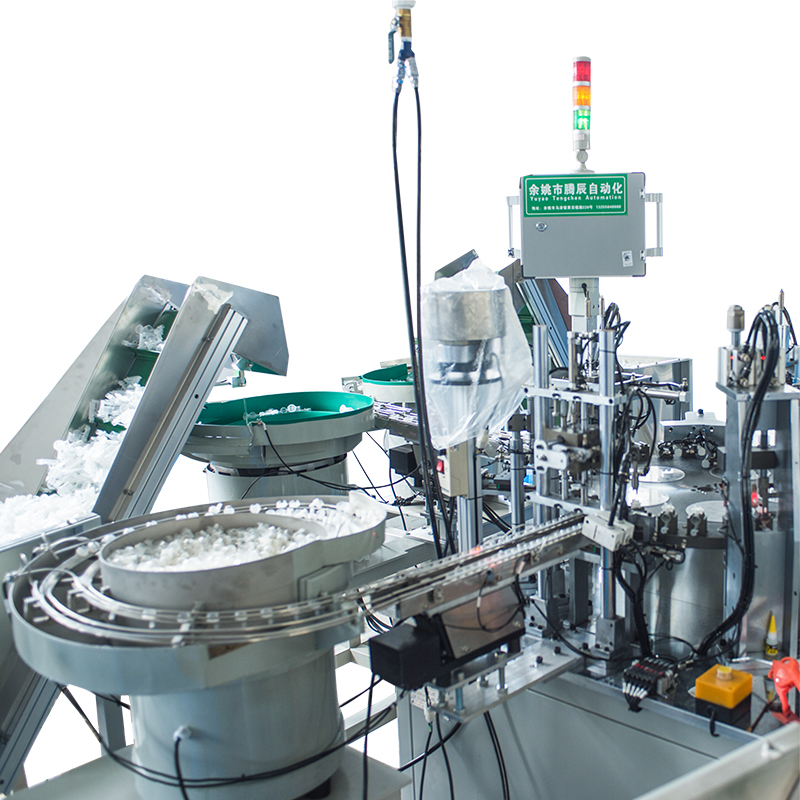
When running at full production speed, an Automatic Assembly Machine achieves a scrap rate of 0.1% to 1%, depending on the complexity of the assembled product and the calibration of the machine. In contrast, manual assembly lines at full production speed commonly produce scrap rates ranging from 3% to 8%, with some high-volume, labor-intensive operations reporting rates as high as 12% during peak output periods.
This is not a marginal difference — it represents a structural advantage rooted in mechanical consistency, real-time monitoring, and the elimination of human fatigue as a variable. For manufacturers evaluating Automated Assembly Equipment, scrap rate reduction alone often justifies the capital investment within two to three years of deployment.
Why Manual Assembly Lines Struggle With Scrap at Full Speed
Manual assembly lines are inherently vulnerable to variability. When operators are pushed to their maximum throughput, error rates rise sharply. The primary causes of scrap in manual operations include:
- Operator fatigue during extended shifts, especially in the final two hours of an 8- or 12-hour cycle
- Inconsistent torque application during fastening or pressing operations
- Part misorientation due to manual feeding and positioning
- Missed assembly steps when production pace increases
- Skill variance between individual workers on the same line
A 2022 study of electronics assembly operations found that scrap rates on manual lines increased by an average of 34% during the final production hour compared to the first hour of a shift — a direct consequence of accumulated fatigue. This problem does not exist in an Automatic Assembly Machine, which maintains identical force, speed, and positional parameters from the first cycle to the last.
How an Automatic Assembly Machine Controls Scrap at Full Production Speed
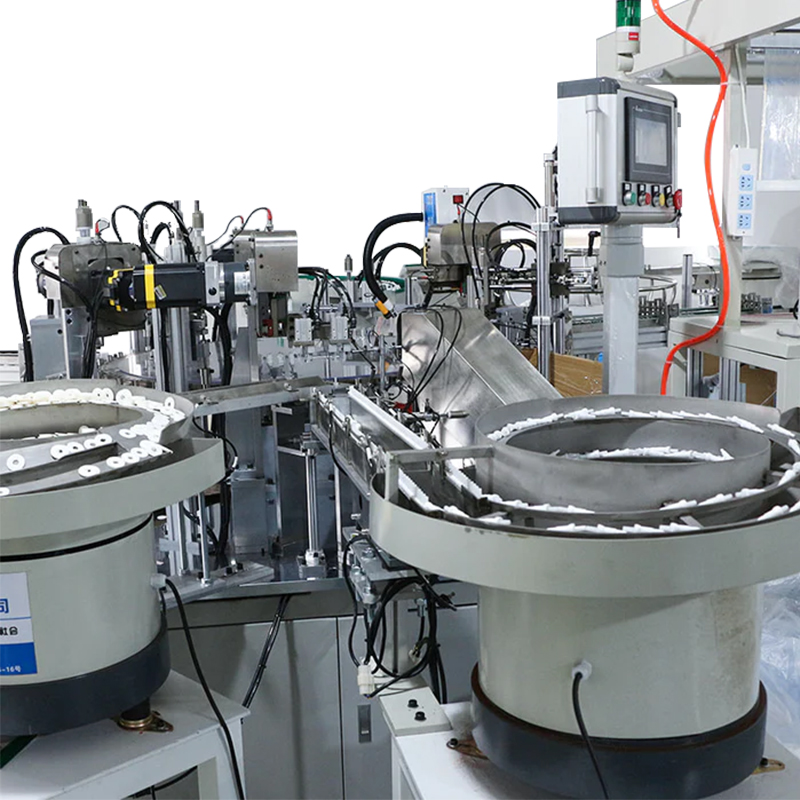
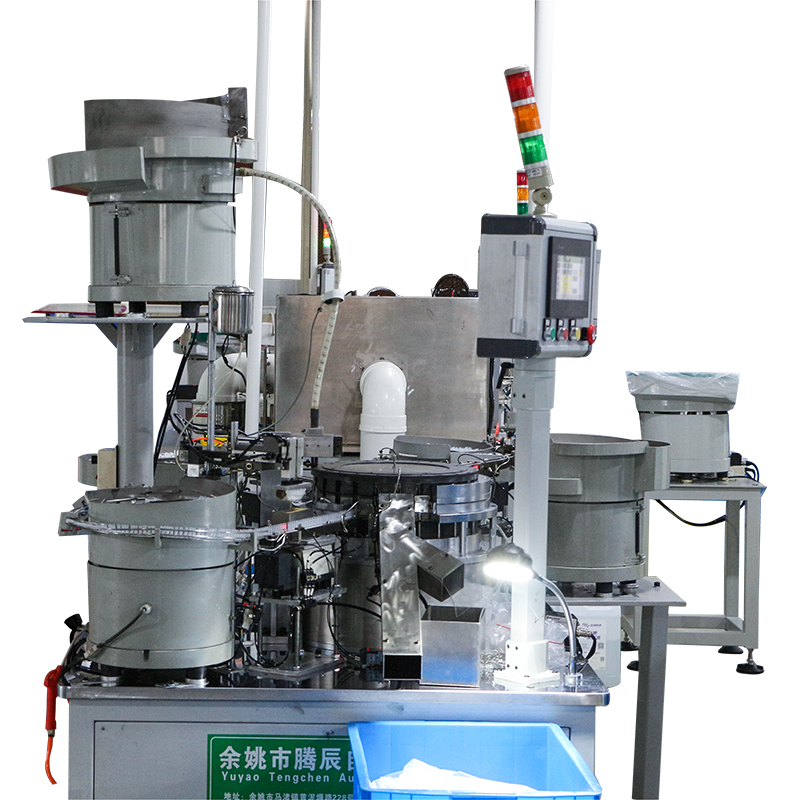
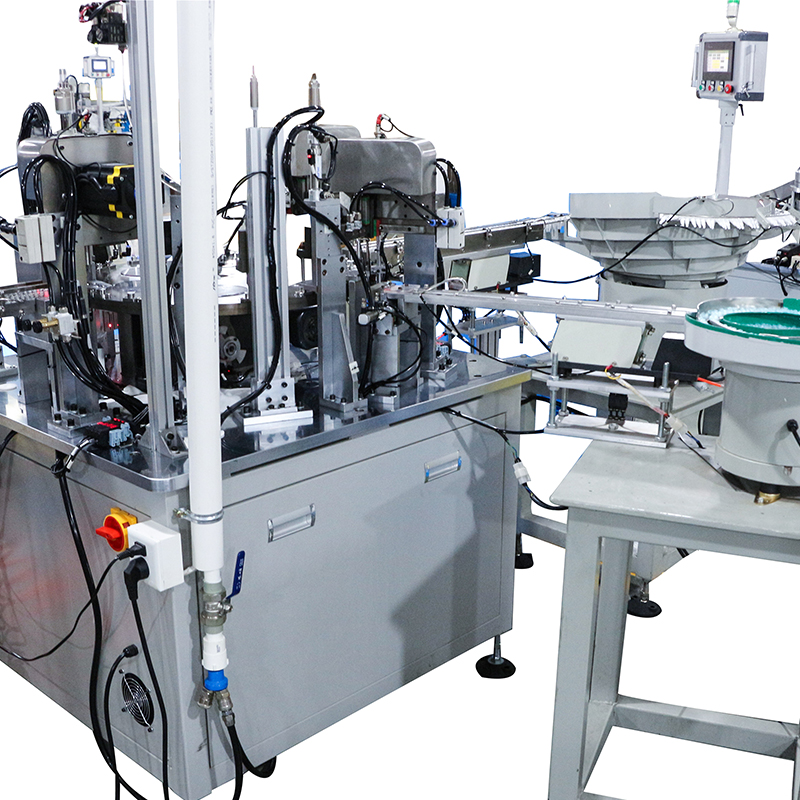
Modern Automated Assembly Equipment employs multiple integrated mechanisms to detect and prevent scrap before it propagates through the production line:
Inline Vision Inspection
High-resolution cameras and laser sensors verify part presence, orientation, and dimensional accuracy at every station. Defective subassemblies are ejected before advancing to the next stage, preventing scrap from compounding into more costly finished-product waste.
Force and Torque Monitoring
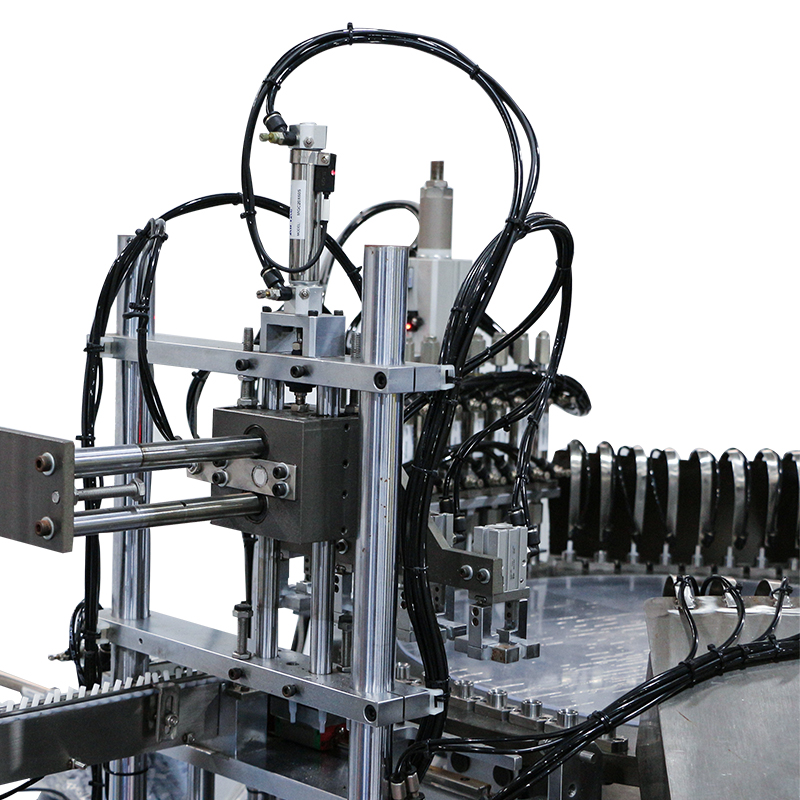
Servo-driven actuators in an Industrial Assembly Machine apply consistent, programmable force profiles. If a press-fit or torque reading deviates from the specified window — even by 2% — the machine flags or rejects the part automatically. Manual operators cannot replicate this level of consistency.
Statistical Process Control (SPC) Integration
Many current-generation Automatic Assembly Machines feed real-time process data into SPC dashboards. This allows engineers to identify upward drift in defect rates and intervene before a batch becomes scrap — a capability that is practically impossible to achieve on a purely manual line without significant inspection overhead.
Scrap Rate Comparison: Automatic Assembly Machine vs Manual Line
The table below summarizes typical scrap rate benchmarks across common manufacturing sectors, comparing Automated Assembly Equipment against manual assembly lines operating at full production speed.
| Industry Sector | Manual Assembly Scrap Rate | Automatic Assembly Machine Scrap Rate | Reduction |
|---|---|---|---|
| Electronics / PCB Assembly | 4% – 8% | 0.2% – 0.8% | ~90% |
| Automotive Components | 3% – 6% | 0.1% – 0.5% | ~92% |
| Medical Devices | 5% – 10% | 0.3% – 1.0% | ~88% |
| Consumer Goods / Plastics | 3% – 7% | 0.2% – 0.9% | ~87% |
| Hardware / Fastener Assembly | 2% – 5% | 0.1% – 0.4% | ~91% |
The Financial Impact of Scrap Rate Differences
Scrap rate is not just a quality metric — it is a direct cost driver. Consider a production line assembling 500,000 units per month with a per-unit material cost of $4.00:
- Manual line at 5% scrap: 25,000 defective units × $4.00 = $100,000 in monthly material waste
- Automatic Assembly Machine at 0.5% scrap: 2,500 defective units × $4.00 = $10,000 in monthly material waste
- Monthly savings: $90,000, or $1.08 million annually — from scrap reduction alone
This calculation excludes secondary costs such as rework labor, inspection time, warranty claims, and customer returns, which typically add another 30% to 50% to the true cost of scrap. When these are factored in, the economic case for deploying an Industrial Assembly Machine becomes even more compelling.
Situations Where the Gap Narrows — or Reverses
It would be misleading to suggest that an Automatic Assembly Machine universally outperforms manual lines in every scenario. There are specific conditions where the scrap rate advantage shrinks or even disappears:
Low-Volume, High-Mix Production
When a facility produces hundreds of SKUs in small batches, the frequent changeovers required on an Automated Assembly Equipment line can introduce tooling errors, misfeeds, and calibration drift. In these environments, experienced manual assemblers — working from clear visual work instructions — may achieve comparable or lower scrap rates due to their adaptability.
Poorly Maintained Automatic Assembly Machines
An Automatic Assembly Machine that is not maintained on schedule will degrade rapidly in scrap performance. Worn gripper fingers, misaligned feeders, and uncalibrated sensors can push scrap rates above those of a well-managed manual line. Preventive maintenance compliance is non-negotiable for sustaining the scrap rate advantage.
Complex Soft or Irregular Components
Assembling flexible, fragile, or geometrically irregular parts — such as gaskets, wire harnesses, or foam inserts — remains a challenge for Automated Assembly Equipment. Human hands still outperform robotic grippers in tactile sensitivity for these component types, meaning manual lines may produce less scrap on these specific tasks.
If you are evaluating whether to invest in an Automatic Assembly Machine or maintain a manual line, the scrap rate data points to a clear conclusion for most high-volume applications:
- Automatic Assembly Machines deliver 85% to 92% lower scrap rates than manual lines in most standardized assembly tasks at full speed.
- The financial savings from scrap reduction alone typically deliver a measurable ROI within 24 to 36 months of installation.
- The advantage is most pronounced in electronics, automotive, and medical device sectors where component tolerances are tight.
- Maintenance discipline and proper calibration schedules are essential to sustaining the scrap rate performance of any Industrial Assembly Machine.
- For low-volume, high-mix, or flexible-component assembly, a hybrid approach — combining Automated Assembly Equipment with skilled manual stations — often delivers the best overall scrap performance.
Scrap rate is one of the most quantifiable and compelling arguments for automation. The data consistently shows that an Automatic Assembly Machine, when correctly specified, installed, and maintained, represents a significant quality and cost advantage over manual assembly at full production speed.