русский
 Español
 عربى
How Changeovers Are Managed
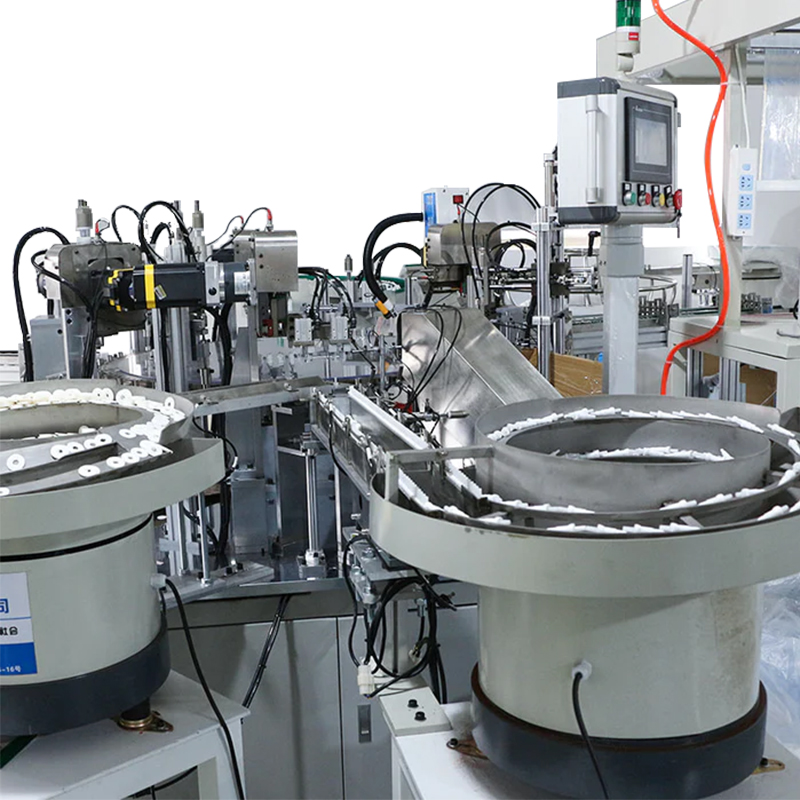
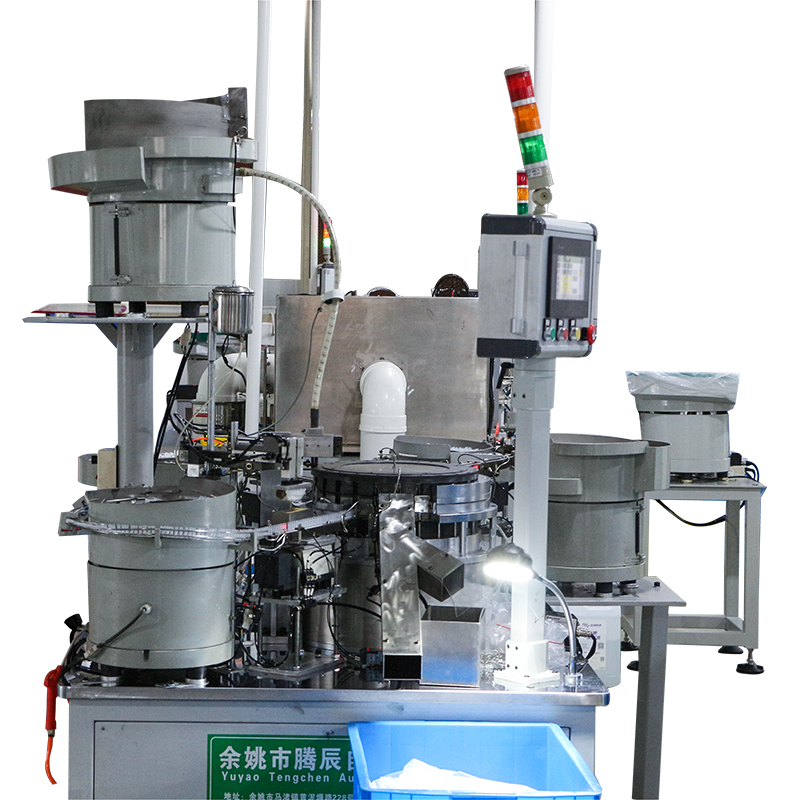
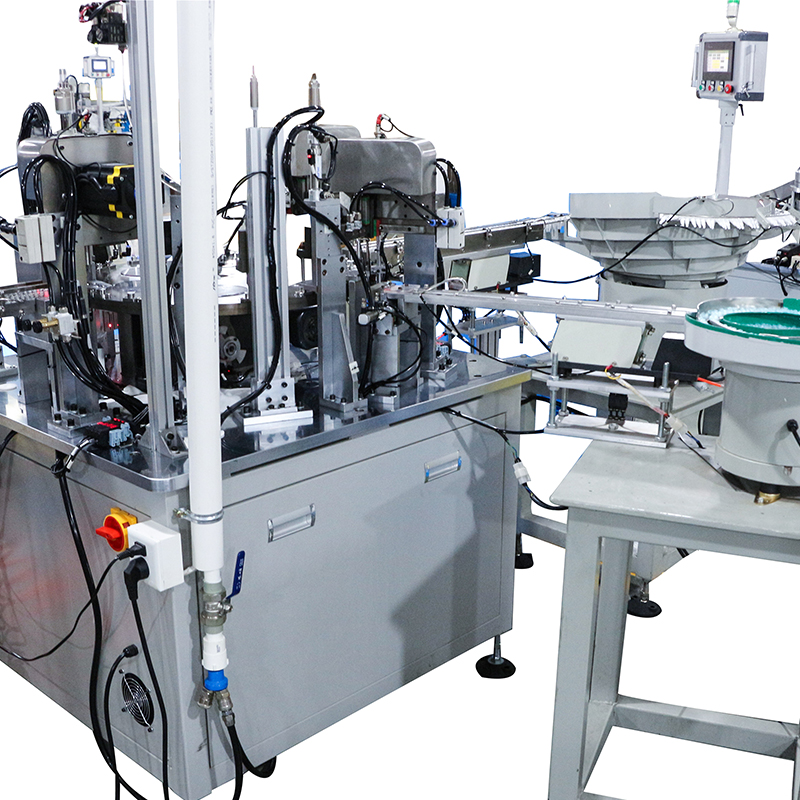
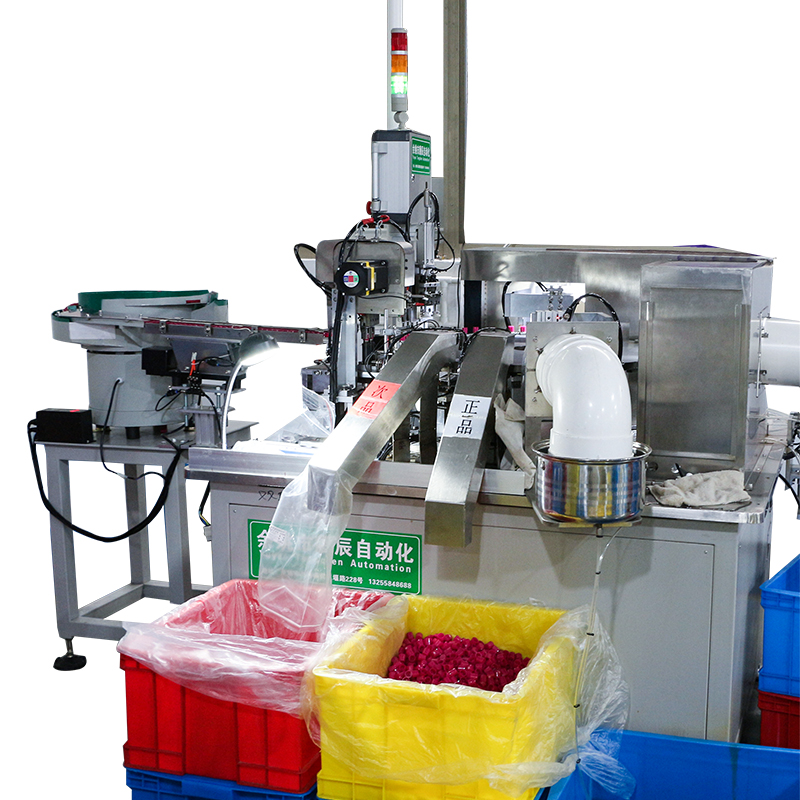
A Bottle Automatic Assembly Machine manages changeovers between different bottle designs or production batches primarily through modular tooling, programmable controls (PLC/HMI), quick-adjust mechanisms, and recipe-based automation. Operators can switch configurations by selecting pre-set parameters, replacing tooling components such as grippers or guides, and adjusting mechanical settings. In modern systems, changeovers can often be completed in 15–45 minutes, depending on complexity, compared to several hours in traditional manual systems.
These machines are engineered to minimize downtime by combining mechanical flexibility with digital control systems, enabling rapid transitions while maintaining precision, alignment, and production consistency.
Role of Modular Design in Changeovers
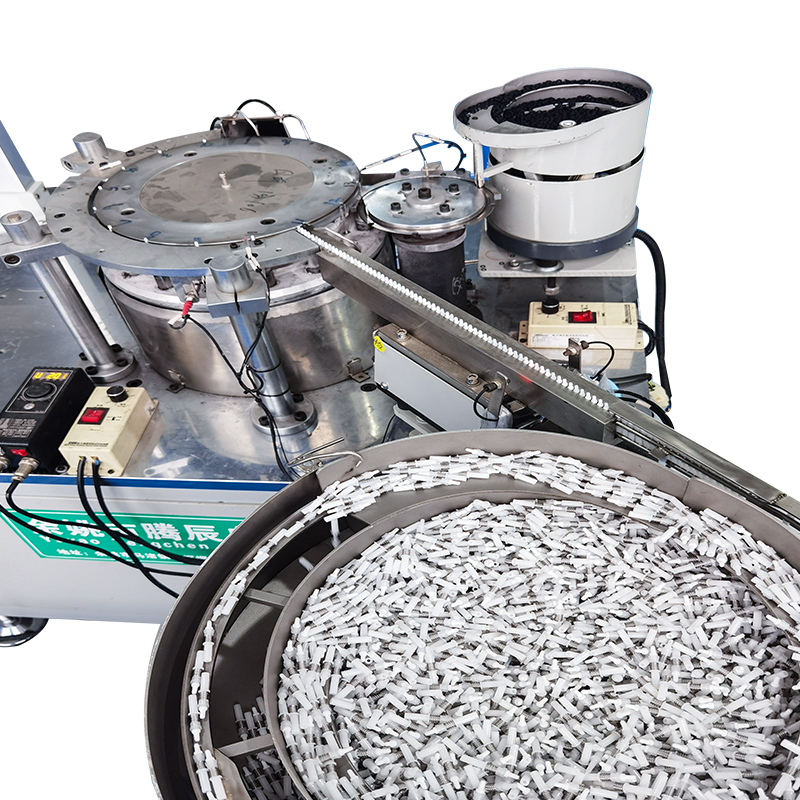
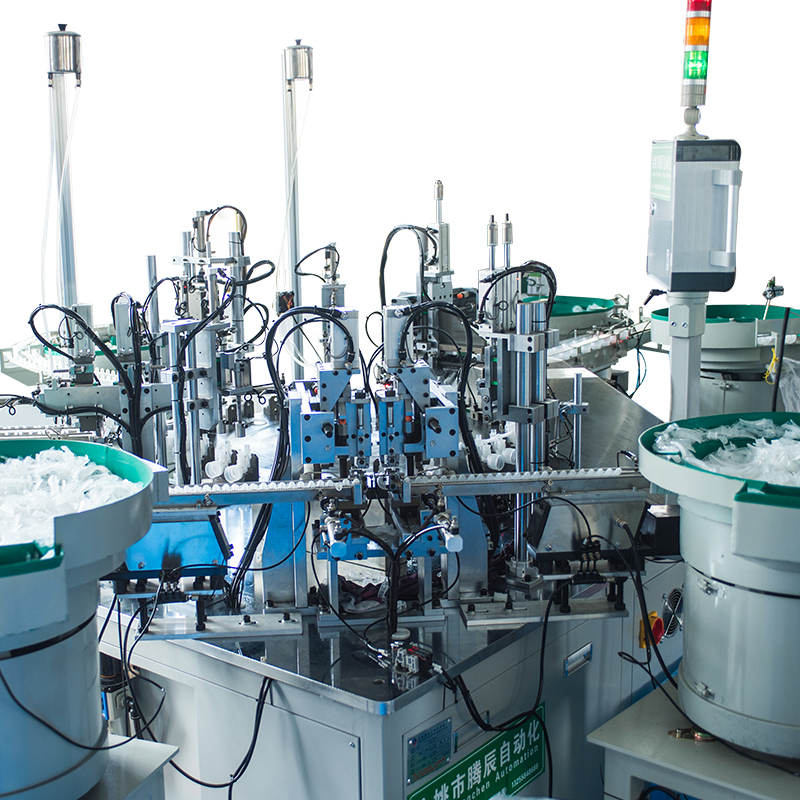
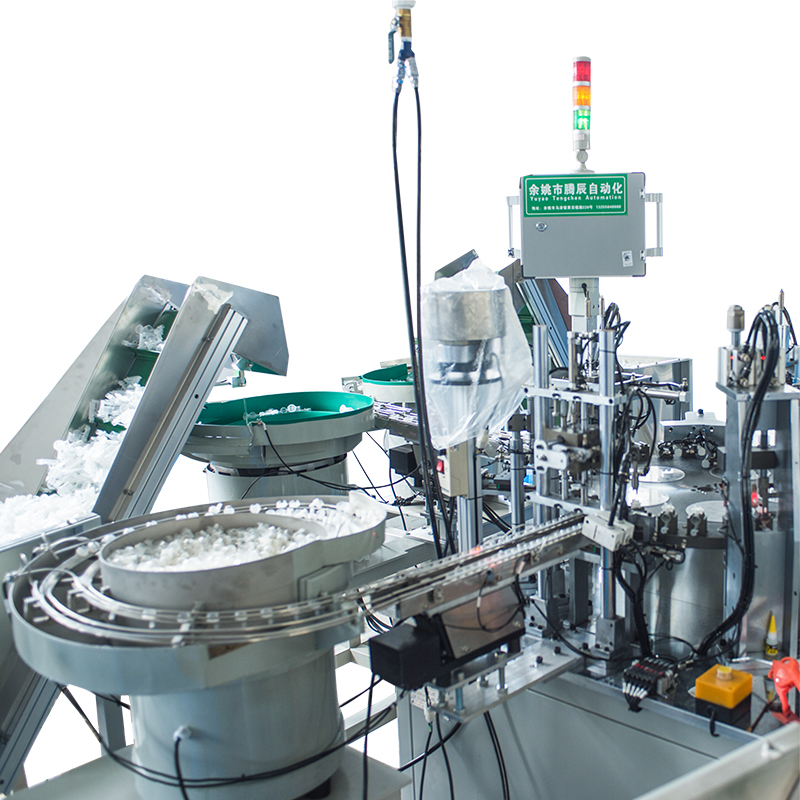
Modular design is one of the most critical features enabling efficient changeovers in a Bottle Automatic Assembly Machine. Instead of fixed components, the machine is built with interchangeable modules that can be swapped or adjusted depending on bottle specifications.
Key modular elements include:
- Adjustable conveyors and guides for different bottle diameters and heights
- Interchangeable grippers and clamps for various bottle neck designs
- Swappable feeding systems for caps, lids, or components
- Tool-less or quick-release fixtures for fast adjustments
This modularity allows operators to physically reconfigure the Bottle Automatic Assembly Machine with minimal mechanical intervention, significantly reducing downtime during batch transitions.
Programmable Logic Controller (PLC) and Recipe Management
The integration of PLC systems and Human-Machine Interfaces (HMI) plays a central role in managing changeovers. Operators can store and recall predefined “recipes” that correspond to specific bottle types or production batches.
Functions of recipe-based control:
- Automatic adjustment of speed, torque, and synchronization parameters
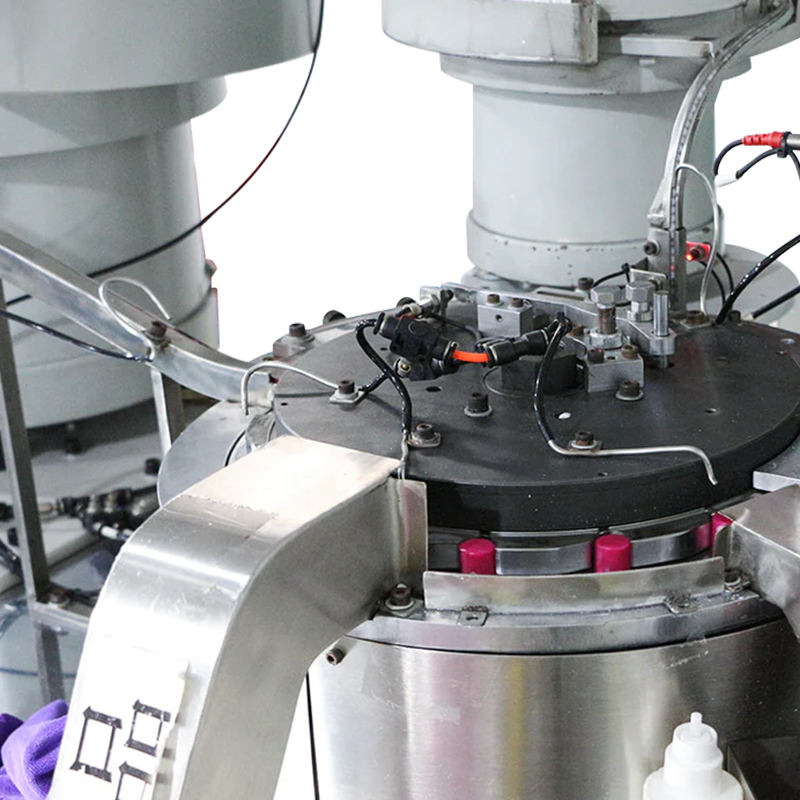
- Predefined positioning for actuators and sensors
- Calibration settings for different bottle dimensions
- Reduced manual input and operator error
By selecting the appropriate recipe, the Bottle Automatic Assembly Machine can automatically reconfigure its operational parameters, ensuring consistency across batches with minimal setup time.
Mechanical Adjustment and Tooling Replacement
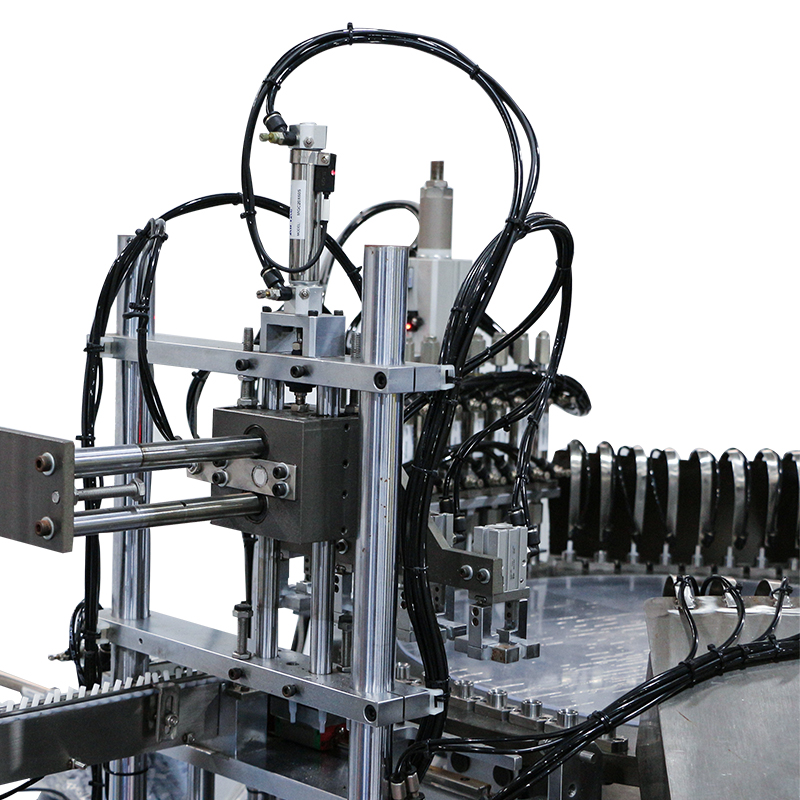
Physical adjustments remain necessary in many cases, especially when switching between significantly different bottle designs. The Bottle Automatic Assembly Machine typically includes calibrated adjustment points and tool-free mechanisms to streamline this process.
Common mechanical changeover steps:
- Replace or adjust guiding rails to match bottle width
- Swap grippers or suction heads for different neck geometries
- Modify height and alignment settings
- Adjust conveyor spacing and synchronization
These adjustments are often supported by digital indicators or scale markings to ensure repeatability and reduce setup errors.
Use of Automation Features to Reduce Downtime
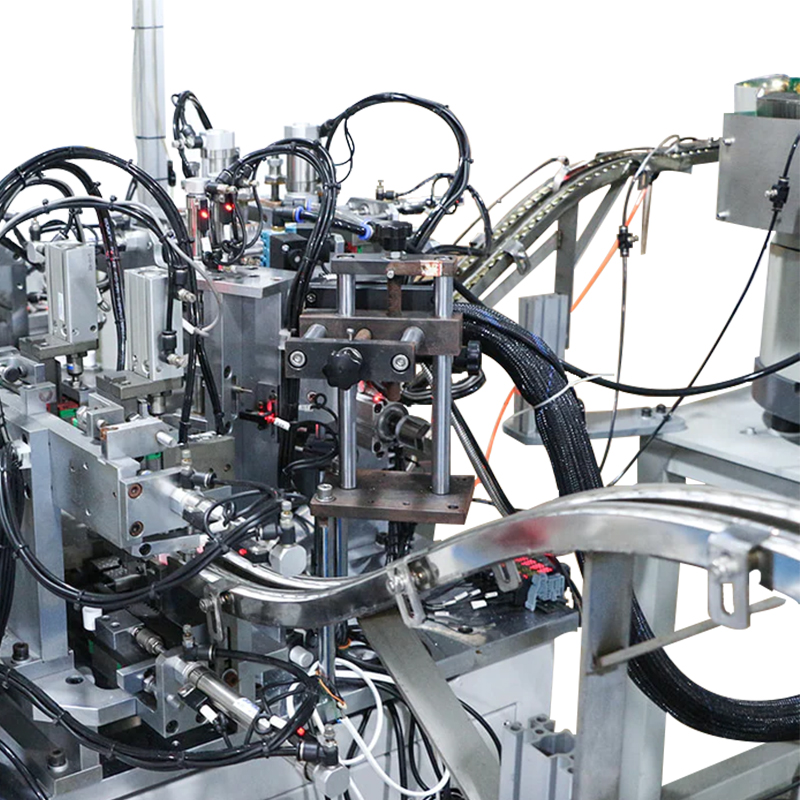
Advanced Bottle Automatic Assembly Machine systems incorporate automation features that further streamline changeovers. These include servo-driven actuators, automatic positioning systems, and sensor-based alignment verification.
- Servo motors enable precise repositioning without manual calibration
- Sensors detect misalignment and trigger automatic corrections
- Automated conveyors adjust speed and spacing dynamically
These features allow the Bottle Automatic Assembly Machine to transition between batches with minimal operator intervention while maintaining high accuracy.
Typical Changeover Time Comparison
| System Type | Average Changeover Time | Operator Involvement |
|---|---|---|
| Manual Systems | 2–6 hours | High |
| Semi-Automatic Systems | 1–2 hours | Moderate |
| Bottle Automatic Assembly Machine | 15–45 minutes | Low |
Best Practices for Efficient Changeovers
To maximize efficiency when using a Bottle Automatic Assembly Machine, operators should follow structured procedures and maintain proper documentation.
- Maintain a library of validated recipes for each bottle type
- Use standardized tooling to reduce compatibility issues
- Train operators on quick-change procedures
- Schedule preventive maintenance to avoid unexpected delays
Implementing these practices ensures that the Bottle Automatic Assembly Machine consistently achieves fast, accurate, and repeatable changeovers across different production batches.
The Bottle Automatic Assembly Machine manages changeovers through a combination of modular hardware, programmable control systems, automated adjustments, and standardized operating procedures. This integrated approach enables manufacturers to switch between bottle designs or production batches efficiently while maintaining high levels of precision and productivity.
The result is a highly flexible production system where changeovers are no longer a major bottleneck but a streamlined and predictable process, supporting modern manufacturing demands for speed, adaptability, and consistency.