русский
 Español
 عربى
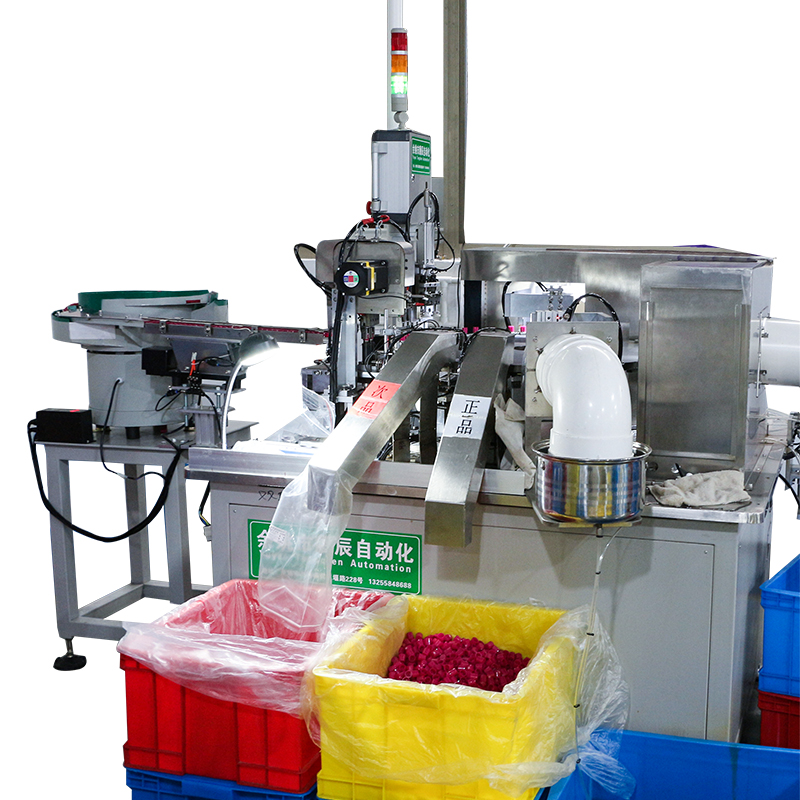
The gripping and feeding mechanisms of an Automatic Assembly Machine differ significantly when handling lightweight aluminum parts versus heavier cast iron components. Aluminum parts — typically weighing 60–70% less than cast iron equivalents — require low-force, high-speed grippers with anti-scratch surfaces, while cast iron components demand high-torque, heavy-duty grippers with reinforced actuators and slower, more controlled feeding speeds. Getting this distinction wrong leads to part damage, misfeeds, and costly downtime.
Why Material Weight Changes Everything in Assembly Automation
An Automatic Assembly Machine is engineered to handle a specific payload range. When the material shifts from aluminum (density ~2.7 g/cm³) to cast iron (density ~7.2 g/cm³), the machine faces a 2.5× to 3× increase in component weight for the same physical size. This has a cascading effect on every mechanical subsystem — from the vibratory bowl feeder to the end-of-arm tooling (EOAT) on robotic pick-and-place units.
Beyond weight, surface hardness matters. Aluminum (Brinell hardness ~15–80 HB) is softer and more prone to surface marring, while cast iron (Brinell hardness ~150–300 HB) is harder but brittle and susceptible to cracking under shock loads. The Automatic Assembly Machine must account for both characteristics simultaneously.
Gripper Design: Force, Material, and Contact Area
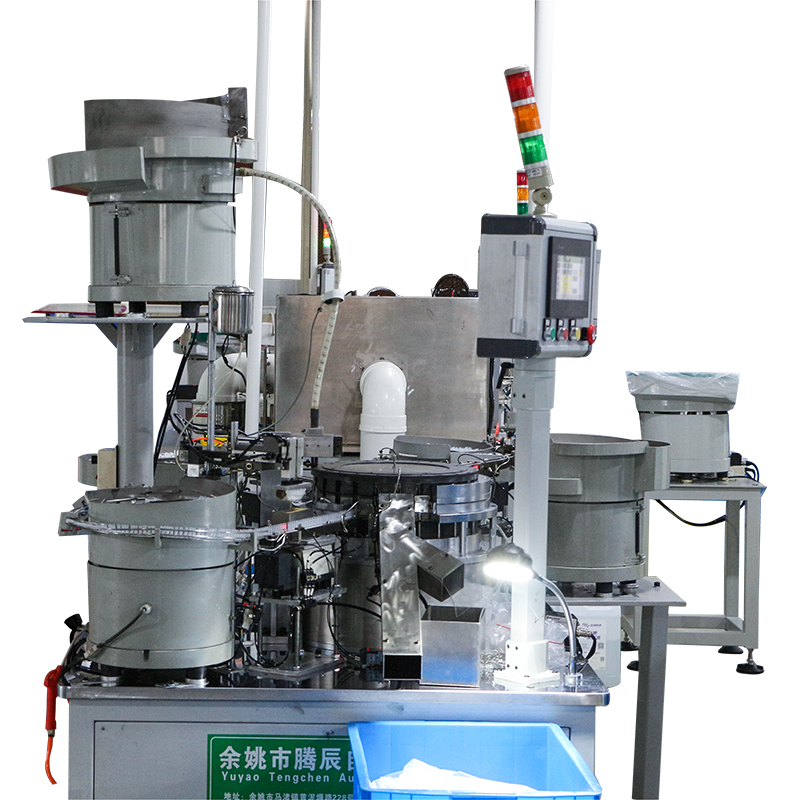
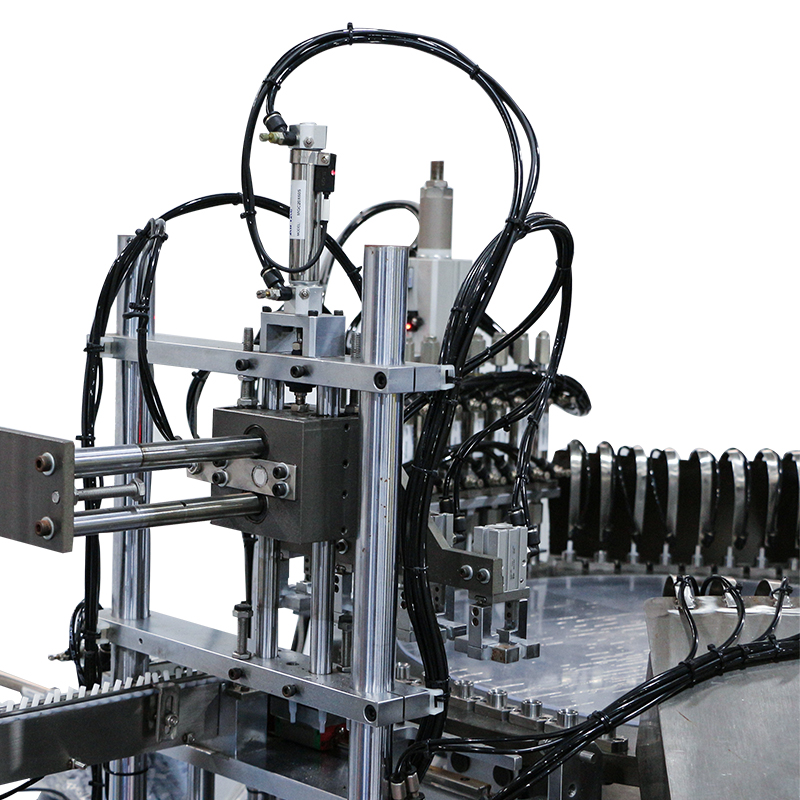
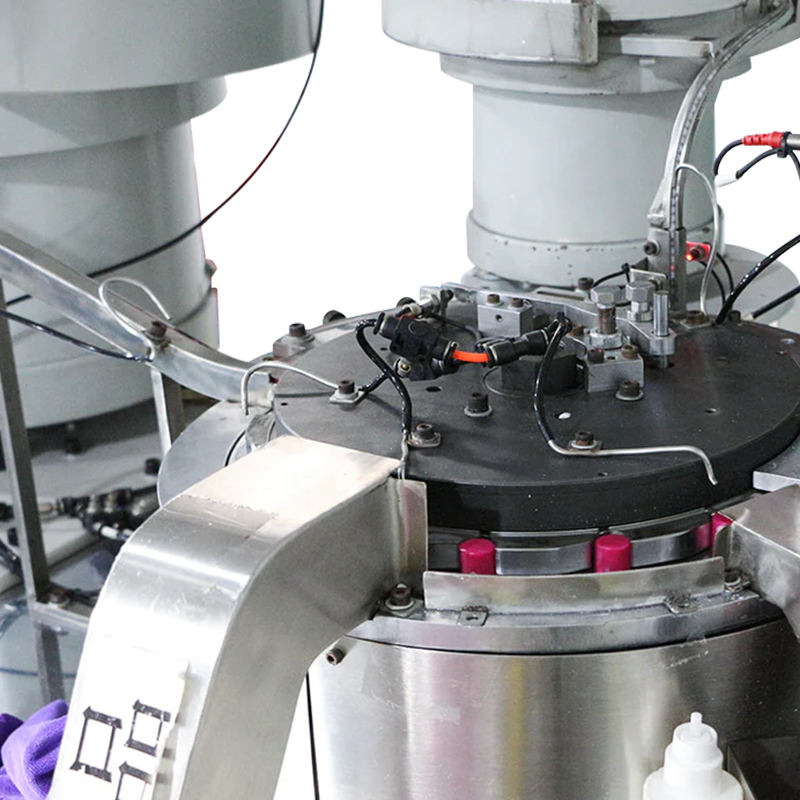
The gripper is the most critical point of contact in any Automatic Assembly Machine. Its design must balance clamping force, contact surface, and jaw material depending on what is being gripped.
For Lightweight Aluminum Parts
- Pneumatic grippers with polyurethane or rubber-coated jaws are standard to prevent scoring on aluminum's soft surface.
- Clamping force is typically set between 10–50 N depending on part geometry.
- High-speed operation is achievable — cycle times as fast as 0.3–0.5 seconds per pick are common in aluminum component assembly.
- Vacuum suction cups are viable for flat or lightly contoured aluminum blanks.
For Heavier Cast Iron Components
- Heavy-duty parallel or angular grippers with hardened steel jaws are required to handle the increased mass reliably.
- Clamping force requirements jump to 150–500 N or higher for larger castings.
- Acceleration and deceleration ramps on the robot arm must be reduced by 30–50% to prevent part slippage or gripper jaw wear.
- Magnetic grippers are sometimes used for cast iron due to its ferromagnetic properties, eliminating mechanical jaw contact entirely.
| Parameter | Aluminum Parts | Cast Iron Parts |
|---|---|---|
| Typical Density | ~2.7 g/cm³ | ~7.2 g/cm³ |
| Gripper Type | Pneumatic / Vacuum | Heavy-duty / Magnetic |
| Jaw Material | Rubber / Polyurethane | Hardened Steel |
| Clamping Force | 10–50 N | 150–500 N |
| Cycle Time per Pick | 0.3–0.5 sec | 0.8–1.5 sec |
Feeding Mechanism Differences: Speed, Vibration, and Orientation Control
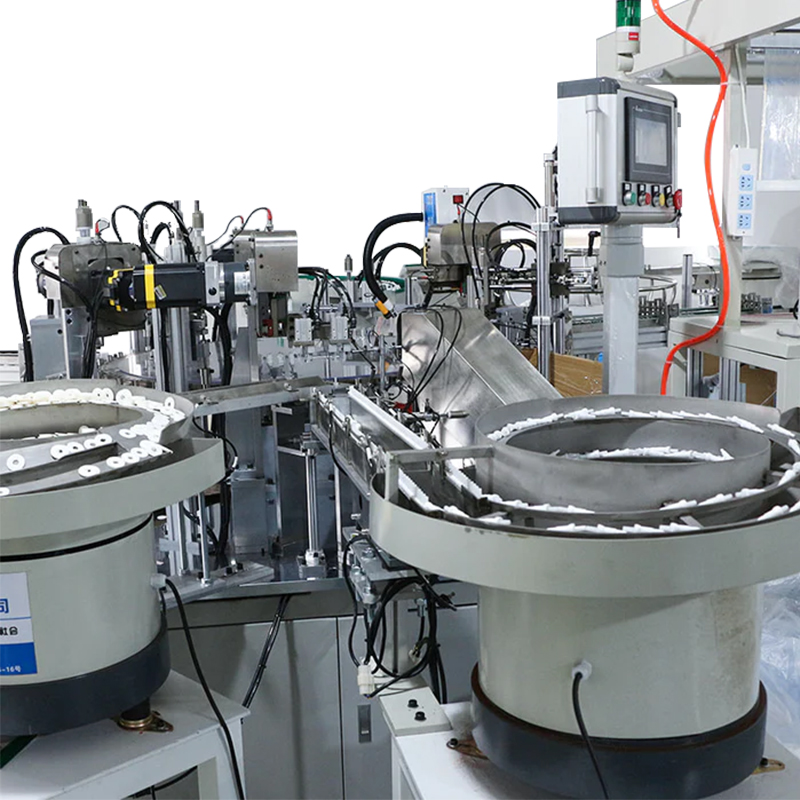
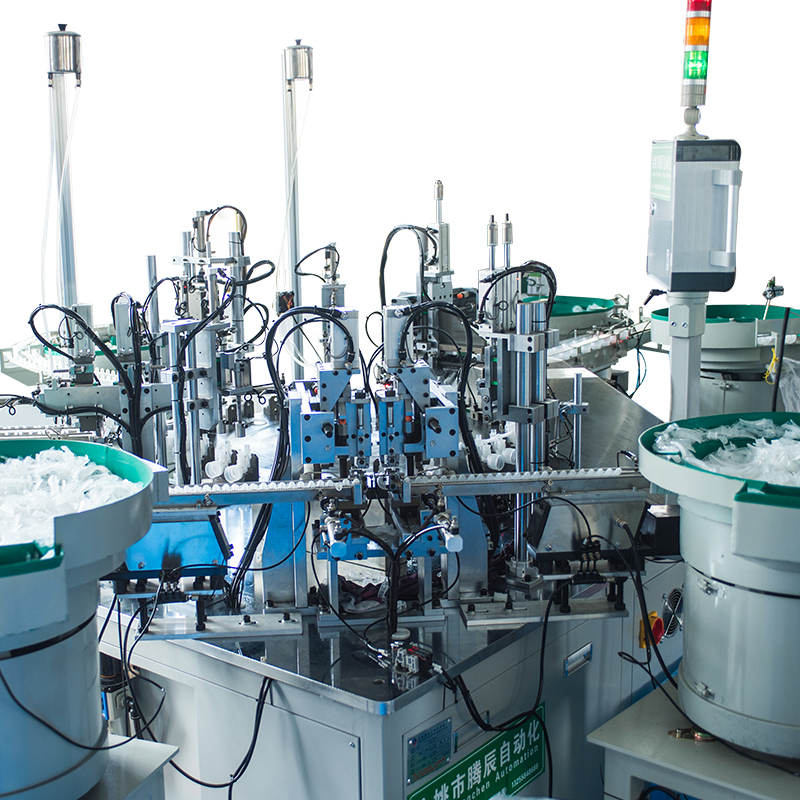
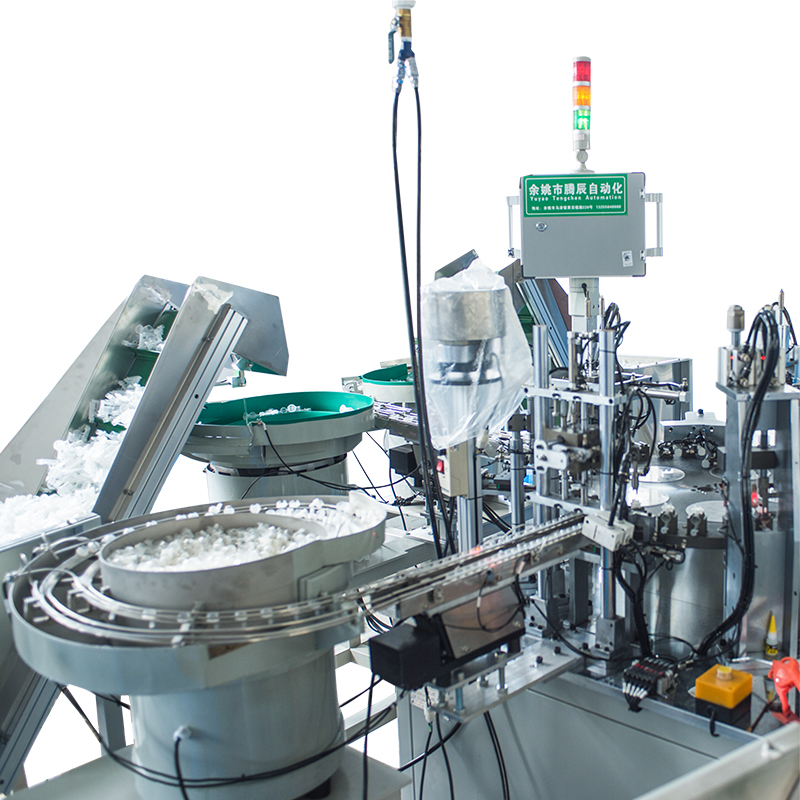
The feeding system of an Automatic Assembly Machine — whether a vibratory bowl feeder, linear feeder, or conveyor — must be tuned specifically to the material's mass and surface characteristics.
Aluminum Component Feeding
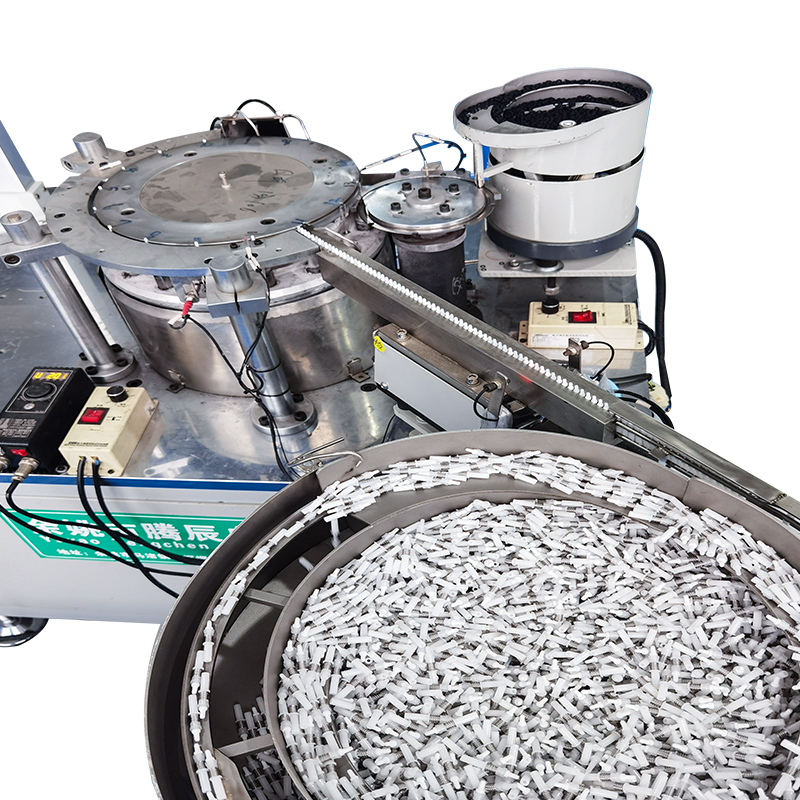
Aluminum parts respond well to standard vibratory bowl feeders operating at frequencies of 50–100 Hz. Because of their low mass, they are easily moved and oriented without high drive amplitudes. Feed rates of 60–120 parts per minute are achievable depending on geometry. However, care must be taken to line the bowl with polyurethane coatings to prevent surface scratching, which can affect downstream coating or anodizing processes.
Cast Iron Component Feeding
Cast iron parts are dense, abrasive, and often irregular in shape. Vibratory feeders handling cast iron must be heavy-duty units with reinforced bases and higher motor torque — often 2× to 3× the drive power of a standard feeder. Feed rates are necessarily lower, typically 20–50 parts per minute. The abrasive nature of cast iron also accelerates bowl liner wear, increasing maintenance frequency. In many high-volume applications, a robotic bin-picking system with 3D vision replaces traditional bowl feeders entirely for cast iron parts, reducing wear and improving flexibility.
Structural Load on the Automatic Assembly Machine Frame
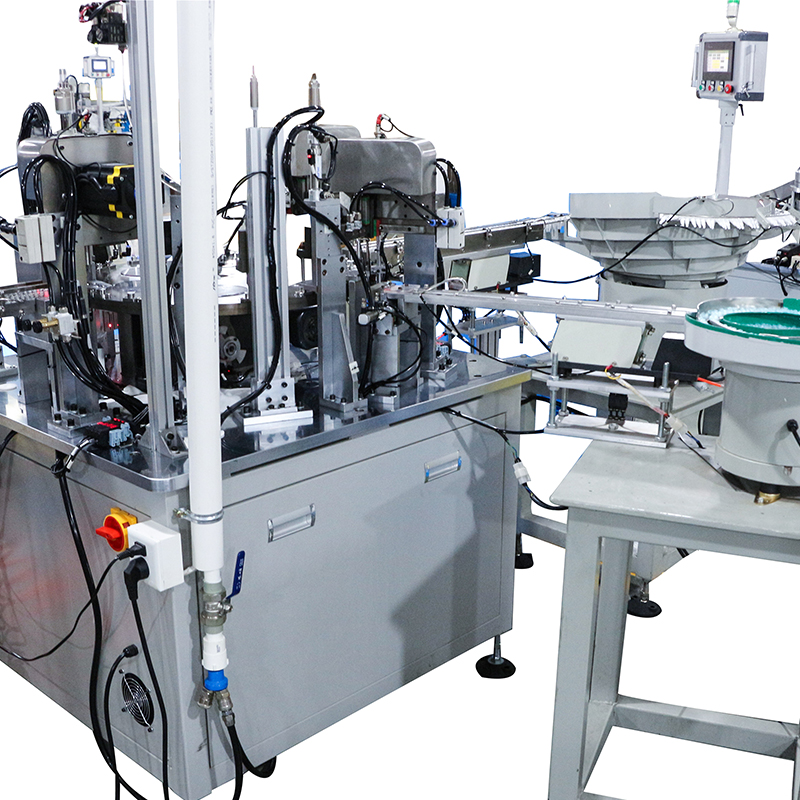
Switching from aluminum to cast iron affects not just the end tooling but the entire machine frame and motion system. A robot arm or gantry system rated for 5 kg aluminum parts may be operating at or beyond its dynamic load limit when handling a 13 kg cast iron equivalent of the same physical size. Exceeding rated payload causes:
- Premature wear on linear guides and ball screws
- Increased positional error, reducing assembly precision
- Servo motor overheating and potential failure
- Reduced machine MTBF (Mean Time Between Failures)
Manufacturers sourcing an Automatic Assembly Machine for mixed-material production should specify the heaviest component as the design payload benchmark, not the average weight.
Sensor and Vision System Adjustments
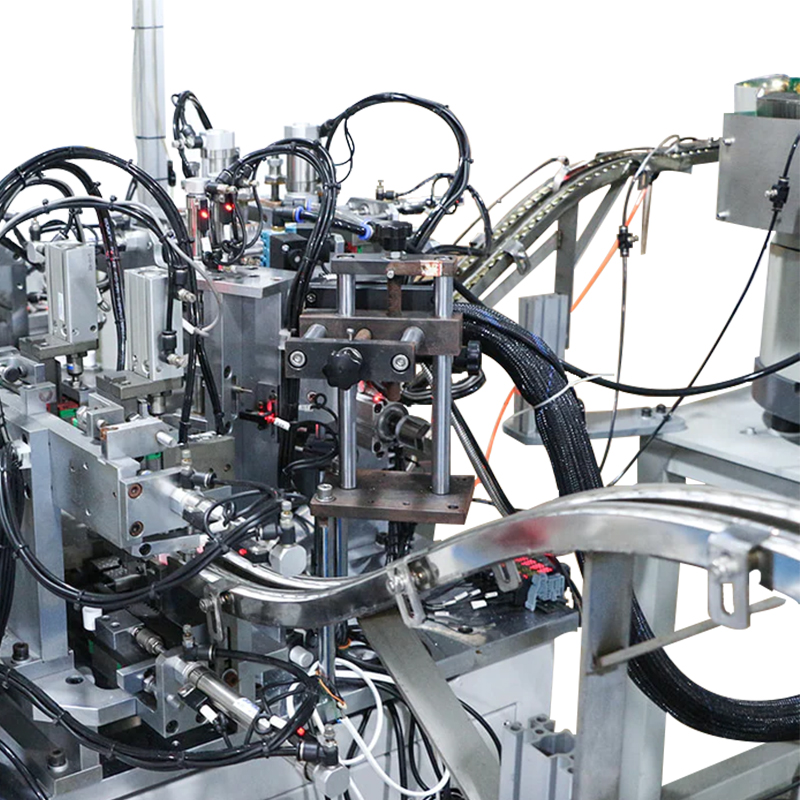
Modern Automatic Assembly Machines rely on vision systems and force-torque sensors to confirm part presence, orientation, and correct seating. Material differences create notable calibration challenges:
- Reflectivity: Polished or anodized aluminum reflects light intensely, causing glare that can confuse camera-based inspection systems. Diffused lighting or polarized lenses are often required.
- Surface texture: Raw cast iron has a rough, matte surface that absorbs light, requiring higher illumination intensity for reliable vision detection.
- Force feedback: Force-torque sensors used for insertion tasks must be recalibrated — aluminum parts may require insertion forces under 20 N while cast iron press-fit operations may demand 500–2,000 N.
Tooling Changeover and Flexibility for Mixed-Material Production
If your Automatic Assembly Machine must handle both aluminum and cast iron on the same line, a quick-change tooling system is essential. Leading systems from suppliers like Schunk or ATI Industrial Automation allow EOAT swaps in under 60 seconds. A practical changeover checklist for material switches includes:
- Swap gripper jaw inserts (rubber to hardened steel or vice versa)
- Adjust pneumatic pressure regulator to match new clamping force requirement
- Reload motion profile in PLC/robot controller (acceleration limits, speed curves)
- Recalibrate vision system lighting and threshold settings
- Verify feeder drive amplitude and orientation tooling compatibility
Facilities running high-mix production report that documented changeover procedures reduce material-switch downtime by up to 40% compared to ad hoc adjustments.
When specifying or operating an Automatic Assembly Machine across different material classes, the following practical guidelines apply:
- Never select a machine rated only for your lightest component — always size to the heaviest material in your product range.
- Request material-specific gripper packages from the OEM — most reputable Automatic Assembly Machine suppliers offer configurable EOAT libraries.
- Account for feeder liner replacement costs in your TCO (Total Cost of Ownership) calculation when running abrasive cast iron parts.
- Invest in a force-torque sensor as standard equipment rather than an optional add-on — it pays back rapidly by preventing damaged parts and missed assemblies across both material types.
- For high-volume cast iron assembly, evaluate magnetic gripper or bin-picking alternatives before committing to a traditional bowl feeder configuration.