русский
 Español
 عربى
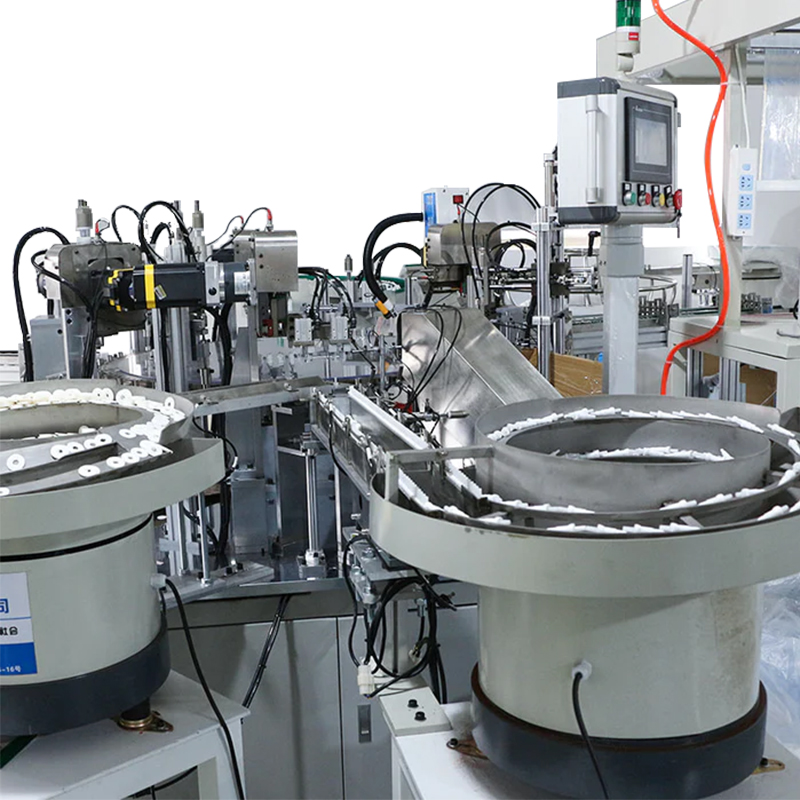
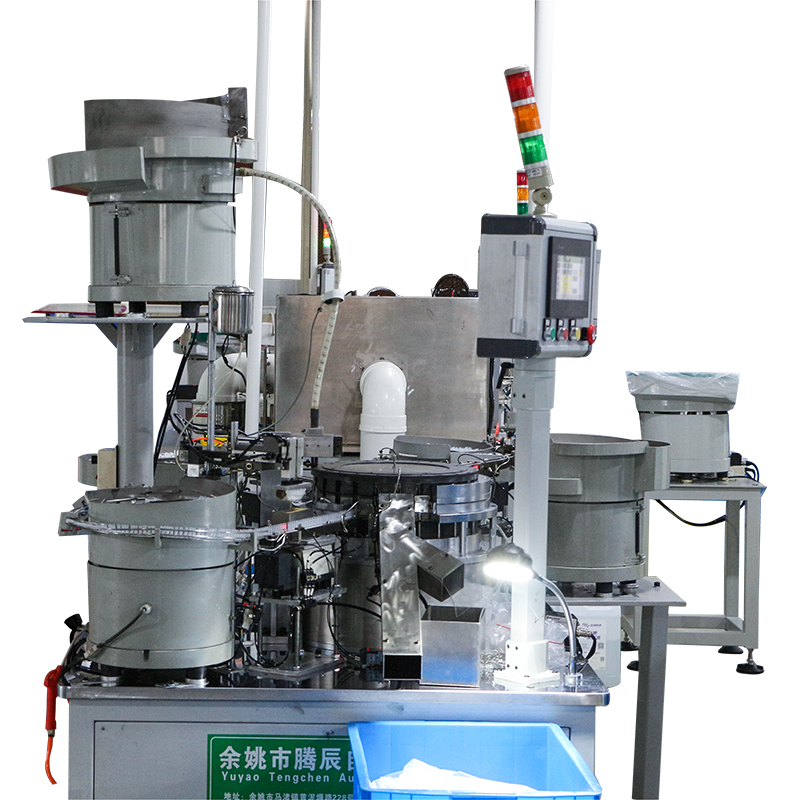
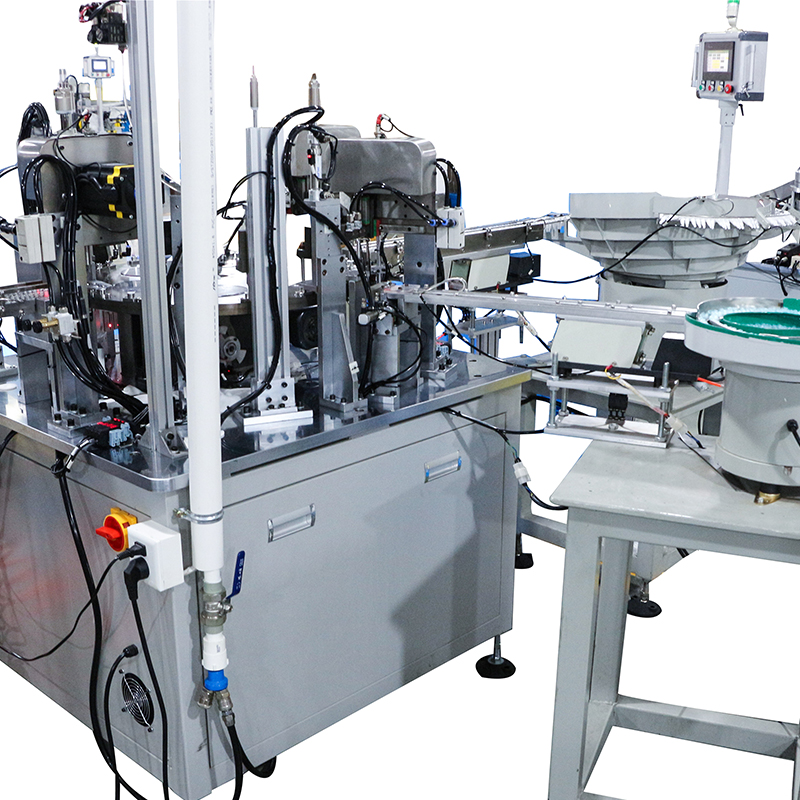
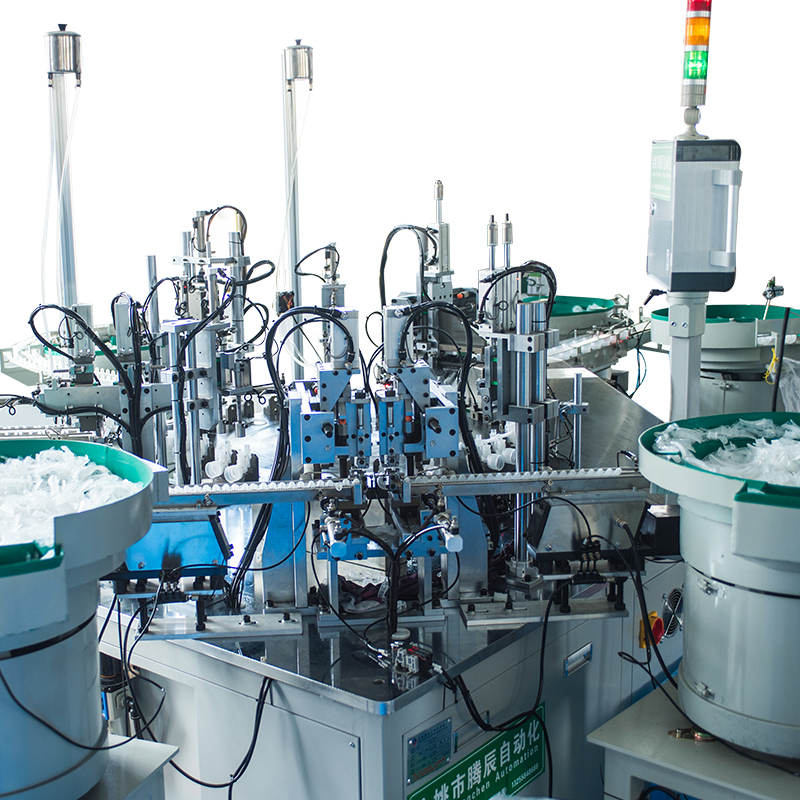
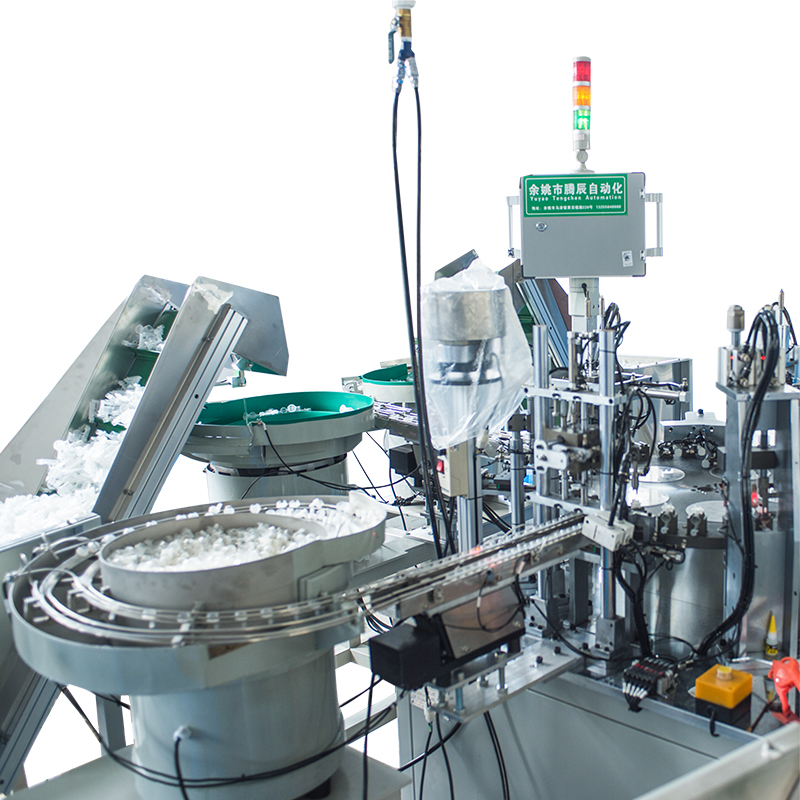
The Automatic Assembly Machine generally performs better than CNC-based assembly solutions in high-volume, repetitive industrial production, while CNC-based systems excel in high-precision, low-volume, and highly customized manufacturing scenarios. In most standardized production environments, the Automatic Assembly Machine delivers 30%–60% higher throughput and significantly lower per-unit labor cost compared to CNC-based assembly systems. However, CNC-based solutions still maintain an edge in micro-tolerance precision, often achieving accuracy levels within ±0.005 mm, which is difficult for most automated assembly machines to consistently match.
Therefore, the choice is not about superiority but suitability. If a factory prioritizes scalability, speed, and continuous production, automated assembly machines are the preferred solution. If the focus is precision machining, customization, or multi-material complex assemblies, CNC-based systems remain highly relevant.
Core Functional Differences Between the Two Systems
The fundamental difference between an Automatic Assembly Machine and CNC-based assembly solutions lies in their operational logic. Automatic systems are designed for repetitive, structured workflows, while CNC systems rely on programmable machining instructions for precision control.
Workflow Characteristics
- Automatic Assembly Machine: Executes predefined assembly sequences continuously with minimal human intervention.
- CNC-based system: Executes tool-path instructions for cutting, shaping, or precision alignment tasks.
In industrial environments, the combination of automated assembly machines and CNC systems is often used to balance production efficiency and precision requirements.
Production Efficiency and Throughput Comparison
When evaluating large-scale manufacturing, the Automatic Assembly Machine significantly outperforms CNC-based systems in terms of speed and throughput. A typical automated assembly line can process between 1,500 and 6,000 units per hour depending on product complexity, while CNC assembly systems often operate at 200–800 units per hour due to tool changes and machining cycles.
Efficiency Comparison Table
| System Type | Average Output (Units/Hour) | Best Use Case |
|---|---|---|
| Automatic Assembly Machine | 1,500 – 6,000 | Mass production, repetitive assembly |
| CNC-based Assembly System | 200 – 800 | Precision machining, custom parts |
This demonstrates that automated assembly machines are far more suitable for industries such as consumer electronics, automotive sub-assembly, and packaging lines where speed is critical.
Precision and Accuracy Capabilities
CNC-based systems maintain a strong advantage in precision manufacturing. They are capable of achieving tolerances as tight as ±0.005 mm, while most Automatic Assembly Machines operate within ±0.02 mm to ±0.1 mm depending on configuration.
Where CNC Systems Excel
- Aerospace component assembly requiring ultra-high precision
- Medical device micro-assembly
- Complex multi-axis machining tasks
In contrast, automated assembly machines are optimized for speed rather than extreme micro-level precision, making them ideal for standardized industrial production.
Cost Efficiency and Operational Investment
The cost structure of an Automatic Assembly Machine is typically lower in long-term production environments. Initial investment may range from moderate to high depending on automation level, but per-unit production cost decreases significantly with scale. CNC-based systems, while flexible, often incur higher operational costs due to tool wear, slower cycle times, and skilled operator requirements.
Cost Comparison Factors
- Labor cost reduction: Automatic systems reduce labor dependency by up to 70%
- Maintenance cost: CNC systems require more frequent tooling replacement
- Energy consumption: Automated systems often operate more efficiently in continuous cycles
Overall, automated assembly machines provide a better ROI in high-volume production environments.
Flexibility, Scalability, and Integration
Modern manufacturing increasingly relies on flexibility. While CNC systems are highly programmable, Automatic Assembly Machines integrated with modular architectures offer superior scalability in production lines.
Key Integration Benefits
- Seamless integration into production lines with conveyor systems
- Expandable modules for multi-product assembly
- Compatibility with smart factory systems and sensors
This makes automated assembly machines highly adaptable for Industry 4.0 environments.
In modern manufacturing, the decision between an Automatic Assembly Machine and CNC-based assembly systems should be guided by production goals rather than technological preference. High-volume industries benefit most from automated systems, while precision-driven sectors continue to rely on CNC solutions.
Increasingly, hybrid production environments combine both technologies, using automated assembly machines for speed and CNC systems for precision-critical components, creating a balanced and highly efficient industrial ecosystem.