русский
 Español
 عربى
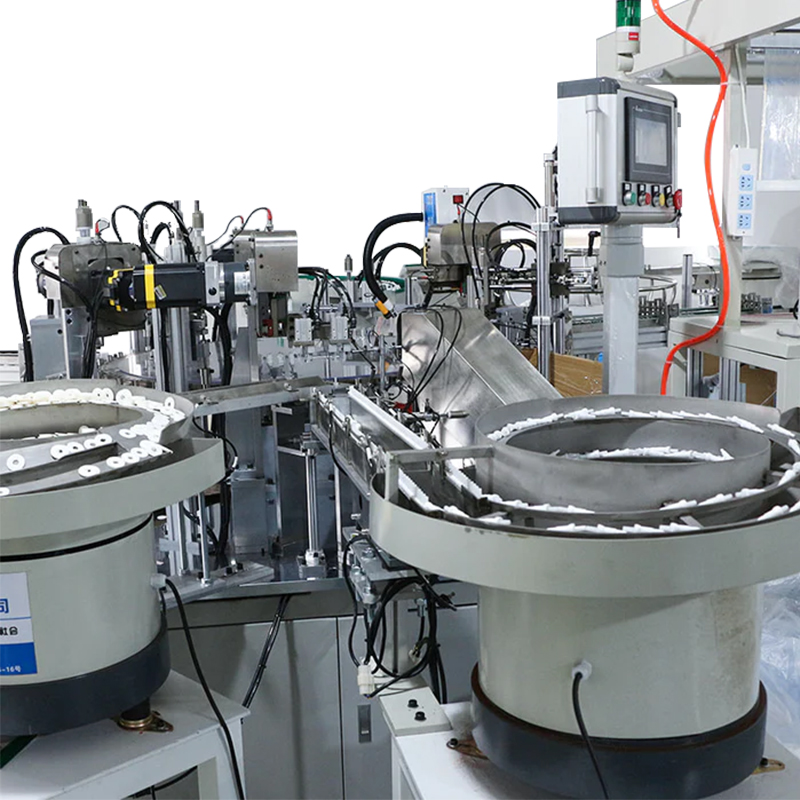
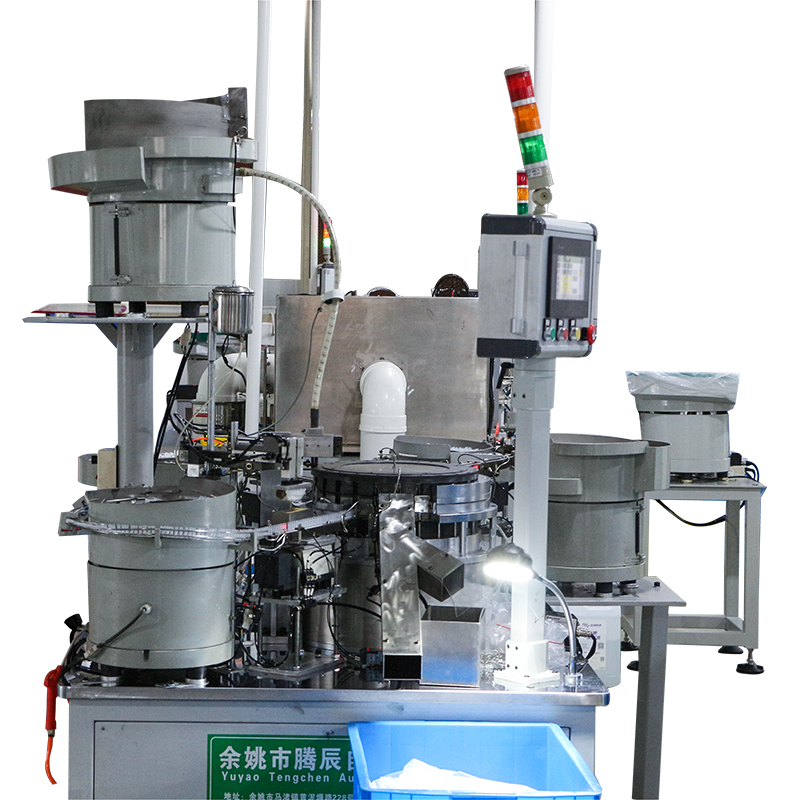
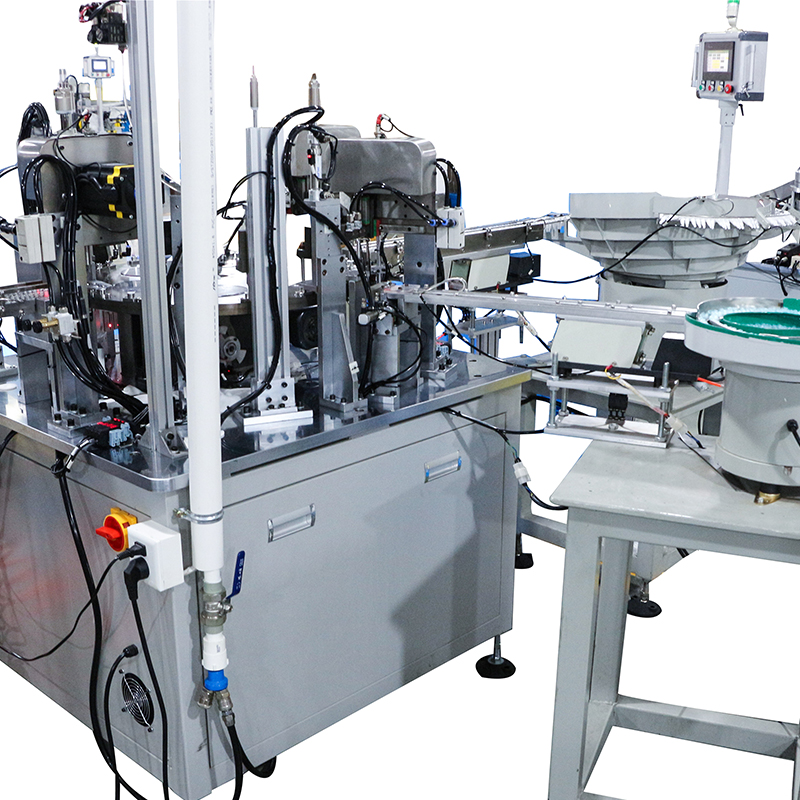
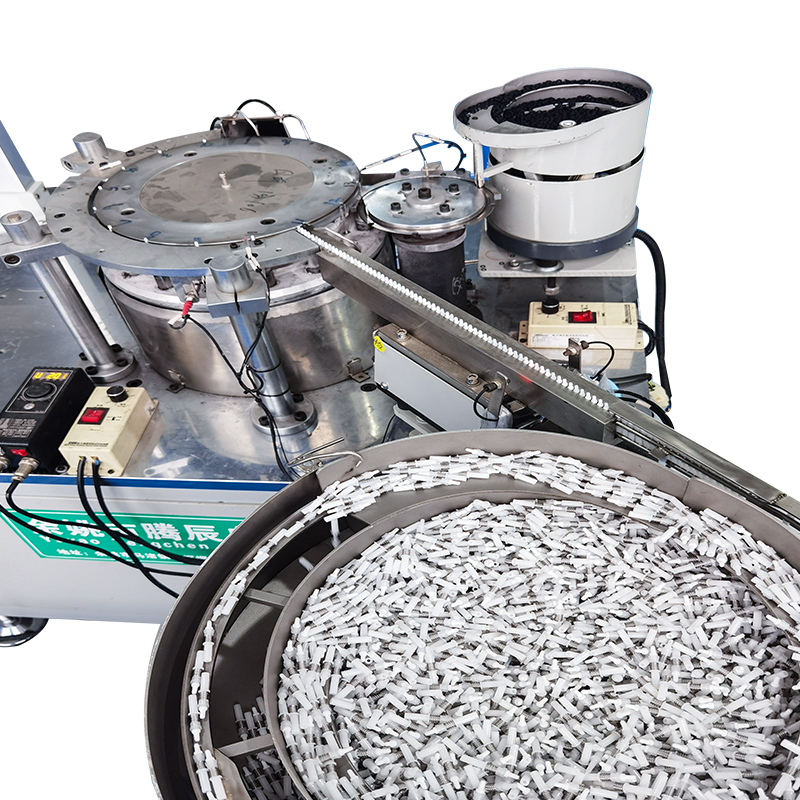
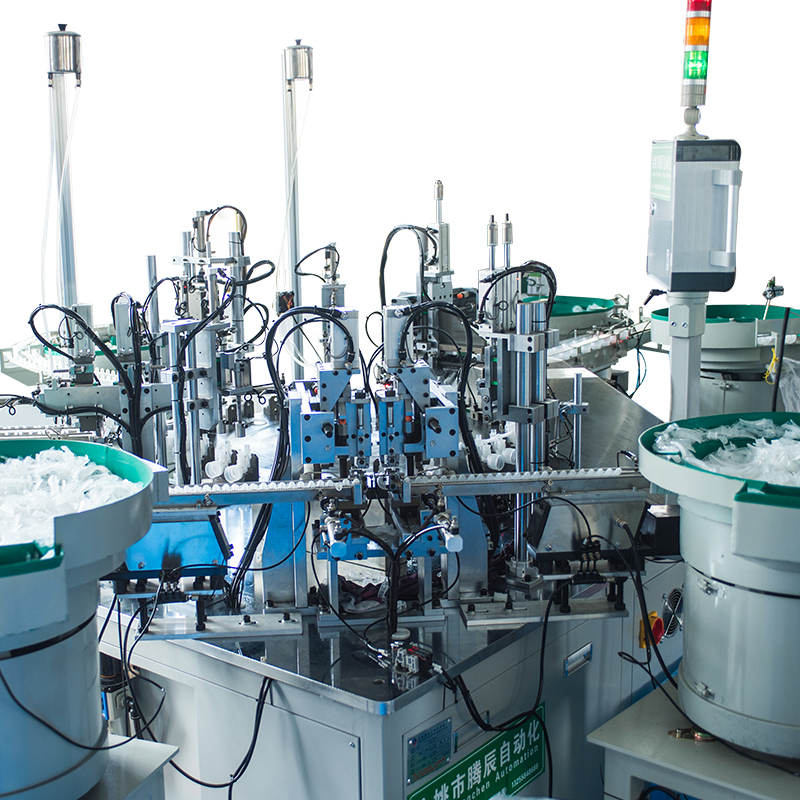
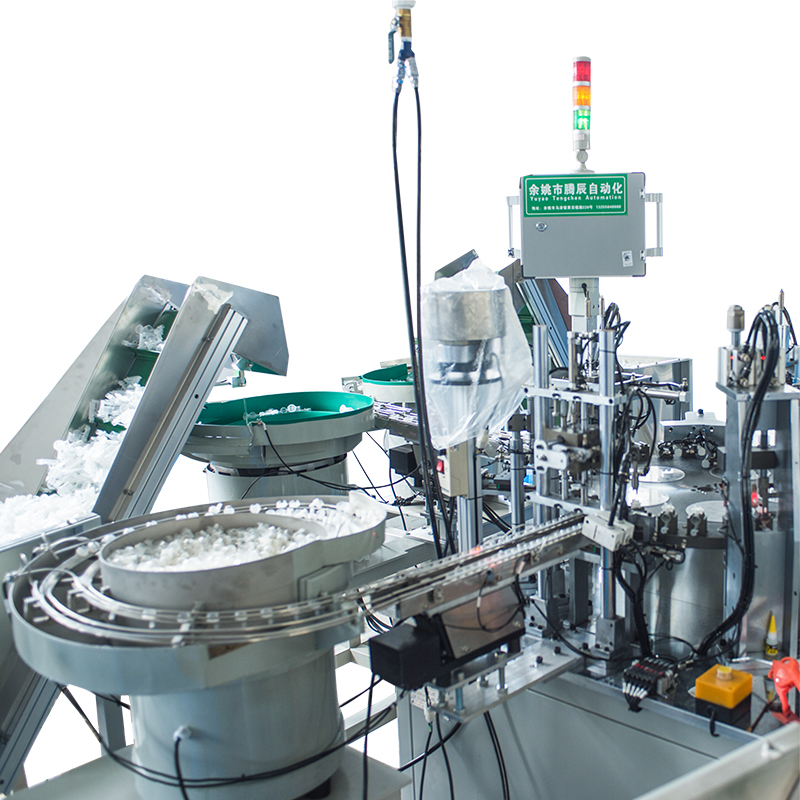
The positioning accuracy of an Automatic Assembly Machine is ensured through a combination of servo motor control, real-time sensor feedback, and closed-loop digital correction systems. In contrast to conventional mechanical assembly systems that rely on fixed mechanical tolerances and passive alignment, modern automated solutions actively adjust positioning in real time. The result is a significant improvement in precision, with typical accuracy reaching ±0.01 mm to ±0.05 mm depending on system configuration. Compared to traditional methods, an Automatic Assembly Machine provides not only higher precision but also greater repeatability and stability in continuous production environments.
Core Positioning Mechanisms in Automatic Assembly Systems
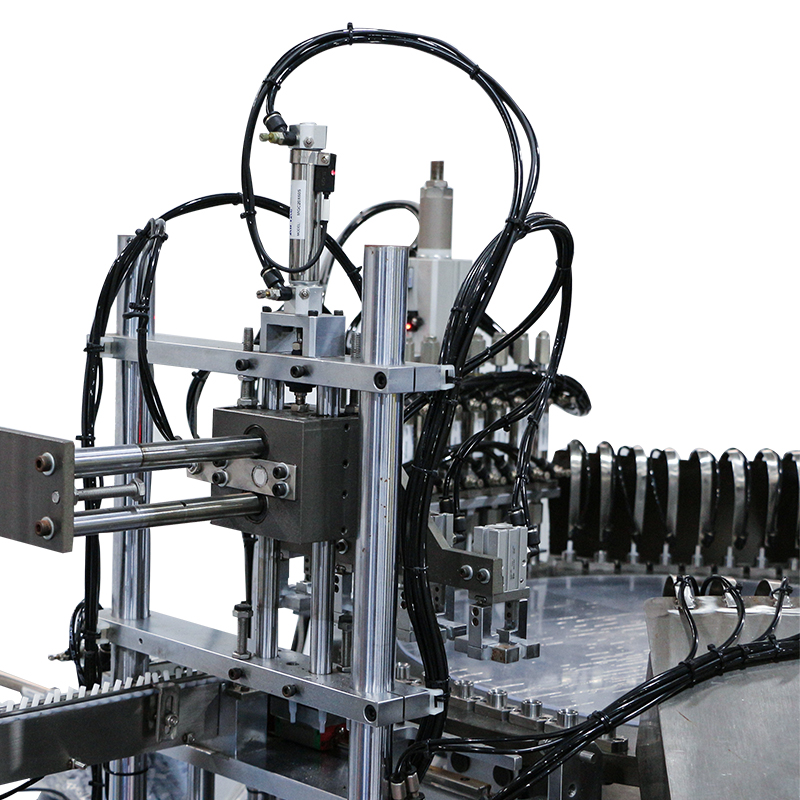
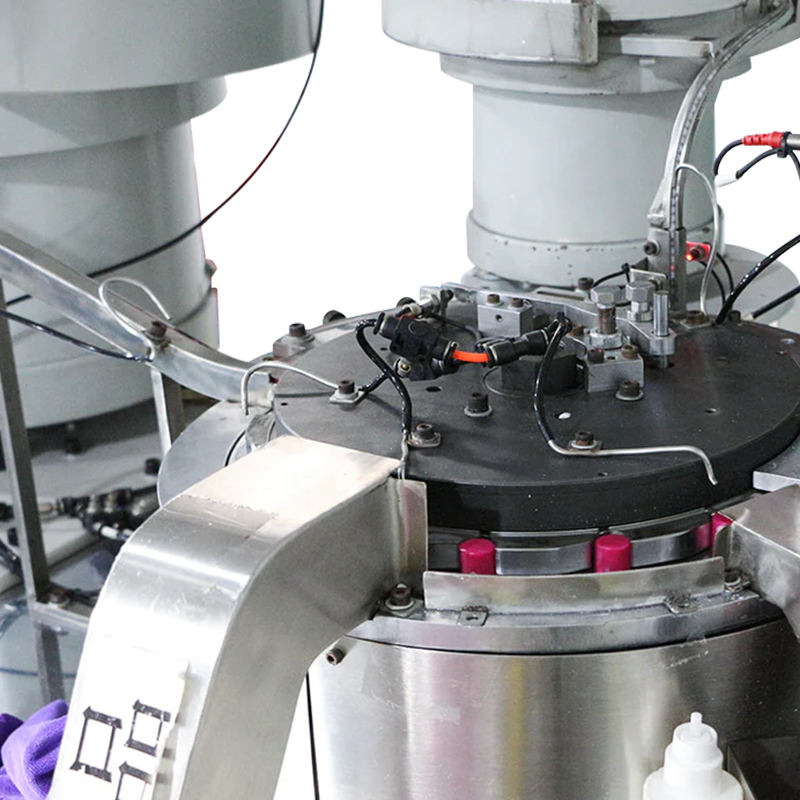
The foundation of precision in an Automatic Assembly Machine lies in its motion control architecture. Servo-driven axes replace mechanical cams and linkages, allowing real-time correction of positioning errors. These systems are widely used in an auto assembly machine because they can dynamically adjust movement based on feedback signals.
Closed-Loop Feedback Control
Closed-loop systems continuously compare target and actual positions using encoders. If deviation exceeds a threshold (often as small as 0.005 mm in high-end configurations), corrections are instantly applied. This ensures stable accuracy even under variable load conditions.
High-Resolution Sensors
Optical encoders, laser displacement sensors, and vision systems enhance positioning accuracy. In modern assembly line machines, these sensors can detect misalignment before physical contact occurs, reducing defect rates by up to 30–60%.
Comparison with Conventional Mechanical Assembly Systems
Conventional mechanical assembly systems depend heavily on rigid structures, cams, and fixed jigs. While they are durable, their accuracy is limited by mechanical wear and manufacturing tolerances. In comparison, an Automatic Assembly Machine continuously compensates for deviations.
| System Type | Positioning Accuracy | Flexibility | Maintenance Impact |
|---|---|---|---|
| Automatic Assembly Machine | ±0.01–0.05 mm | High (programmable) | Low (predictive maintenance) |
| Conventional Mechanical System | ±0.1–0.3 mm | Low (fixed design) | High (frequent wear adjustment) |
The table highlights that an Automatic Assembly Machine provides a tenfold improvement in positioning accuracy compared to conventional systems. This improvement directly impacts product consistency and defect reduction.
Role of Control Systems in Precision Enhancement
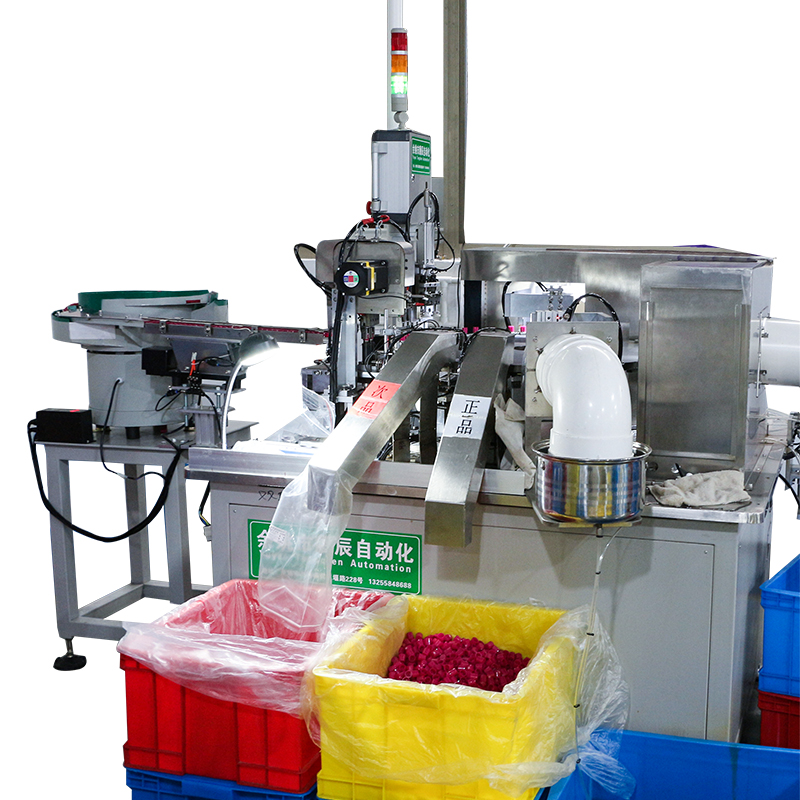
Modern control systems are essential in maintaining high accuracy in a Cap Assembly Machine and other automated configurations. These systems process motion commands in microseconds, ensuring synchronization across multiple axes.
PLC and Motion Controllers
Programmable logic controllers (PLC) coordinate operations across the system, while motion controllers handle fine positioning adjustments. This dual-layer architecture allows precision assembly tasks to maintain consistency even at high speeds exceeding 300 cycles per minute.
Real-Time Error Compensation
Error compensation algorithms correct deviations caused by vibration, thermal expansion, or mechanical load changes. This ensures that assembly accuracy remains stable throughout long production cycles.
Integration with Assembly Line Machines
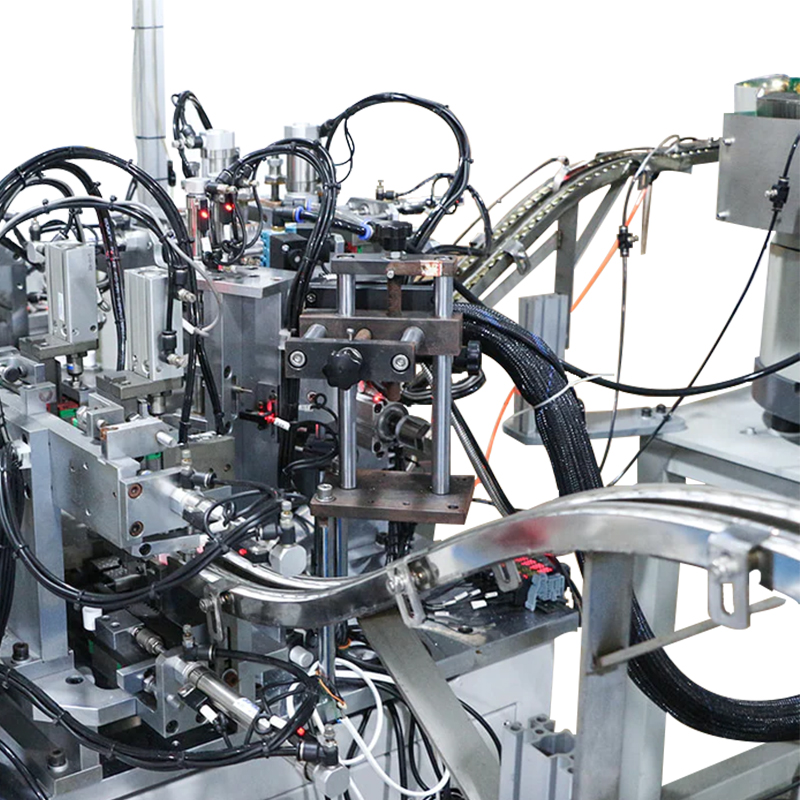
An Automatic Assembly Machine does not operate in isolation. It is typically part of a broader system of assembly line machines, where synchronization between stations is critical for maintaining overall accuracy.
System Synchronization
Each station communicates through industrial communication protocols, ensuring that parts are transferred with precise timing. Misalignment between stations is reduced to less than 0.02 mm in optimized systems.
Data-Driven Optimization
Real-time data analytics allow engineers to monitor deviation trends and adjust system parameters. This continuous optimization loop enhances long-term accuracy and reduces downtime.
Key Performance Metrics and Accuracy Evaluation
To evaluate positioning accuracy in an Automatic Assembly Machine, manufacturers rely on several standardized metrics. These metrics help quantify system performance and compare different configurations.
| Metric | Description | Typical Value |
|---|---|---|
| Repeatability | Ability to return to same position | ±0.01–0.03 mm |
| Absolute Accuracy | Deviation from target position | ±0.02–0.05 mm |
| Cycle Stability | Consistency over time | >99.5% |
These metrics demonstrate that automated systems outperform traditional methods in both consistency and long-term stability.
Optimization Strategies for Higher Accuracy
Improving positioning accuracy in an Automatic Assembly Machine requires both hardware and software optimization. Engineers focus on reducing vibration, improving calibration, and enhancing control algorithms.
- Regular calibration of sensors to maintain alignment precision.
- Use of vibration damping structures to reduce external disturbances.
- Upgrading control algorithms for faster response time in assembly line machines.
- Implementation of predictive maintenance models to avoid mechanical drift.
By applying these strategies, manufacturers can further enhance the performance of both an auto assembly machine and specialized systems like a Cap Assembly Machine, ensuring consistent high-precision output even under demanding production conditions.