


 русский
 Español
 عربى
-
Precision feeding and servo-controlled positioning: A critical aspect of ensuring alignment in multi-layer or laminated bags within a Bag Package Automatic Assembly Machine is the precision feeding system. These systems typically employ belt conveyors, servo-driven rollers, pneumatic pushers, or automated feeders that transport each bag to the assembly station with high positional accuracy. Adjustable side guides and rails hold the bag edges securely in place, preventing lateral or rotational skewing. Closed-loop servo control continuously monitors bag position and dynamically adjusts feed rates, compensating for minor inconsistencies in bag dimensions, material elasticity, or layer thickness. This ensures that the layers of laminated bags are consistently stacked without folds or misalignment, which is essential for maintaining the structural integrity and sealing quality of the final package. In high-speed production, such precise feeding reduces the risk of jams, material waste, and rework.
-
Sensor-based alignment verification and real-time feedback: Advanced Bag Package Automatic Assembly Machines integrate multiple types of sensors, including optical sensors, laser scanners, and high-resolution cameras, to monitor bag alignment before and during the sealing process. These sensors detect edges, layer boundaries, printed registration marks, or pre-folded creases to ensure that each layer of a laminated bag is positioned correctly. Real-time feedback from these sensors allows the control system to automatically make fine adjustments, shifting layers slightly or correcting misfeeds. In addition, the feedback system can trigger alarms or pause production if alignment deviations exceed predetermined tolerances. This ensures that every bag entering the sealing station meets strict alignment standards, preventing defects such as incomplete seals, wrinkles, or trapped air pockets, which could compromise product integrity and customer satisfaction.
-
Controlled tension and layer management: Laminated bags consist of multiple layers of materials with varying thicknesses, flexibility, and friction properties. A Bag Package Automatic Assembly Machine employs tension-control systems to maintain uniform stress across all layers during transport and assembly. These systems may include spring-loaded rollers, braking mechanisms, or servo-controlled feed rollers that adjust tension dynamically. By regulating tension, the machine prevents material stretching, slipping, or wrinkling, which could misalign layers and negatively impact seal quality. In some machines, differential tension control is implemented to compensate for differences in stiffness between inner and outer layers, ensuring that each layer remains properly positioned for consistent sealing. This precise layer management is particularly important for laminated bags that carry liquids, powders, or fragile products, where misalignment could lead to leakage or reduced barrier performance.
-
High-precision sealing mechanisms: Once proper alignment is achieved, the Bag Package Automatic Assembly Machine executes sealing using highly controlled mechanisms designed to handle multi-layer or laminated materials. Heat-sealing systems employ temperature-controlled jaws, with pressure and dwell time precisely adjusted to ensure even fusion of layers without burning or warping the material. Ultrasonic or impulse sealing systems provide energy pulses that bond layers without introducing excessive heat, which is ideal for heat-sensitive films. Linear actuators or servo motors guide the sealing jaws with micron-level precision to match the alignment set by the feeding and sensor systems. This combination of controlled temperature, pressure, timing, and positioning guarantees that each multi-layer or laminated bag is sealed across its entire intended area, maintaining structural integrity and preventing leaks or product contamination.
-
Real-time quality monitoring and error detection: To ensure consistent production quality, Bag Package Automatic Assembly Machines incorporate monitoring systems that verify seal integrity immediately after each bag is processed. Cameras, thermal sensors, or pressure sensors detect defects such as incomplete sealing, wrinkles, misalignment, or layer separation. Detected defects trigger automatic rejection mechanisms or pause the production line for correction. In addition, the system can feed corrective instructions back to the alignment and tension controls, allowing the machine to self-adjust and prevent recurring errors. This continuous quality assurance reduces waste, enhances efficiency, and ensures that every bag meets industry standards and customer expectations.
Related Products
-
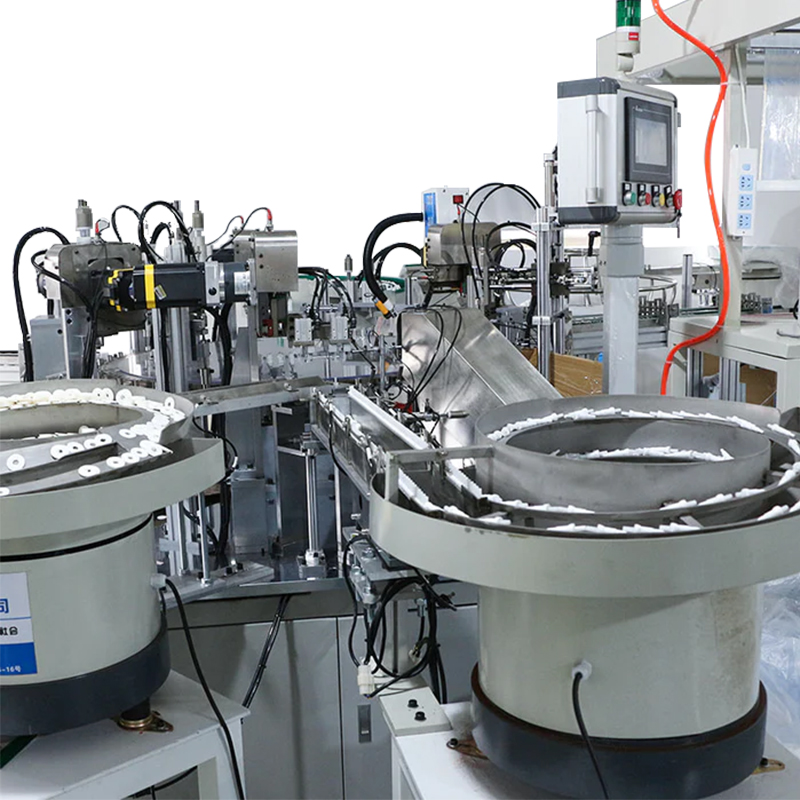
Trigger pump assembly machine TY-C1 7-piece assembly
-
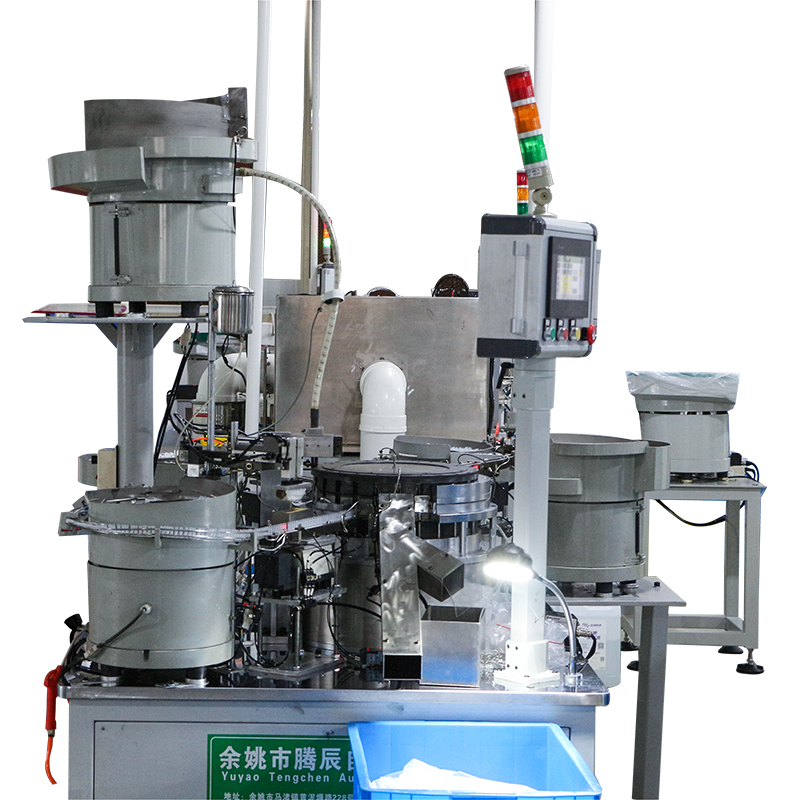
Trigger pump assembly machine TY-C2 pump core 4 pieces
-
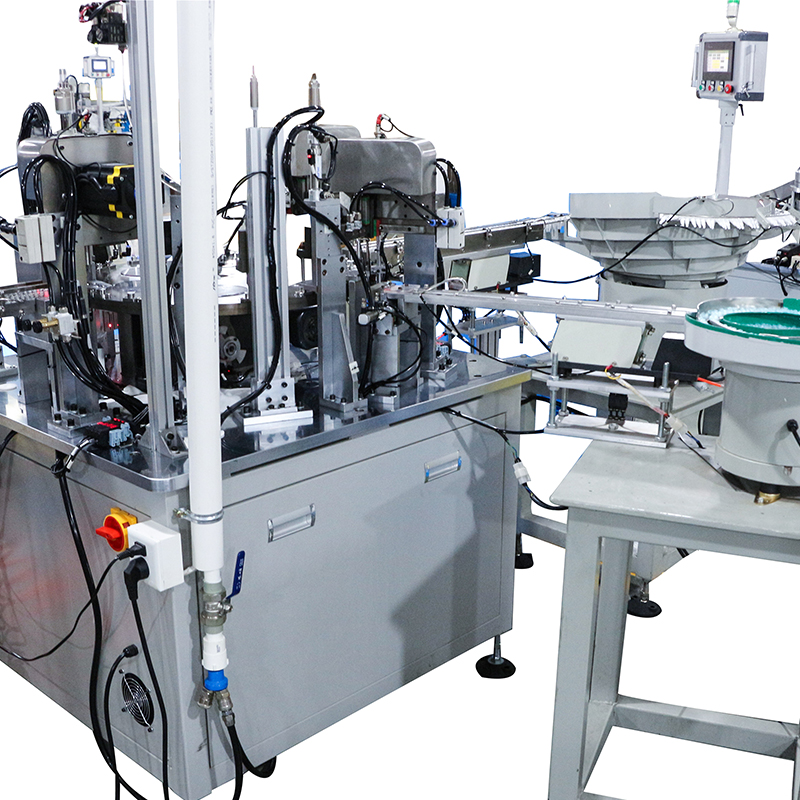
Trigger pump assembly machine TY-C3 pump core 5 pieces
-
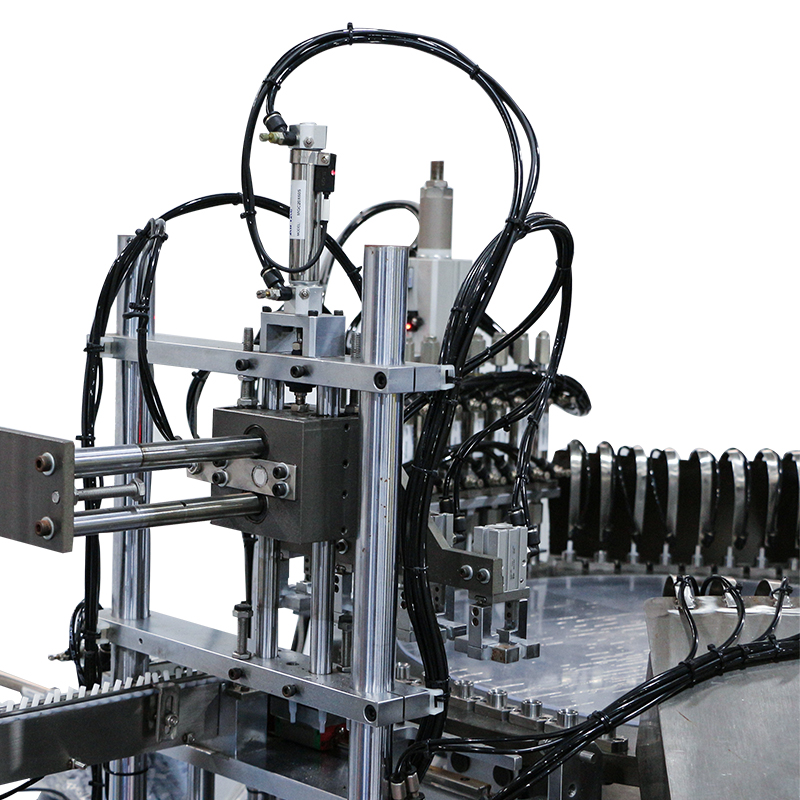
Trigger pump assembly machine TY-C4 pump core testing
-
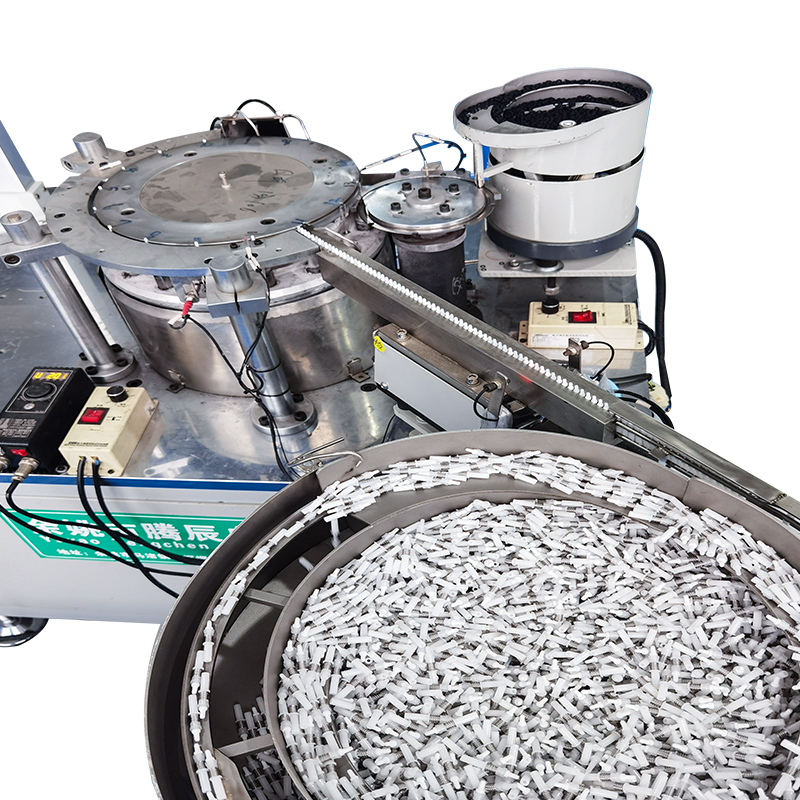
Trigger pump assembly machine TY-C5 piston collar assembly machine
-
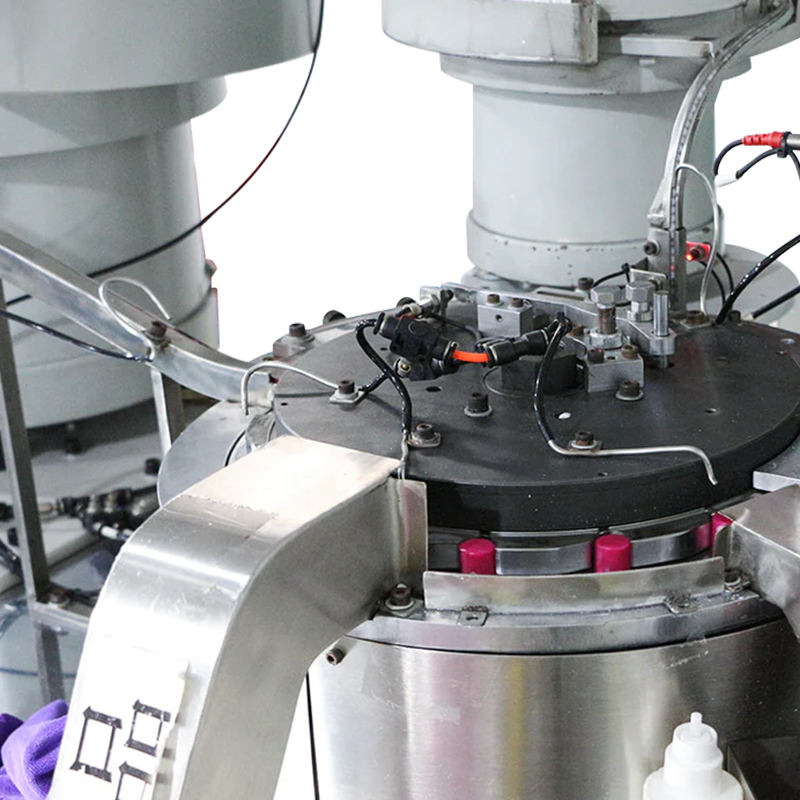
Trigger pump assembly machine TY-C6 automatic nozzle machine
-
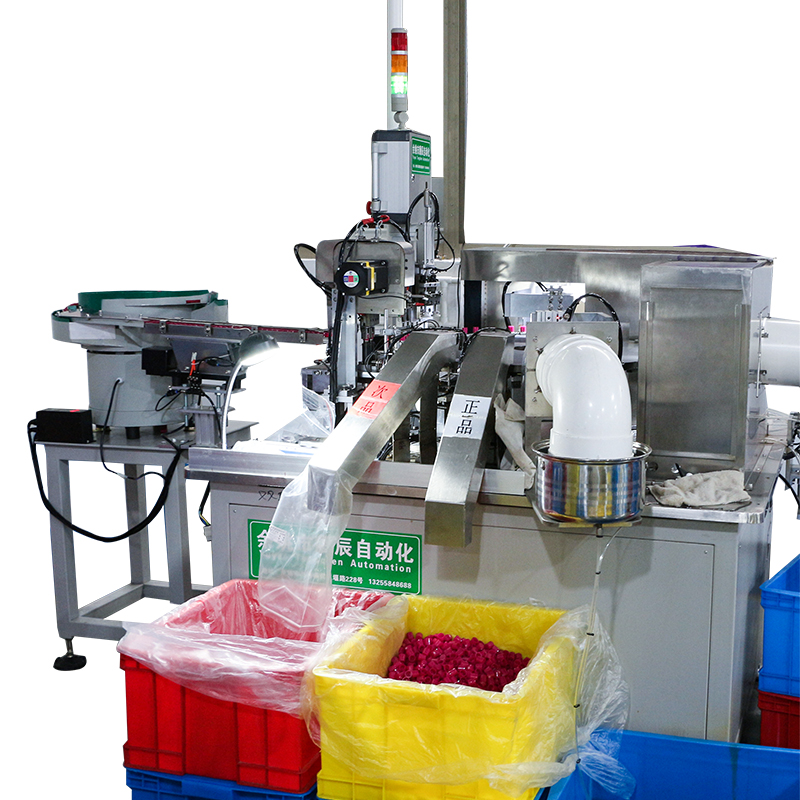
Trigger pump assembly machine TY-C7 duplex fog detection
-
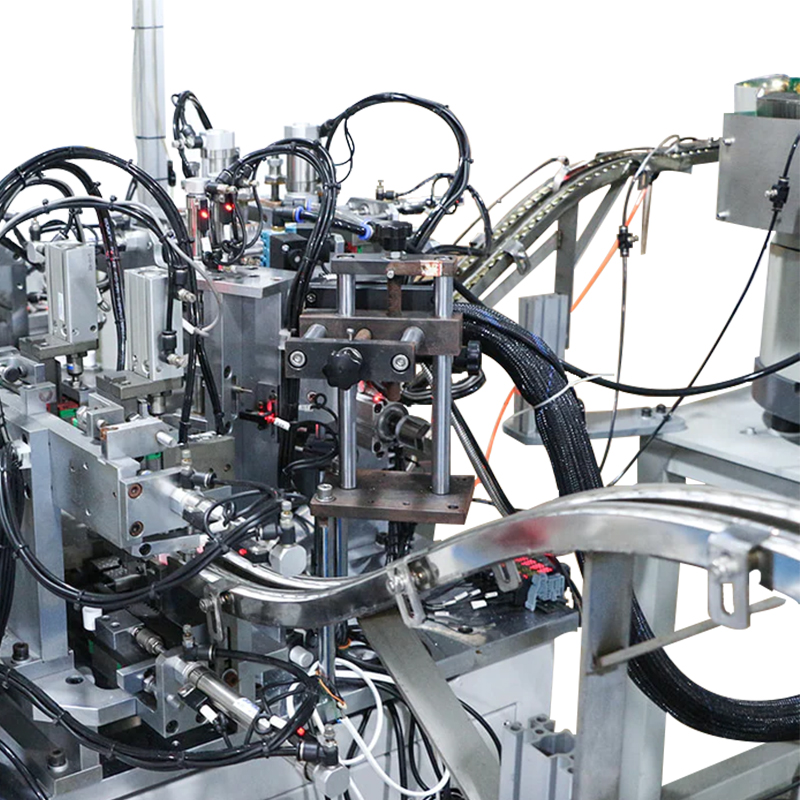
Trigger pump assembly machine TY-C8 aluminum oxide head cap punching machine
-
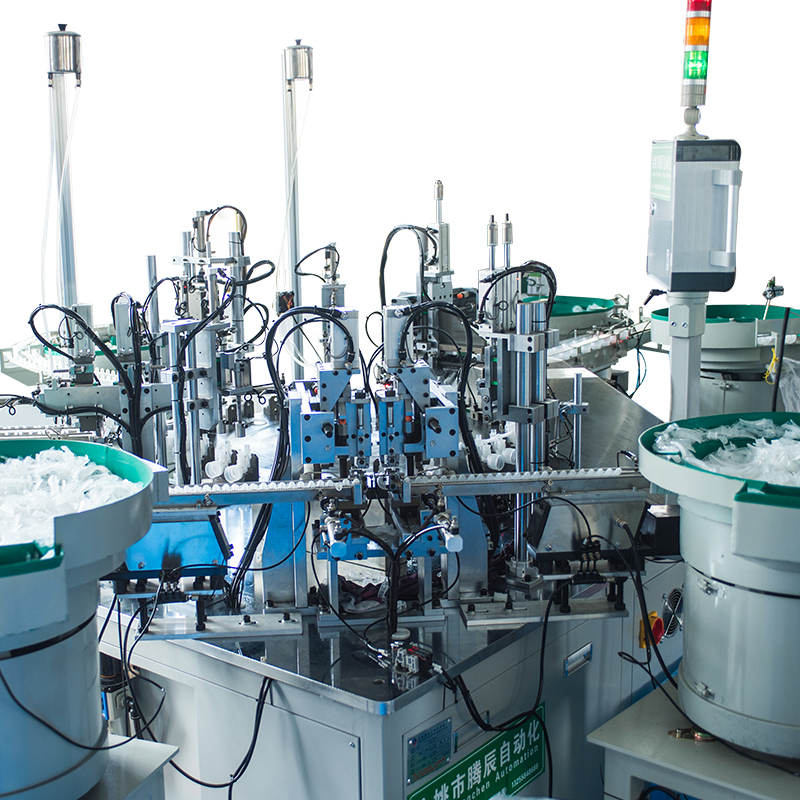
Spray pump assembly machin TY-B1 all-plastic rosette gasket parts assembly (gun body, rosette, spring, piston, wrench)
-
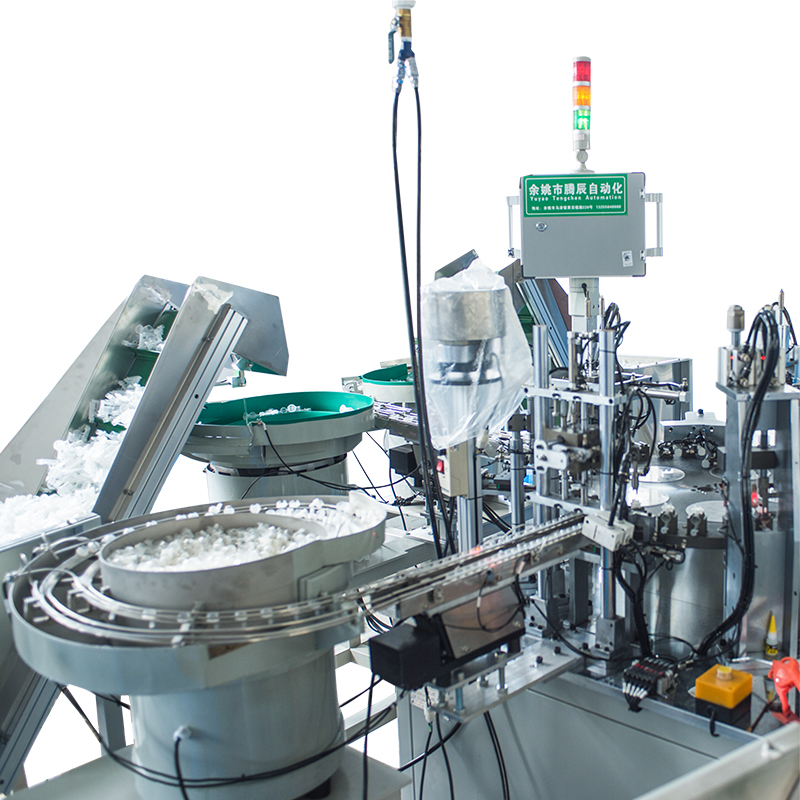
Spray pump assembly machin TY-B2 all-plastic gun wrench 4 pieces (gun body, steel ball, spacer, bullet holder)
LEAVE YOUR MESSAGE

Reliable and stable products and efficient and high-quality services meet the needs of all customers.
-

VISIT US
Building 11, No. 26, Beisheng Road, Mazhu Town, Yuyao City, Ningbo City
-

CALL US
+86 13255848688
-

SEND E-MAIL
Copyright 2023 ©Ningbo Tengyu Automation Technology Co., Ltd.All Rights Reserved.
Privacy


