


 русский
 Español
 عربى
-
Mechanical Part Handling and Positioning: Integrating a Pneumatic Vacuum Testing Machine into an automated production line begins with designing a precise and reliable mechanical interface for part handling. Components from upstream equipment, such as conveyors, robotic arms, or automated feeders, must be transferred into the vacuum chamber efficiently while ensuring accurate alignment. Fixtures, custom grippers, or clamping mechanisms are often employed to secure parts in a repeatable position, ensuring a proper seal within the vacuum chamber for accurate pressure testing. Precise mechanical positioning minimizes the risk of leaks or false readings, which is critical for repeatability and reliability in high-volume testing environments. The system must also accommodate parts of varying shapes and sizes without slowing down production, ensuring seamless integration with upstream and downstream processes while maintaining test accuracy.
-
Electrical and Communication Integration: The Pneumatic Vacuum Testing Machine must be integrated with the production line’s central control system using industrial communication protocols such as Ethernet/IP, Modbus, Profinet, or OPC-UA. This integration allows the machine to receive commands from programmable logic controllers (PLCs) and transmit real-time test data back to the central system. Synchronization with the production line ensures that vacuum tests are performed immediately after part placement and that results are available in real time for sorting, rejection, or acceptance decisions. Integration also enables coordinated operation with upstream conveyors and robotic arms, ensuring that vacuum pump activation, valve actuation, and sensor measurement are precisely timed to avoid bottlenecks. Real-time feedback enhances monitoring, reduces downtime, and ensures that testing remains consistent across thousands of components per day.
-
Software Automation and Data Management: High-volume testing relies on software-driven automation to maintain accuracy and repeatability. Modern Pneumatic Vacuum Testing Machines feature programmable test profiles, cycle timing, and automated data logging, allowing each component to be uniquely identified via barcodes, RFID tags, or serial numbers. Test results are automatically recorded in a manufacturing execution system (MES) or quality control database, enabling traceability, statistical process control, and trend analysis. Operators can monitor performance remotely, detect deviations in real time, and implement corrective actions without halting production. Software automation ensures that each test cycle adheres to predefined parameters, maintains consistent vacuum levels, and provides comprehensive documentation for quality assurance, regulatory compliance, and process optimization.
-
Cycle Optimization and Throughput Management: To integrate effectively into high-volume production lines, the Pneumatic Vacuum Testing Machine’s cycle time must be synchronized with upstream and downstream operations. Vacuum ramp-up, hold, and release sequences are optimized to minimize idle time while ensuring test accuracy. Multiple machines can be deployed in parallel or in a staggered sequence to match production throughput, preventing the testing stage from becoming a bottleneck. Advanced control logic allows dynamic allocation of parts to available machines based on real-time production load, ensuring continuous high-speed operation. Proper cycle optimization balances speed with precision, enabling efficient high-volume testing without compromising the integrity of vacuum measurements.
-
Safety and Compliance Considerations: Safety is a critical aspect of integrating a Pneumatic Vacuum Testing Machine into an automated production line. Interlocks, emergency stop mechanisms, and protective enclosures are required to protect personnel from exposure to vacuum chambers, moving robotic arms, or pressurized systems. The integrated system must comply with industrial safety standards, such as ISO 12100 or OSHA regulations, without impacting operational efficiency. Safety monitoring is often combined with automated feedback systems to prevent over-pressurization, unintended vacuum release, or mechanical collisions. Routine maintenance schedules, including sensor calibration, valve inspection, and vacuum pump servicing, are incorporated into the automation workflow to ensure that high-volume production can continue safely and reliably over extended periods.
Related Products
-
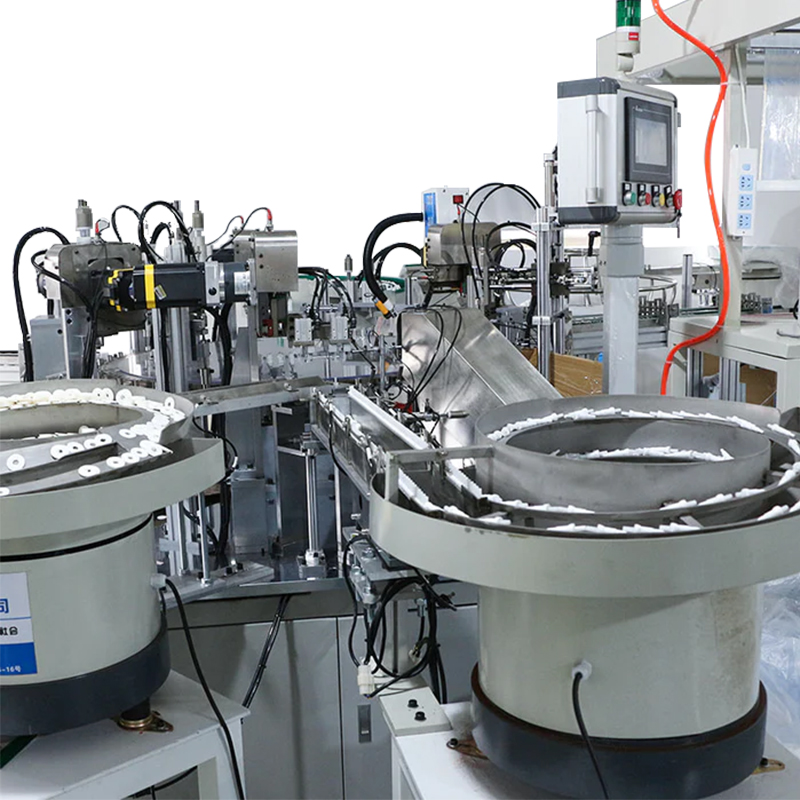
Trigger pump assembly machine TY-C1 7-piece assembly
-
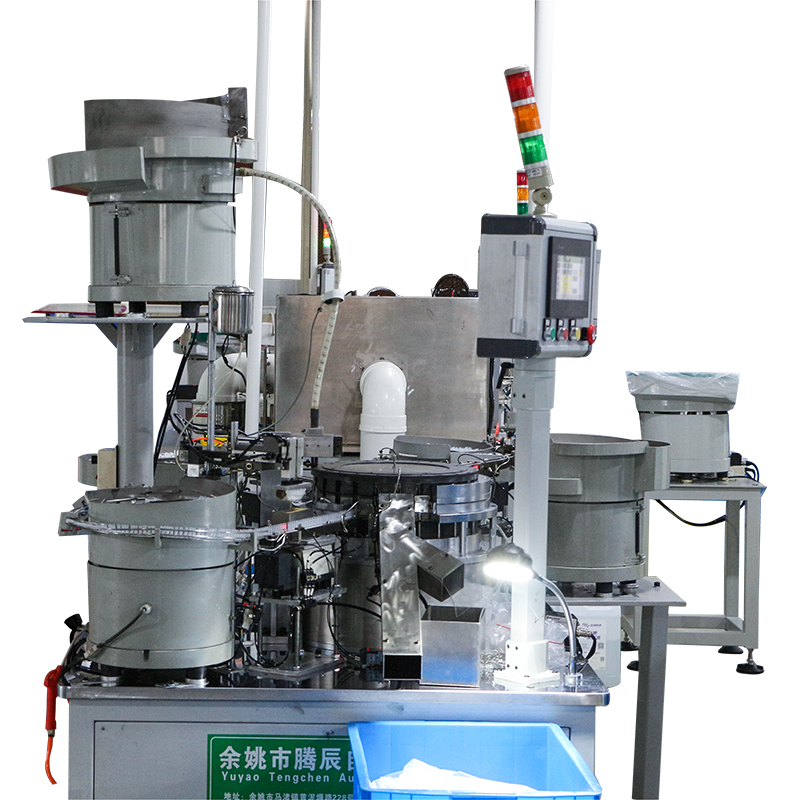
Trigger pump assembly machine TY-C2 pump core 4 pieces
-
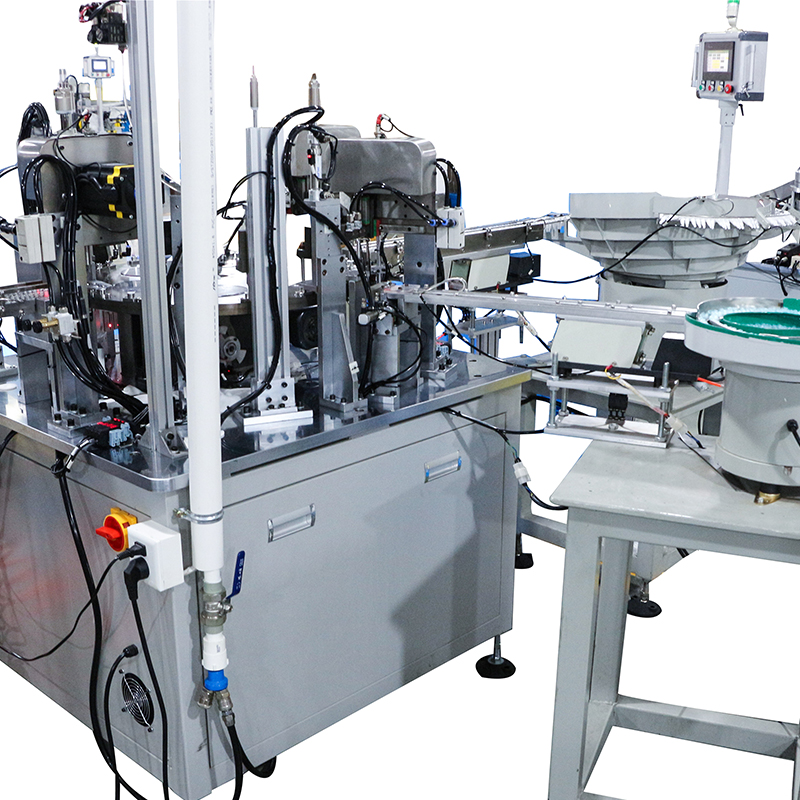
Trigger pump assembly machine TY-C3 pump core 5 pieces
-
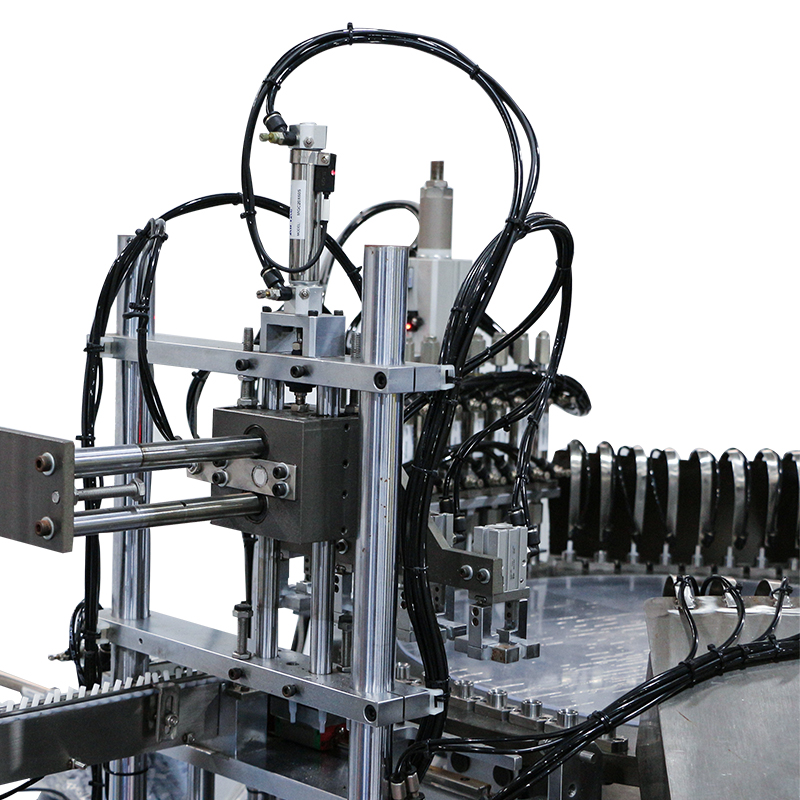
Trigger pump assembly machine TY-C4 pump core testing
-
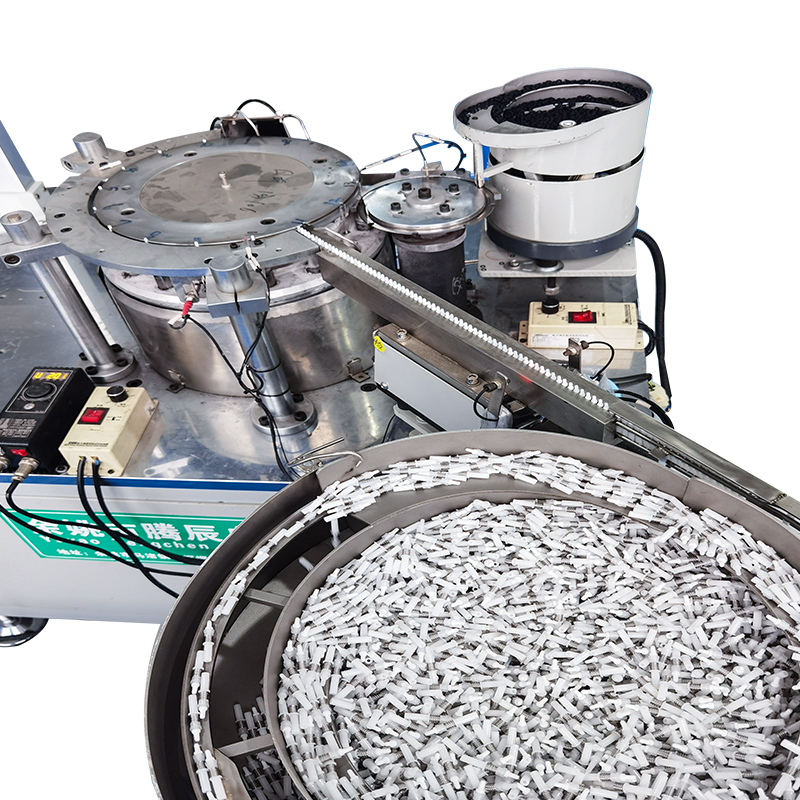
Trigger pump assembly machine TY-C5 piston collar assembly machine
-
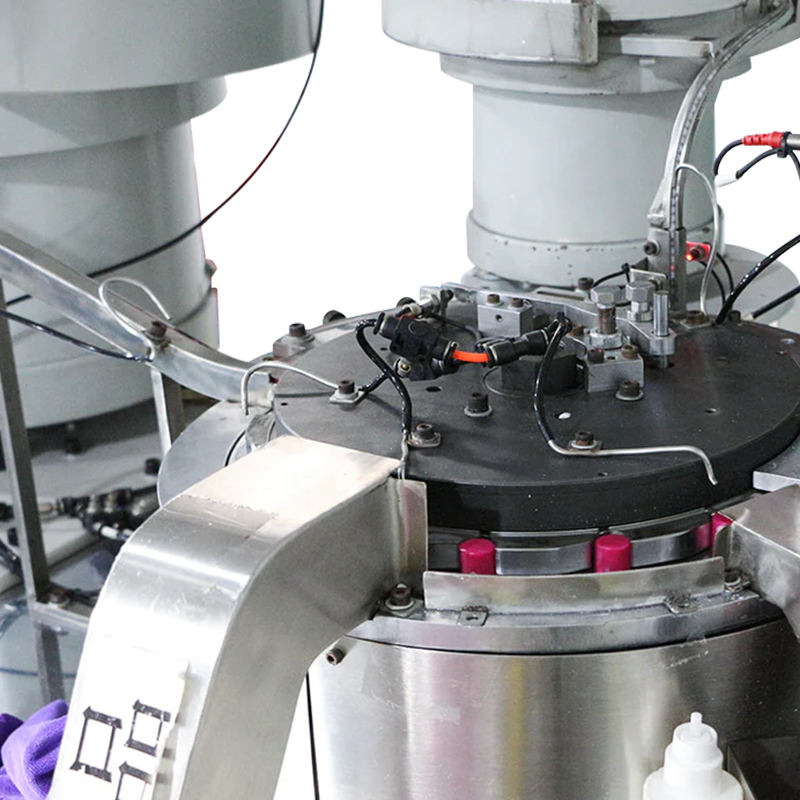
Trigger pump assembly machine TY-C6 automatic nozzle machine
-
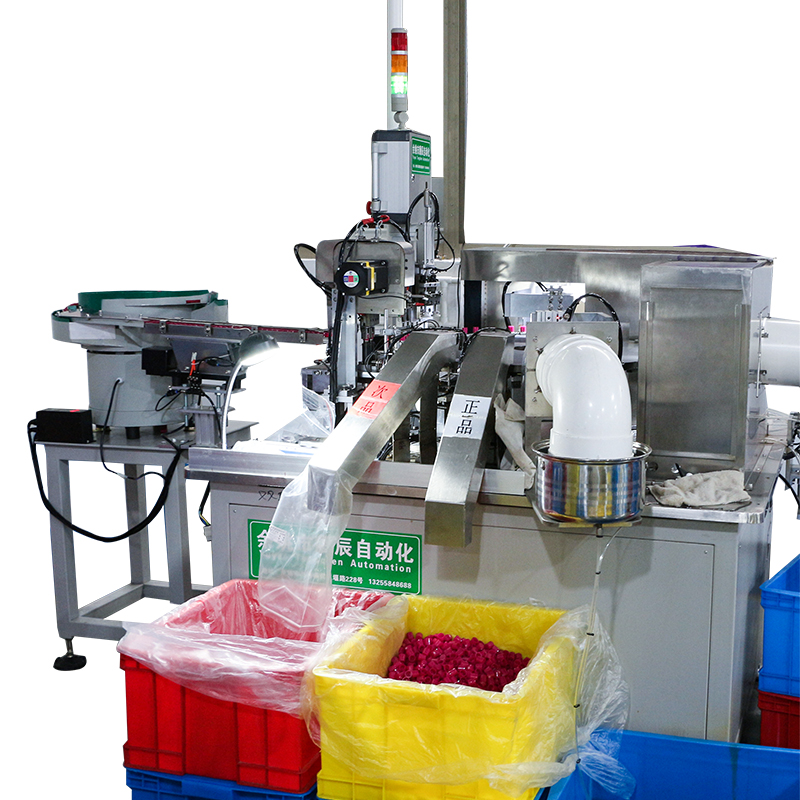
Trigger pump assembly machine TY-C7 duplex fog detection
-
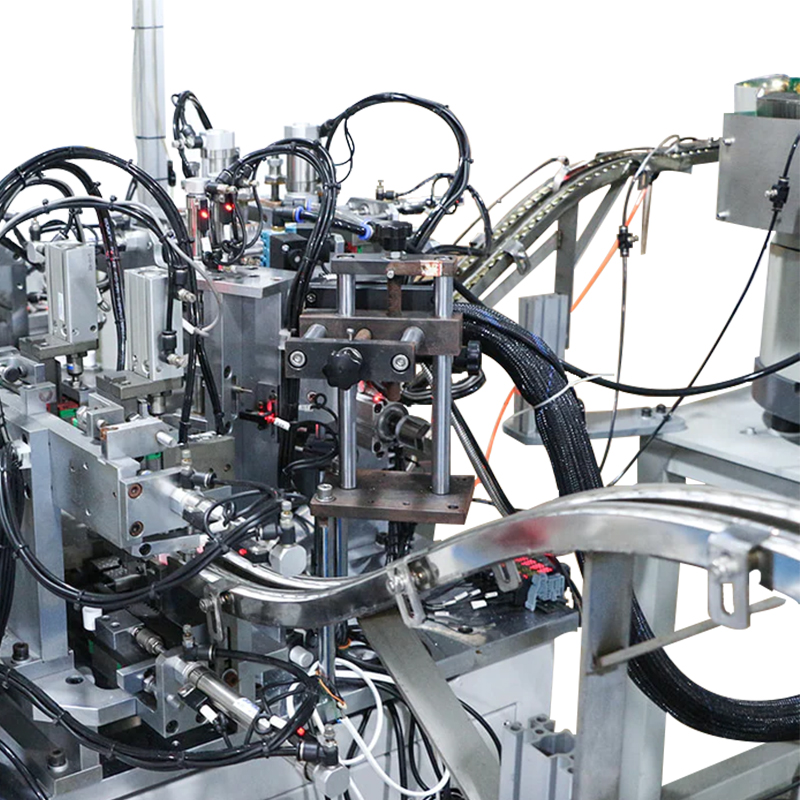
Trigger pump assembly machine TY-C8 aluminum oxide head cap punching machine
-
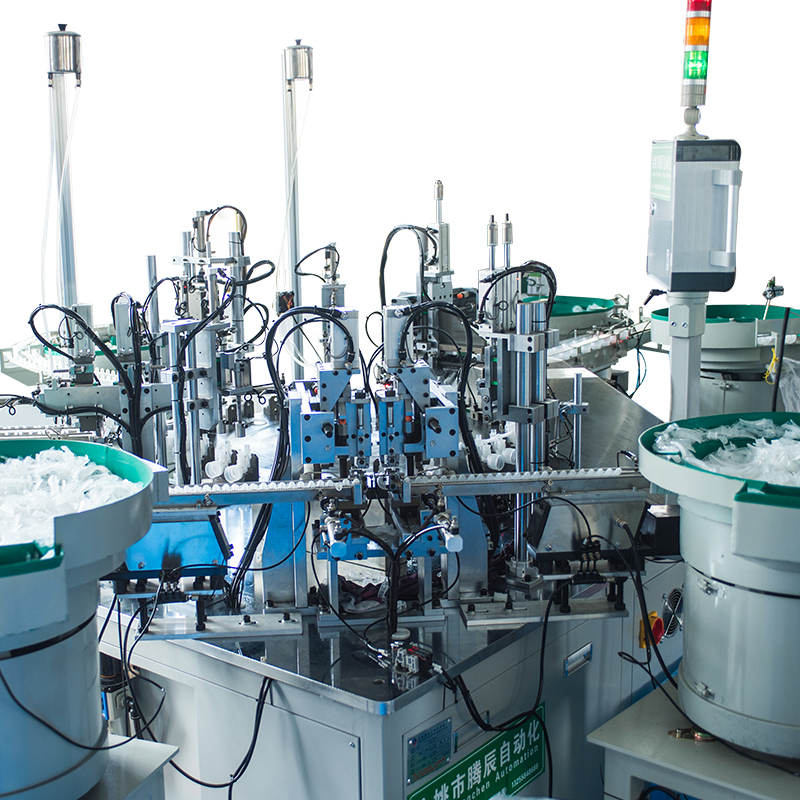
Spray pump assembly machin TY-B1 all-plastic rosette gasket parts assembly (gun body, rosette, spring, piston, wrench)
-
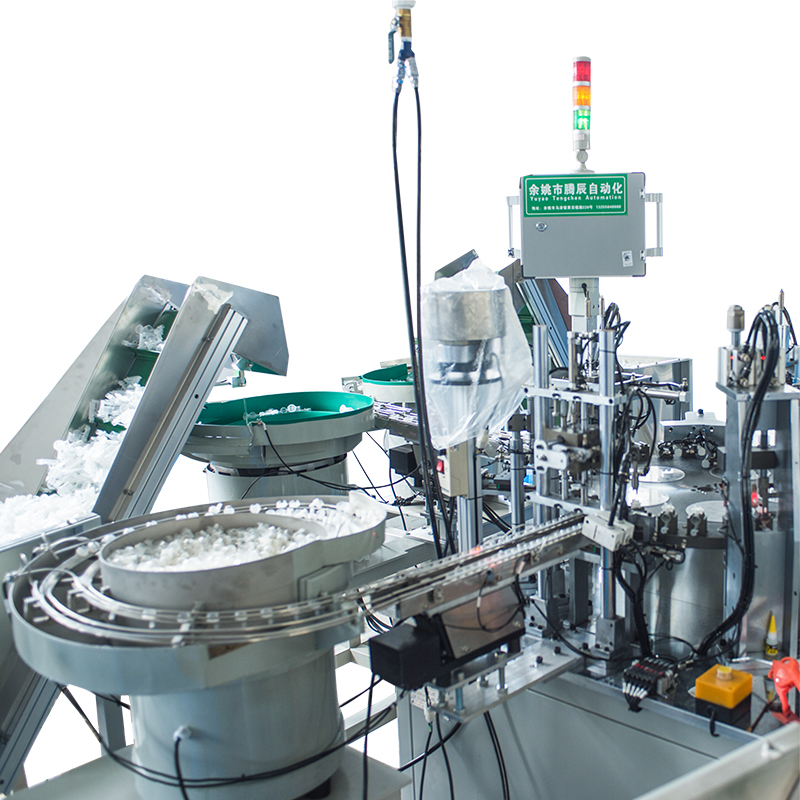
Spray pump assembly machin TY-B2 all-plastic gun wrench 4 pieces (gun body, steel ball, spacer, bullet holder)
LEAVE YOUR MESSAGE

Reliable and stable products and efficient and high-quality services meet the needs of all customers.
-

VISIT US
Building 11, No. 26, Beisheng Road, Mazhu Town, Yuyao City, Ningbo City
-

CALL US
+86 13255848688
-

SEND E-MAIL
Copyright 2023 ©Ningbo Tengyu Automation Technology Co., Ltd.All Rights Reserved.
Privacy


